
Becoming a citizen of the United Kingdom is a significant milestone for many individuals who have made the UK their long-term home. The process, known as naturalisation, involves meeting specific legal criteria, demonstrating integration into British society, and passing mandatory assessments. While the path may seem complex at first, it becomes manageable when broken down into clear, actionable steps. This guide outlines everything first-time applicants need to know—from eligibility checks to post-submission expectations—ensuring you approach your application with confidence and precision.
Step 1: Confirm Your Eligibility
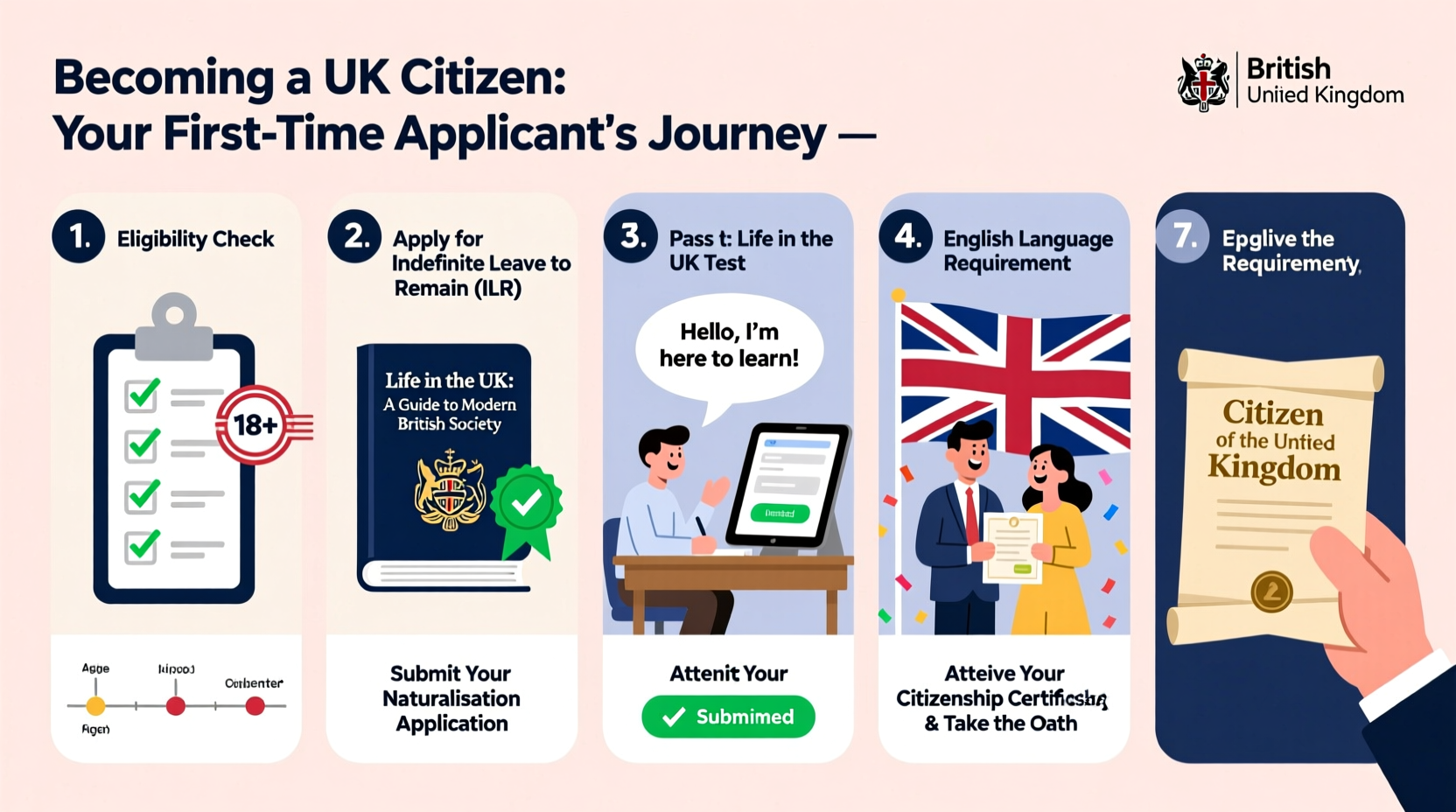
Before investing time and resources into an application, it’s essential to confirm that you meet all statutory requirements for UK naturalisation. The Home Office sets strict conditions based on residency, character, language proficiency, and knowledge of life in the UK.
- You must be at least 18 years old.
- You must have lived in the UK for at least five years (or three years if married to a British citizen).
- You must have held Indefinite Leave to Remain (ILR) or Permanent Residence for at least 12 months before applying (unless exempt).
- You should not have exceeded 450 days of absence from the UK during the qualifying period.
- No single trip outside the UK should exceed 90 days in the 12 months immediately before applying.
- You must demonstrate sufficient knowledge of the English language (at B1 level or higher).
- You must pass the “Life in the UK” test.
- You must intend to continue living in the UK or work overseas for the UK government or a British corporation.
Step 2: Prepare Required Documents
Gathering accurate and complete documentation is critical. Missing or incorrect paperwork is one of the most common reasons applications are delayed or refused.
Essential documents typically include:
- Passport(s) showing all periods of travel in and out of the UK
- Biometric Residence Permit (BRP), if applicable
- Proof of Indefinite Leave to Remain or Permanent Residence
- Marriage certificate (if applying based on marriage to a British citizen)
- Birth certificates for any children included in the application
- Evidence of English language proficiency (certificate from an approved provider)
- Life in the UK test pass notification
- Tax returns or employment records (to support continuous residence claims)
- Rent agreements, utility bills, or bank statements showing UK address history
“Document consistency matters. Ensure names, dates, and spellings match exactly across all submitted records.” — Sarah Thompson, Immigration Caseworker, London
Step 3: Pass the Life in the UK Test
The Life in the UK test assesses your understanding of British history, culture, values, and civic responsibilities. It consists of 24 multiple-choice questions drawn from the official handbook *Life in the United Kingdom: A Guide for New Residents*.
To prepare effectively:
- Study the latest edition of the official handbook thoroughly.
- Take practice tests online—many free resources simulate the real exam format.
- Focus on key topics: historical milestones (e.g., Magna Carta, WWII), devolution, legal system, and public services.
- Book your test through the official government website; the fee is £50.
| Test Detail | Information |
|---|---|
| Number of Questions | 24 |
| Pass Mark | 75% (18 correct answers) |
| Time Allowed | 45 minutes |
| Test Centre Requirement | Biometric ID (passport or BRP) required |
| Result Issued | Immediately after completion |
Step 4: Complete the Application Form (Form AN)
The application for naturalisation is completed online using Form AN via the UK Government’s official website. Paper forms are no longer accepted unless under exceptional circumstances.
Key sections of the form include:
- Personal details (name, date of birth, nationality)
- UK immigration history (entry dates, visa types, ILR status)
- Residence history over the past 5–10 years
- Employment and financial information
- Declaration of good character
- Upload of supporting documents
After submitting the form, you’ll pay the application fee—currently £1,580 (as of 2024). This includes the cost of attending a citizenship ceremony.
Checklist: Before Submitting Your Application
- ✅ Double-check all dates and spellings
- ✅ Confirm you’ve held ILR for at least 12 months
- ✅ Attach scanned copies of all required documents
- ✅ Pay the correct fee via secure payment portal
- ✅ Schedule biometric appointment (fingerprints and photo)
Step 5: Attend Biometrics and Await Decision
After submission, you’ll receive instructions to book a biometric appointment at a UK Visa and Citizenship Application Service (UKVCAS) centre. During this visit, officials will collect your fingerprints and photograph, verify original documents, and return them to you.
The standard processing time for naturalisation applications is approximately 6 months, though some cases take longer due to background checks or additional inquiries.
If your application is successful, you’ll receive a letter inviting you to attend a citizenship ceremony within 3 months. These ceremonies are hosted by local councils and include taking the Oath of Allegiance and receiving your certificate of naturalisation.
Mini Case Study: Maria’s Journey to Citizenship
Maria, originally from Portugal, moved to Manchester in 2016 on a Tier 2 work visa. Over the next six years, she advanced her career, learned English fluently, and volunteered regularly with a community charity. By 2021, she obtained ILR and began preparing for citizenship.
She studied the Life in the UK test over eight weeks using free online quizzes and passed on her first attempt. Her application was meticulously prepared—she cross-checked every date and used certified translations for non-English documents. Within five months, her application was approved. At her ceremony, she described the moment as “the culmination of years of effort and belonging.”
Frequently Asked Questions
Can I apply for UK citizenship without a job?
Yes. Employment is not a requirement for naturalisation. What matters is lawful residence, good character, and intent to remain in the UK.
What happens if my application is refused?
You can reapply, but only after addressing the reason for refusal—common issues include excessive absences, document errors, or failing to prove English proficiency. There is no automatic right of appeal.
Do children need to attend the citizenship ceremony?
No. Children under 18 do not attend ceremonies, even if included in a parent’s application. They will receive a certificate by mail.
Final Steps and Moving Forward
Once you’ve attended your citizenship ceremony and received your certificate, you can apply for a British passport. This opens doors to visa-free travel, full political rights—including voting—and greater peace of mind about your status.
Remember, citizenship is more than a legal change—it reflects your integration into the social fabric of the UK. Take pride in what you’ve achieved through patience, preparation, and perseverance.




 浙公网安备
33010002000092号
浙公网安备
33010002000092号 浙B2-20120091-4
Comments
No comments yet. Why don't you start the discussion?