
Reviewing a will can feel overwhelming, especially when legal terminology, emotional stakes, and family dynamics are involved. Yet, whether you're the executor, a beneficiary, or someone preparing their own estate plan, understanding a will is essential for ensuring final wishes are honored and disputes avoided. This guide breaks down the process into clear, manageable steps so you can approach any will with clarity and confidence.
Why Reviewing a Will Matters
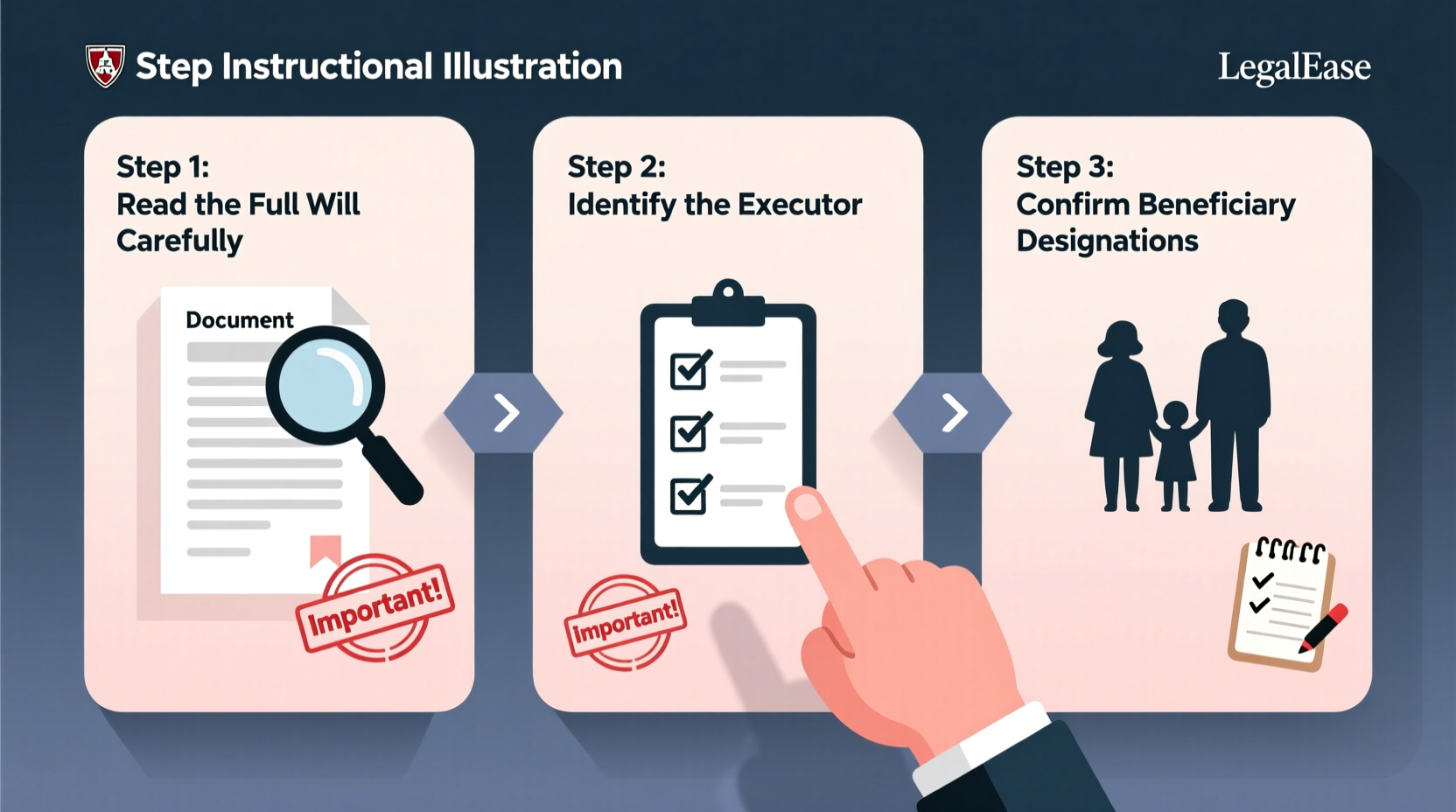
A will is more than a document—it's a formal expression of how a person wants their assets distributed, who they trust to manage their affairs, and how they wish to be remembered. Errors, ambiguities, or outdated provisions can lead to delays, financial loss, or even court battles. A thorough review protects everyone involved and ensures the document reflects current intentions and legal standards.
“Many estate disputes stem not from malice, but from unclear language in a will. Clarity today prevents conflict tomorrow.” — Laura Simmons, Estate Planning Attorney with 20+ years of experience
Step-by-Step Guide to Reviewing a Will
Follow this structured process to examine a will thoroughly and professionally.
- Verify the Document’s Validity
Confirm that the will is legally valid. Most jurisdictions require:- The testator (person making the will) was at least 18 and of sound mind.
- The document is in writing and signed by the testator.
- At least two disinterested witnesses observed the signing.
- In some cases, notarization (a “self-proving” affidavit) is required to simplify probate.
- Identify the Testator and Date
Check the full legal name of the testator and the date the will was signed. If multiple versions exist, the most recent one typically governs—unless it was revoked intentionally. - Locate the Executor and Alternate Executor
The executor manages the estate after death. Confirm their full name, contact details (if provided), and willingness to serve. An alternate should also be named in case the primary executor declines or is unable to act. - Review Beneficiaries and Asset Distribution
Identify all named beneficiaries—individuals, organizations, or trusts. Note what each is receiving. Be alert for vague terms like “my personal belongings” or “fair share,” which can lead to disputes. - Examine Specific Bequests and Residuary Clause
Specific bequests are individual gifts (e.g., “my Rolex watch to my nephew”). The residuary clause covers everything left over—the bulk of the estate. Ensure this clause exists and clearly defines who receives the remainder. - Check for Trust Provisions
Some wills include testamentary trusts, especially if minors or special needs beneficiaries are involved. These create legal structures to manage assets over time. Understand the trustee’s responsibilities and distribution rules. - Look for Guardianship Designations
If the testator has minor children, the will should name a guardian. This is one of the most critical decisions in estate planning and should align with the testator’s known values and relationships. - Assess Tax and Debt Provisions
The will should clarify how debts, funeral costs, and taxes will be paid—usually from the estate before distributions. Ambiguity here can burden beneficiaries unexpectedly. - Search for Revocation Clause
A standard clause states: “I revoke all prior wills and codicils.” This prevents confusion from older documents. If absent, earlier wills might still have legal weight. - Review Signatures and Witnesses
Ensure the testator and witnesses signed in the correct places. Missing or mismatched signatures can invalidate the will. Witnesses should not be beneficiaries—they must be impartial.
Common Red Flags to Watch For
Catching issues early can prevent costly legal complications. Here are key warning signs during a will review:
- Vague language: Phrases like “give my stuff to my kids” lack specificity and invite interpretation.
- Outdated information: Marital status changes, new children, or asset transfers may make parts of the will irrelevant.
- Missing residuary clause: Without it, any unmentioned assets fall under intestacy laws, possibly contradicting the testator’s intent.
- Handwritten changes: Additions or deletions not properly witnessed may not be enforceable.
- Unrealistic expectations: A will that disinherits a spouse without explanation may face legal challenges, depending on jurisdiction.
Do’s and Don’ts When Reviewing a Will
| Do | Don’t |
|---|---|
| Read the entire document carefully, including footnotes and attachments. | Assume an older will is invalid just because a newer one exists—check revocation clauses. |
| Contact the attorney who drafted the will for clarification. | Alter the document yourself—even highlighting or writing notes could raise concerns. |
| Keep a secure copy if you’re the executor or a key beneficiary. | Discuss contents publicly; privacy is crucial to avoid tension among heirs. |
| Request a codicil (amendment) review if one exists. | Ignore discrepancies in names or addresses—these can delay probate. |
Real Example: A Preventable Family Dispute
Sarah passed away leaving a will that stated: “I leave my summer home to my children.” She had three children, but one had helped maintain the property for years. The other two assumed equal ownership, but the third believed he was entitled to full possession due to his contributions. Because the will didn’t specify how the property should be shared or sold, the siblings ended up in mediation. A simple clarification—such as “equally divided” or “to be sold with proceeds shared”—could have prevented months of conflict.
This case underscores the importance of precision. Emotional context matters, but the will must stand on its own, free from assumptions.
Essential Checklist for Will Review
Use this checklist whether you’re reviewing your own will or assisting someone else:
- ✅ Is the testator’s name and date of birth included?
- ✅ Is the document dated and signed by the testator?
- ✅ Are there at least two witness signatures (non-beneficiaries)?
- ✅ Is the executor clearly named with an alternate?
- ✅ Are all beneficiaries specifically identified (full names, relationships)?
- ✅ Are specific bequests clearly described (e.g., “1965 Ford Mustang, VIN: XXX”)?
- ✅ Does a residuary clause cover remaining assets?
- ✅ Are guardians named for minor children?
- ✅ Are debts, taxes, and funeral expenses addressed?
- ✅ Is there a revocation clause for prior wills?
- ✅ Are there any handwritten additions? If so, are they witnessed?
- ✅ Has the will been stored securely, and do key people know its location?
Frequently Asked Questions
Can a will be changed after someone dies?
No. Once the testator passes, the will becomes a legal directive. Changes can only be made through a court-approved process like reformation or rectification, and only under strict conditions such as clerical errors or proof of intent not captured in writing.
What happens if a beneficiary has died before the testator?
If no alternate is named, the gift typically lapses and goes to the residuary estate. Some states have anti-lapse statutes that redirect gifts to descendants of the deceased beneficiary, but this varies. Always check local law.
Do I need a lawyer to review a will?
While you can review a will on your own, consulting an estate attorney is highly recommended—especially for complex estates, trusts, or blended families. Legal guidance helps interpret nuances and avoid missteps during probate.
Final Thoughts: Take Control of Your Legacy
Understanding and reviewing a will isn’t just about legal compliance—it’s about honoring intentions, protecting loved ones, and preventing unnecessary stress during difficult times. Whether you’re drafting your own will or entrusted with carrying out someone else’s, taking the time to review it thoroughly is an act of responsibility and care.
Don’t wait until a crisis to examine these documents. Schedule a review every few years or after major life events—marriage, divorce, birth, or significant asset changes. A well-maintained will brings peace of mind to everyone involved.




 浙公网安备
33010002000092号
浙公网安备
33010002000092号 浙B2-20120091-4
Comments
No comments yet. Why don't you start the discussion?