
When your air conditioner runs but barely pushes out air, comfort quickly turns into frustration—especially during peak summer heat. Weak airflow doesn’t always mean a system failure, but it does signal an underlying issue that needs attention. Ignoring it can lead to higher energy bills, reduced cooling efficiency, and even premature system breakdowns. The good news is many causes of low airflow are preventable or easily fixed with basic maintenance and timely intervention.
Understanding Airflow: Why It Matters
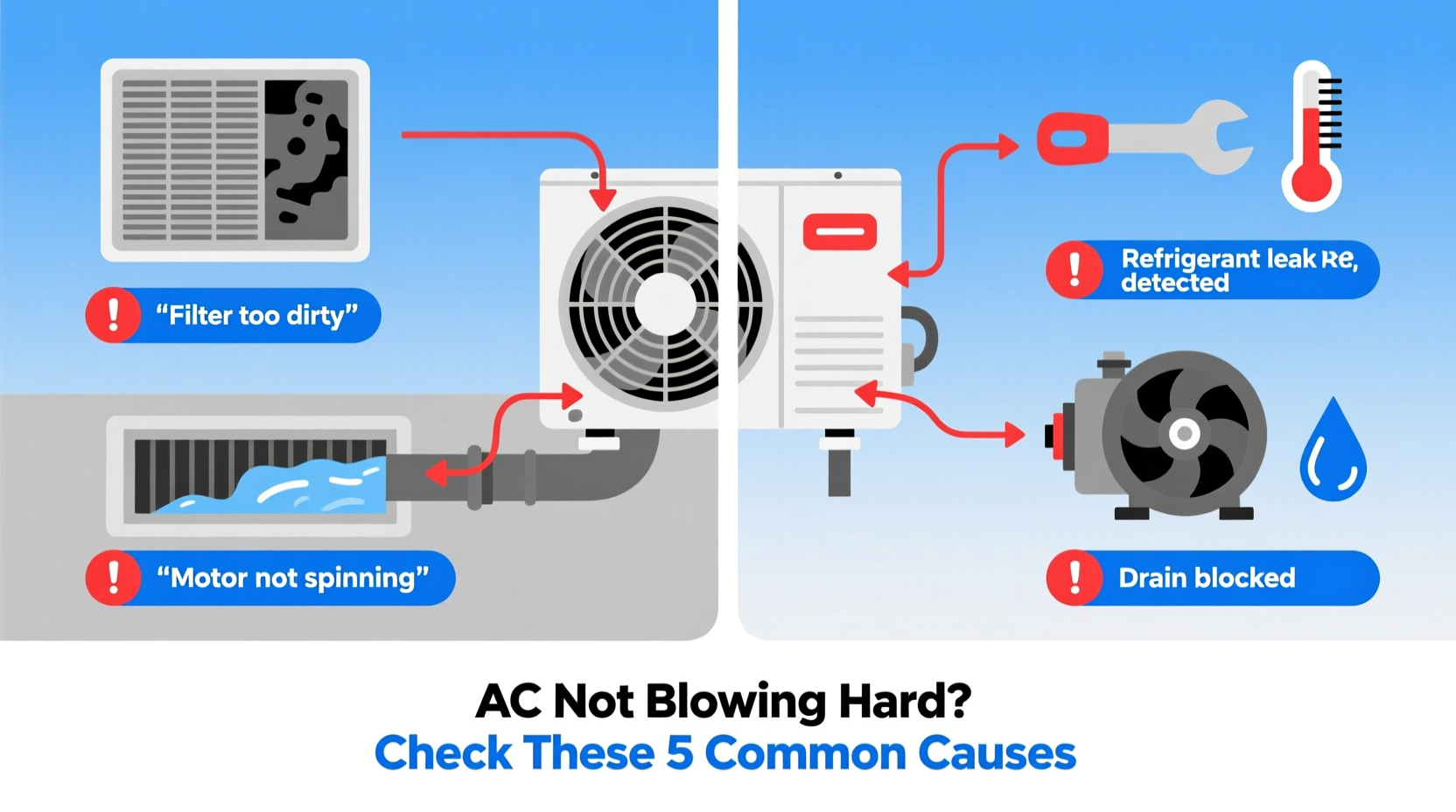
Airflow is the lifeblood of any HVAC system. Proper circulation ensures even cooling, efficient operation, and consistent indoor air quality. When airflow drops, your AC works harder to achieve the same result, increasing strain on components like the compressor and blower motor. Over time, this inefficiency can shorten the lifespan of your unit.
Normal airflow feels steady and strong from every vent. If you notice weak output, uneven cooling between rooms, or longer cycle times, it’s time to investigate. Most issues stem from either restricted airflow, mechanical faults, or duct problems—all of which are diagnosable with a methodical approach.
Common Causes of Weak AC Airflow
Several factors can reduce the force of air coming from your vents. Identifying the root cause is essential before attempting repairs.
- Clogged or dirty air filters: The most frequent culprit. A filter blocked with dust and debris restricts airflow into the system.
- Frozen evaporator coil: Moisture buildup due to poor airflow or low refrigerant can freeze the coil, blocking air passage.
- Failing blower motor: If the motor isn't spinning at full speed or is worn out, airflow diminishes significantly.
- Duct obstructions or leaks: Crimped, crushed, or disconnected ducts reduce air delivery. Leaky ducts lose conditioned air before it reaches vents.
- Dirty blower fan: Accumulated dirt on fan blades reduces efficiency and airflow volume.
- Thermostat settings or mode errors: Incorrect fan settings (e.g., “Auto” instead of “On”) may create perception of weak flow.
- Outdoor unit issues: A clogged condenser coil or failing fan can indirectly affect indoor performance by disrupting refrigerant balance.
“Over 60% of service calls for weak AC airflow trace back to neglected filters or duct issues that could have been avoided with routine maintenance.” — James Rutherford, HVAC Technician with 18 years of field experience
Step-by-Step Troubleshooting Guide
Follow this systematic process to identify and resolve airflow issues without immediately calling a technician.
- Check and replace the air filter. Locate the filter near the return air duct or air handler. If it’s gray with dust or visibly clogged, replace it with a new one of the correct size and MERV rating (typically MERV 8–13 for residential systems).
- Inspect supply vents. Ensure all vents are fully open and unobstructed by furniture, rugs, or curtains. Clean vent covers if dusty.
- Examine the thermostat settings. Confirm the fan is set to “On” temporarily to test continuous airflow. If airflow improves, the issue may be cycling-related.
- Listen to the blower motor. Stand near the air handler when the system runs. Unusual noises (grinding, squealing) suggest motor or belt problems.
- Look for ice buildup. Turn off the system and inspect the indoor evaporator coil (usually behind a panel). Ice indicates airflow restriction or refrigerant issues—do not attempt to chip ice off.
- Verify outdoor unit operation. Ensure the condenser fan spins freely and the coil is clean. Remove debris like leaves or grass clippings.
- Check for duct issues. In accessible areas (basement, attic), look for kinked, disconnected, or poorly sealed ducts. Pay attention to joints wrapped in deteriorating tape.
Do’s and Don’ts of AC Airflow Maintenance
| Do’s | Don’ts |
|---|---|
| Change filters regularly | Ignore strange noises from the air handler |
| Keep vents unblocked | Use filters with too high a MERV rating (can restrict airflow) |
| Vacuum return air grilles monthly | Run the system with a frozen coil |
| Schedule annual HVAC tune-ups | Seal ducts with duct tape (it degrades over time) |
| Trim vegetation around the outdoor unit | Delay repairs when airflow drops suddenly |
Real-World Example: The Case of the Frozen Coil
A homeowner in Phoenix reported their second-floor rooms weren’t cooling, despite the AC running constantly. Initial inspection showed weak airflow at multiple vents. The filter was replaced, but no improvement occurred. Upon opening the air handler, technicians found a thick layer of ice on the evaporator coil. Further investigation revealed the blower motor was operating at reduced speed due to worn bearings, causing low airflow and subsequent freezing.
After replacing the motor, defrosting the coil, and cleaning the ducts, airflow returned to normal. The repair prevented a potential compressor burnout and restored efficient cooling. This case underscores how one failing component can cascade into larger system issues if not addressed promptly.
When to Call a Professional
Some issues go beyond DIY fixes. Seek licensed HVAC help if you encounter:
- Refrigerant leaks (signs include hissing sounds, oily residue, or consistently low cooling)
- Electrical issues (burning smell, tripped breakers, flickering thermostat)
- Blower motor replacement or capacitor testing
- Duct sealing or redesign in inaccessible areas
- System age over 10–15 years with recurring airflow problems
Professionals use tools like manometers, ammeters, and thermal imaging to diagnose airflow and pressure issues accurately. They can also perform a Manual J load calculation to ensure your system is properly sized—a critical factor often overlooked in older homes.
Preventive Checklist for Strong, Consistent Airflow
Stay ahead of problems with this quarterly maintenance checklist:
- ✅ Replace or clean air filter
- ✅ Vacuum return air grilles and supply vents
- ✅ Clear debris around outdoor condenser unit
- ✅ Listen for unusual blower motor sounds
- ✅ Check thermostat responsiveness and battery
- ✅ Inspect visible ductwork for damage or disconnections
- ✅ Schedule professional tune-up once per year (ideally spring)
Frequently Asked Questions
Why is my AC blowing air but not cooling?
This often points to low refrigerant, a frozen evaporator coil, or a malfunctioning compressor. Even with airflow, cooling won’t occur if the refrigerant cycle is compromised. Contact a technician to check charge levels and system pressures.
Can dirty ducts cause weak airflow?
Yes. Over time, ducts accumulate dust, mold, and debris, especially if filters are neglected. Severe buildup restricts airflow and degrades indoor air quality. Consider professional duct cleaning every 3–5 years, particularly in homes with pets or allergies.
Is it normal for airflow to vary between vents?
Minor differences are expected due to duct layout and distance from the air handler. However, significant variation—such as one room receiving almost no air—suggests blockage, leaks, or improper duct balancing. An HVAC specialist can adjust dampers or recommend modifications.
Take Action Now for Cooler Comfort
Weak AC airflow is more than just an inconvenience—it’s a warning sign your system needs attention. By understanding the common causes and applying regular maintenance, you can restore strong airflow, improve efficiency, and extend your HVAC system’s life. Start with simple steps like changing the filter and inspecting vents. If problems persist, don’t hesitate to bring in a qualified technician. Your comfort and wallet will thank you.




 浙公网安备
33010002000092号
浙公网安备
33010002000092号 浙B2-20120091-4
Comments
No comments yet. Why don't you start the discussion?