
Acne on the cheeks is one of the most common skin concerns, affecting people across age groups and skin types. Unlike hormonal breakouts that cluster around the jawline or forehead acne linked to stress, cheek acne often stems from a mix of internal and external triggers. While occasional blemishes are normal, persistent breakouts in this area can be frustrating and may indicate deeper imbalances. Understanding the root causes—ranging from hygiene habits to lifestyle choices—is essential for effective treatment and long-term prevention. This guide breaks down the science behind cheek acne, offers dermatologist-backed solutions, and provides actionable steps to help you regain clear, confident skin.
Why Acne Appears on the Cheeks: Key Causes
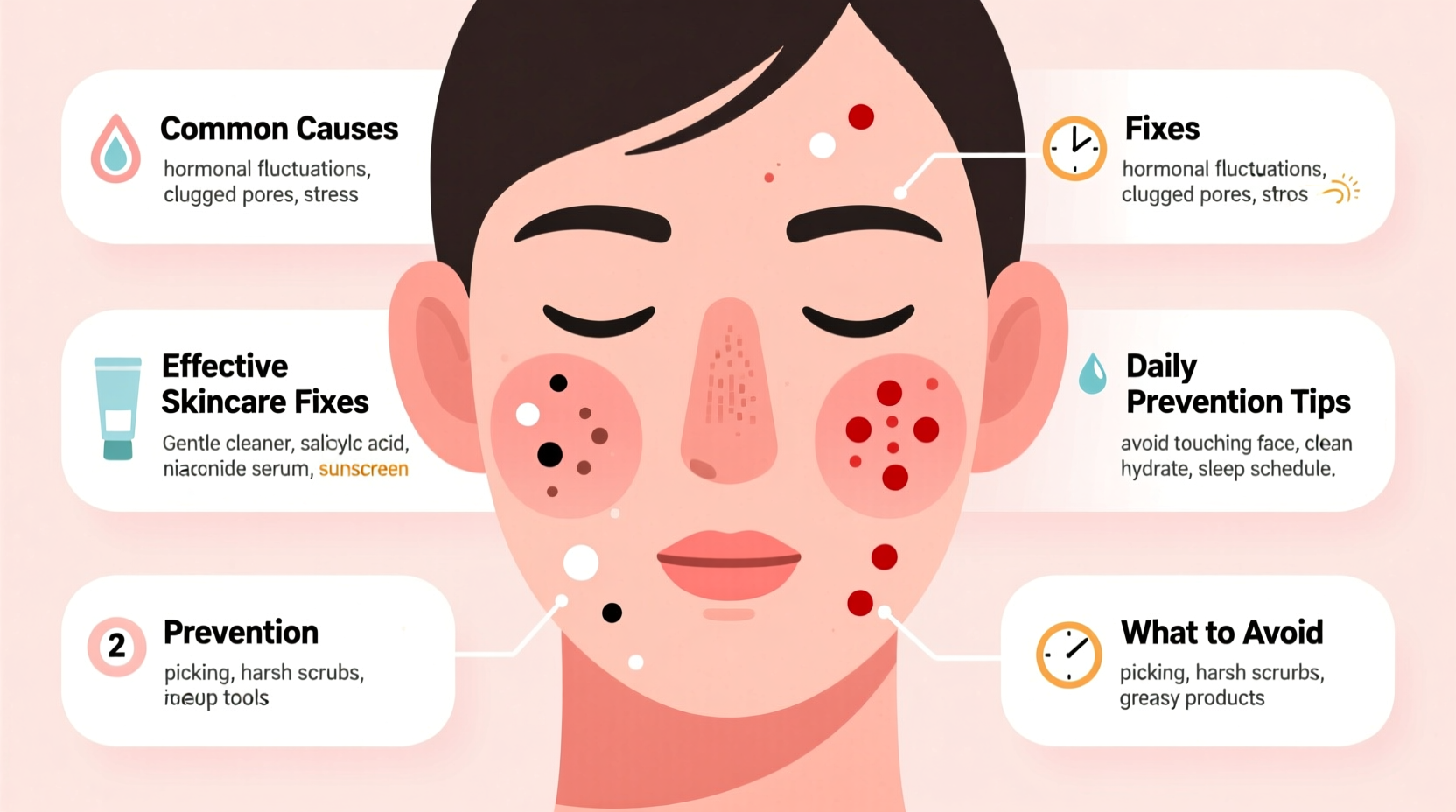
The cheeks are particularly vulnerable to acne due to their exposure to environmental pollutants, frequent contact with hands and devices, and sensitivity to hormonal fluctuations. Several factors contribute to breakouts in this area:
- Pore-clogging bacteria (Cutibacterium acnes): Naturally present on the skin, this bacteria thrives in clogged pores, leading to inflammation and pimples.
- Touching your face: Hands transfer dirt, oil, and bacteria to the cheeks, especially when resting your face on your palms or frequently adjusting glasses or masks.
- Phone and device contact: Smartphones harbor thousands of bacteria. Holding a dirty phone against your cheek creates a breeding ground for breakouts.
- Dietary influences: High-glycemic foods (like sugary snacks and white bread) and dairy have been linked to increased acne severity in clinical studies.
- Hormonal shifts: Androgen surges during menstruation, pregnancy, or conditions like PCOS can stimulate oil production, particularly in the lower cheeks.
- Sleep position: Sleeping on a dirty pillowcase transfers oils, sweat, and bacteria back onto the skin nightly.
- Skincare product buildup: Heavy moisturizers, comedogenic sunscreens, or makeup left on overnight can block pores.
Effective Skincare Fixes for Cheek Acne
Treating cheek acne requires consistency, patience, and the right active ingredients. The goal is to unclog pores, reduce inflammation, and prevent future breakouts without over-drying the skin. Here’s how to build an effective routine:
- Cleanse gently twice daily: Use a non-comedogenic, sulfate-free cleanser with salicylic acid (0.5–2%) or benzoyl peroxide (2.5–5%). These ingredients penetrate oil to exfoliate inside pores and kill acne-causing bacteria.
- Exfoliate 2–3 times weekly: Incorporate chemical exfoliants like glycolic or lactic acid to remove dead skin cells. Avoid physical scrubs, which can irritate inflamed areas.
- Apply targeted treatments: Use spot treatments with tea tree oil, niacinamide, or azelaic acid to calm redness and reduce pimple size.
- Hydrate with non-comedogenic formulas: Even oily skin needs moisture. Opt for gel-based or water-based moisturizers labeled “oil-free” and “non-acnegenic.”
- Wear sunscreen daily: UV exposure worsens post-inflammatory hyperpigmentation (dark spots). Choose a lightweight, mineral-based SPF 30+ that won’t clog pores.
“Over-washing or using harsh scrubs can disrupt the skin barrier, making acne worse. Focus on balance, not stripping.” — Dr. Lena Patel, Board-Certified Dermatologist
Key Ingredients and Their Benefits
| Ingredient | Function | Best For | Frequency |
|---|---|---|---|
| Salicylic Acid | Exfoliates inside pores, reduces oil | Blackheads, whiteheads, mild acne | Once or twice daily |
| Benzoyl Peroxide | Kills bacteria, reduces inflammation | Pustules, papules, moderate acne | Once daily (start low) |
| Niacinamide | Regulates oil, calms redness | All acne types, sensitive skin | Daily |
| Azelaic Acid | Exfoliates, evens tone, anti-inflammatory | Acne with dark spots | Once or twice daily |
| Retinoids (Adapalene) | Boosts cell turnover, prevents clogs | Chronic or recurring acne | Every other night (build tolerance) |
Prevention Tips: Stop Breakouts Before They Start
Clear skin isn’t just about treating existing acne—it’s about creating habits that prevent new ones. Prevention focuses on minimizing contact with irritants, supporting skin health internally, and maintaining consistency in care.
Do’s and Don’ts for Cheek Acne Prevention
| Do | Don't |
|---|---|
| Wash pillowcases every 3–4 days | Sleep in makeup |
| Use non-comedogenic makeup | Share makeup brushes or sponges |
| Keep hair off your face (especially if oily) | Touch your face throughout the day |
| Drink plenty of water | Pop or pick at pimples |
| Manage stress with mindfulness or exercise | Switch products too frequently |
Lifestyle Adjustments That Make a Difference
- Dietary awareness: Reduce intake of high-sugar and processed foods. Increase consumption of antioxidant-rich fruits, vegetables, omega-3 fatty acids (found in salmon, flaxseeds), and zinc (pumpkin seeds, lentils).
- Hydration: Dehydrated skin compensates by producing more oil. Aim for 2–2.5 liters of water daily.
- Stress management: Chronic stress elevates cortisol, which increases sebum production. Practices like yoga, journaling, or deep breathing can help regulate hormone levels.
- Avoid friction: Tight helmets, headbands, or even frequent mask-wearing (maskne) can trap sweat and bacteria. Use breathable fabrics and cleanse afterward.
“In my clinic, patients who improved sleep quality and reduced sugar intake saw fewer breakouts—even before topical treatments took full effect.” — Dr. Raj Mehta, Clinical Skin Specialist
Real-Life Example: How One Woman Cleared Her Cheek Acne
Sophie, a 28-year-old graphic designer, struggled with recurring acne along her lower cheeks for years. She used multiple acne creams but saw only temporary improvement. After consulting a dermatologist, she discovered several overlooked habits contributing to her breakouts:
- She rested her hand on her cheek while working at her desk.
- Her phone was never cleaned, and she held it against her face during long calls.
- She used a heavy facial oil that wasn’t labeled non-comedogenic.
- Her pillowcases were changed only once a month.
With guidance, Sophie made simple but powerful changes:
- Started cleaning her phone daily.
- Switched to a lightweight, oil-free moisturizer.
- Changed pillowcases twice a week.
- Replaced her facial oil with a niacinamide serum.
- Practiced mindfulness to manage work-related stress.
Within eight weeks, her breakouts decreased significantly. By three months, her skin was noticeably clearer, with fewer new pimples forming. Sophie’s case highlights how small behavioral shifts can have a major impact—sometimes more than aggressive treatments.
Step-by-Step Evening Routine for Acne-Prone Cheeks
A consistent nighttime routine allows active ingredients to work without interference from pollution or makeup. Follow this dermatologist-recommended sequence:
- Double cleanse: Start with an oil-based cleanser to dissolve sunscreen and makeup, followed by a water-based cleanser with salicylic acid.
- Tone (optional): Use an alcohol-free toner with witch hazel or rose water to balance pH.
- Apply treatment serum: Dab on a 10% niacinamide or 2% salicylic acid serum, focusing on breakout-prone zones.
- Spot treat: Use a benzoyl peroxide or tea tree solution directly on active pimples.
- Moisturize: Seal everything with a non-comedogenic gel moisturizer.
- Weekly add-on (2–3x/week): After cleansing, apply a thin layer of adapalene gel (0.1%), then moisturize. Begin every other night to avoid irritation.
Frequently Asked Questions
Can wearing a mask cause acne on the cheeks?
Yes. Prolonged mask use traps heat, moisture, and friction against the skin—a condition known as “maskne.” To prevent it, wash reusable masks after each use, opt for soft cotton layers, and cleanse your face immediately after removing the mask. Use a lightweight, non-comedogenic moisturizer as a barrier.
Is cheek acne a sign of poor hygiene?
Not necessarily. While hygiene plays a role, acne is primarily influenced by hormones, genetics, and product compatibility. Over-cleansing or scrubbing aggressively can damage the skin barrier and worsen breakouts. Focus on gentle, consistent care rather than frequency.
How long does it take to see results from acne treatments?
Most topical treatments require 4–8 weeks to show visible improvement. Active ingredients need time to regulate cell turnover and reduce inflammation. Be patient and avoid switching products too quickly, as this can irritate the skin and delay progress.
Your Clear Skin Action Plan: A Quick Checklist
Use this checklist to stay on track and minimize cheek breakouts:
- ✅ Wash your face morning and night with a gentle acne cleanser
- ✅ Clean your phone and glasses daily
- ✅ Change pillowcases at least twice a week
- ✅ Avoid touching your face throughout the day
- ✅ Use non-comedogenic skincare and makeup products
- ✅ Drink enough water and limit high-sugar foods
- ✅ Apply sunscreen every morning
- ✅ Stick to one new product at a time when building your routine
- ✅ See a dermatologist if acne persists beyond 8–12 weeks
Take Control of Your Skin Health Today
Acne on the cheeks doesn’t have to be a constant battle. With the right knowledge, products, and habits, you can significantly reduce breakouts and improve your skin’s overall resilience. Remember, skincare is not one-size-fits-all—what works for someone else might not suit your unique skin type. Pay attention to how your skin responds, make adjustments mindfully, and give treatments time to work. Small, consistent efforts compound into lasting results. Start tonight: clean your phone, wash your pillowcase, and apply a gentle treatment. Your journey to clearer cheeks begins with a single step.




 浙公网安备
33010002000092号
浙公网安备
33010002000092号 浙B2-20120091-4
Comments
No comments yet. Why don't you start the discussion?