
Choosing between acrylic and oil paints as a beginner can feel overwhelming. Both mediums have passionate advocates, rich histories, and unique characteristics that influence how they behave on canvas. For someone just starting out, the decision often comes down to more than aesthetics—it’s about drying time, cleanup, cost, learning curve, and long-term goals. While both are valid choices, one tends to be significantly more beginner-friendly under most circumstances.
Understanding the fundamental differences between these two paint types helps demystify the process and guides new artists toward a medium that supports experimentation, growth, and confidence-building without unnecessary frustration.
Drying Time and Workflow Differences
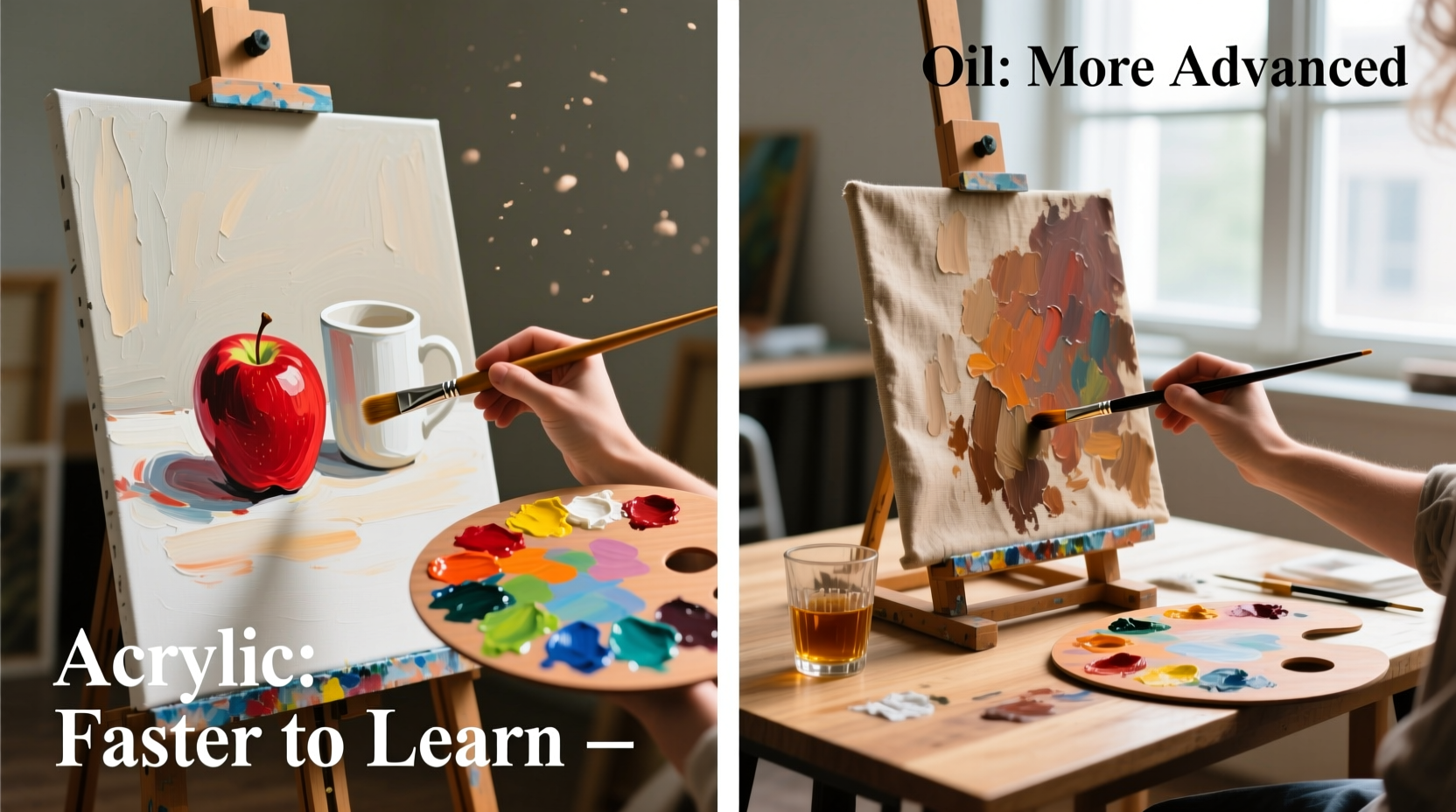
The most immediate difference between acrylic and oil paints lies in their drying times. Acrylics dry quickly—often within minutes to an hour depending on thickness and environmental conditions. This fast-drying nature allows for rapid layering but can make blending challenging for beginners who aren’t used to working at speed.
In contrast, oil paints can take days or even weeks to dry fully. This extended open time gives artists ample opportunity to blend colors directly on the canvas, rework areas, and achieve smooth transitions—a hallmark of classical painting techniques.
For beginners eager to see progress quickly, acrylics offer instant feedback. You can paint over mistakes within hours rather than waiting days. However, this also means less flexibility during the actual painting session. Oils reward patience; acrylics reward momentum.
Materials, Cost, and Setup Requirements
Starting with either medium requires some basic supplies: brushes, canvas or panels, palettes, and mediums. But the type and cost of materials differ significantly.
Acrylics use water as a thinner and cleaner, making them accessible and low-maintenance. All you need is soap and water to clean your brushes and palette. There's no need for solvents unless you're using specialized mediums.
Oils, however, typically require odorless mineral spirits or turpentine for thinning paint and cleaning tools. These solvents demand proper ventilation and careful storage, adding complexity and potential health concerns for home studios. Additionally, oil painters often use multiple mediums (linseed oil, stand oil, damar varnish) to modify drying time and finish, increasing both cost and technical knowledge required.
“Oil painting introduces chemical handling early on, which can be intimidating. Acrylics let beginners focus purely on technique.” — Daniel Reeves, Art Instructor at Hudson Valley School of Painting
Cost-wise, student-grade acrylic sets are generally cheaper and last longer due to higher pigment concentration per volume. While high-end professional acrylics can rival oils in price, entry-level options are widely available and forgiving.
Learning Curve and Common Beginner Challenges
Every artist faces hurdles when learning to paint. With acrylics, the primary challenge is mastering timing. Because the paint dries so fast, wet-in-wet blending becomes difficult. Many beginners struggle with visible brushstrokes, patchy coverage, or muddy colors from overworking dried layers.
However, these issues are manageable with simple solutions: using a stay-wet palette, adding retarders to slow drying, or working in smaller sections. The key advantage is immediacy—mistakes can be painted over quickly, encouraging trial and error.
Oil painting presents different challenges. The slow drying time means corrections aren’t immediate. A beginner might apply a layer only to realize days later that the color was off or the composition unbalanced. This delay can hinder motivation and slow skill development.
Additionally, oil painting techniques like glazing, scumbling, and indirect layering require understanding fat-over-lean rules (applying more flexible, oil-rich layers over leaner ones) to prevent cracking. This adds a layer of technical knowledge before artistic expression can flourish.
Side-by-Side Comparison: Acrylic vs Oil for Beginners
| Factor | Acrylic Paints | Oil Paints |
|---|---|---|
| Drying Time | Minutes to hours | Days to weeks |
| Cleanup | Water and soap | Solvents required |
| Ventilation Needs | Minimal | Essential (due to fumes) |
| Beginner-Friendly Blending | Moderate (fast-drying limits time) | High (long open time) |
| Cost of Starter Kit | $30–$60 | $50–$90+ |
| Layering Speed | Immediate | Delayed (wait 3–7 days) |
| Common Mistake Recovery | Easy (paint over in hours) | Difficult (must wait or scrape) |
| Odor | Nearly none | Strong (solvents/oil) |
Realistic Learning Timeline for Each Medium
Here’s what a typical beginner can expect when committing to each medium over a three-month period:
Acrylic Painting (Weeks 1–12)
- Week 1–2: Learn basic brush control, color mixing, and layering. Complete small swatch studies and simple still lifes.
- Week 3–4: Practice blending with retarders or misting techniques. Try painting skies, gradients, and basic portraits.
- Week 5–8: Work on full compositions using blocking-in methods. Experiment with texture and mediums (gels, pastes).
- Week 9–12: Develop personal style. Attempt multi-session pieces with confidence in correcting errors.
Oil Painting (Weeks 1–12)
- Week 1–2: Set up ventilated workspace. Learn solvent safety. Begin monochrome value studies.
- Week 3–4: Mix colors using linseed oil. Practice fat-over-lean layering. Wait for layers to dry between sessions.
- Week 5–8: Start small color studies. Introduce glazing techniques. Manage drying schedules carefully.
- Week 9–12: Begin layered paintings. Focus on planning ahead due to slow progression.
Note the structural difference: acrylic learners gain hands-on experience faster, while oil learners spend significant time waiting or preparing. For self-taught artists without formal guidance, this pacing can impact engagement and retention.
Mini Case Study: Sarah’s First Six Months of Painting
Sarah, a 28-year-old graphic designer with no prior art experience, wanted to explore traditional painting. She began with oils after being inspired by Rembrandt’s portraits. Her first canvas was a self-portrait attempt. She spent two evenings building the underpainting, then waited five days for it to dry before adding color layers.
Frustrated by the slow progress and noticing slight cracking from improper medium use, she paused for nearly three weeks. After researching alternatives, she switched to acrylics. Using a student-grade set and cardboard canvases, she completed six small landscape studies in her first week alone. Within two months, she held a mini-exhibition at her local coffee shop.
“I love the richness of oil,” she said, “but I needed to *see* improvement. Acrylics gave me that. Now that I understand values and composition, I’m revisiting oils—with better preparation.”
Sarah’s story reflects a common pattern: enthusiasm meets logistical friction with oils, while acrylics support continuous creative flow.
Actionable Checklist: Choosing Your Starting Medium
- Do I have a well-ventilated space? → No? Lean toward acrylics.
- Am I comfortable handling solvents? → Unsure? Start with acrylics.
- Do I want to paint multiple times per week? → Yes? Acrylics allow faster iteration.
- Am I aiming for hyper-realism or classical techniques? → Yes? Oils may suit long-term goals.
- Is budget under $60? → Yes? Acrylic starter kits offer more value.
- Do I get frustrated by waiting? → Yes? Avoid oil’s slow drying time.
Frequently Asked Questions
Can I switch from acrylic to oil later?
Absolutely. Skills like color theory, composition, and brushwork transfer seamlessly. In fact, many instructors recommend starting with acrylics to build foundational skills before transitioning to oils. Just remember that surface preparation (priming) and layering rules differ, so study best practices before beginning.
Are there non-toxic ways to paint with oils?
Yes. Modern alternatives include water-mixable oil paints, which clean up with water and eliminate the need for harsh solvents. Brands like Winsor & Newton Artisan and Cobra offer professional-quality water-soluble oils. These reduce odor and safety concerns, making them a viable middle ground for sensitive environments.
Which medium lasts longer on canvas?
When properly applied and varnished, both acrylic and oil paintings can last over a century. Oils have a longer historical track record (500+ years), but modern acrylics are archival and resistant to yellowing. The longevity depends more on technique, materials, and storage than the medium itself.
Expert Insight: Why Technique Trumps Medium
“The best medium for a beginner isn’t the one with the richest history—it’s the one that keeps them painting consistently. Momentum matters more than mastery in the first year.” — Lena Park, MFA, Founder of BeginnerBrush Academy
Park emphasizes that emotional connection to the process outweighs technical perfection. “If a student spends three weeks staring at a drying oil layer instead of creating, they lose rhythm. Acrylics keep the hand moving, the mind engaged.”
She notes that many successful contemporary artists begin with acrylics or mixed media, later incorporating oils once core principles are internalized. “You don’t learn to swim in the deep end,” she says. “You start where you can touch the bottom.”
Final Recommendation: Start with Acrylics
While oil painting offers unmatched depth and luminosity, acrylics are objectively easier for beginners to learn first. They require fewer materials, pose minimal health risks, dry quickly, and allow for rapid experimentation. These factors combine to create a supportive environment for developing confidence and competence.
This doesn’t mean oils should be avoided forever. Once you’ve mastered color mixing, value control, and compositional design through acrylics, transitioning to oils becomes a natural evolution—not a steep uphill battle.
Moreover, many professional artists today use both mediums interchangeably. Some block in large compositions with acrylics and finish details with oils. Others use acrylic underpaintings beneath oil glazes. Flexibility increases when you understand both systems.
Conclusion and Call to Action
Deciding between acrylic and oil painting isn’t about which is “better”—it’s about which supports your journey right now. For most beginners, acrylics provide the ideal balance of accessibility, affordability, and creative freedom. They remove barriers to practice, allowing you to focus on what truly matters: learning to see, mix, and express.
If you’ve been hesitating to start because you’re unsure about the “right” medium, let this be your sign: pick up a set of student-grade acrylics, grab some brushes, and paint something today. You don’t need perfect conditions or expensive gear. You need action.




 浙公网安备
33010002000092号
浙公网安备
33010002000092号 浙B2-20120091-4
Comments
No comments yet. Why don't you start the discussion?