
Tissue boxes may seem like a minor detail in home decor, but their containers can make a noticeable difference in both function and aesthetic. While plastic tissue boxes dominate drugstore shelves, acrylic versions have gained popularity in luxury homes and designer spaces. But is the upgrade from plastic to acrylic truly justified? For those weighing cost against quality, appearance, and longevity, understanding the real differences between these materials is essential.
More than just a container for tissues, a well-chosen box becomes part of your room’s ambiance—whether on a coffee table, nightstand, or entryway console. This comparison dives into material properties, design flexibility, maintenance needs, and long-term value to answer one key question: Are high-end acrylic tissue boxes worth the investment?
Material Showdown: Acrylic vs Plastic
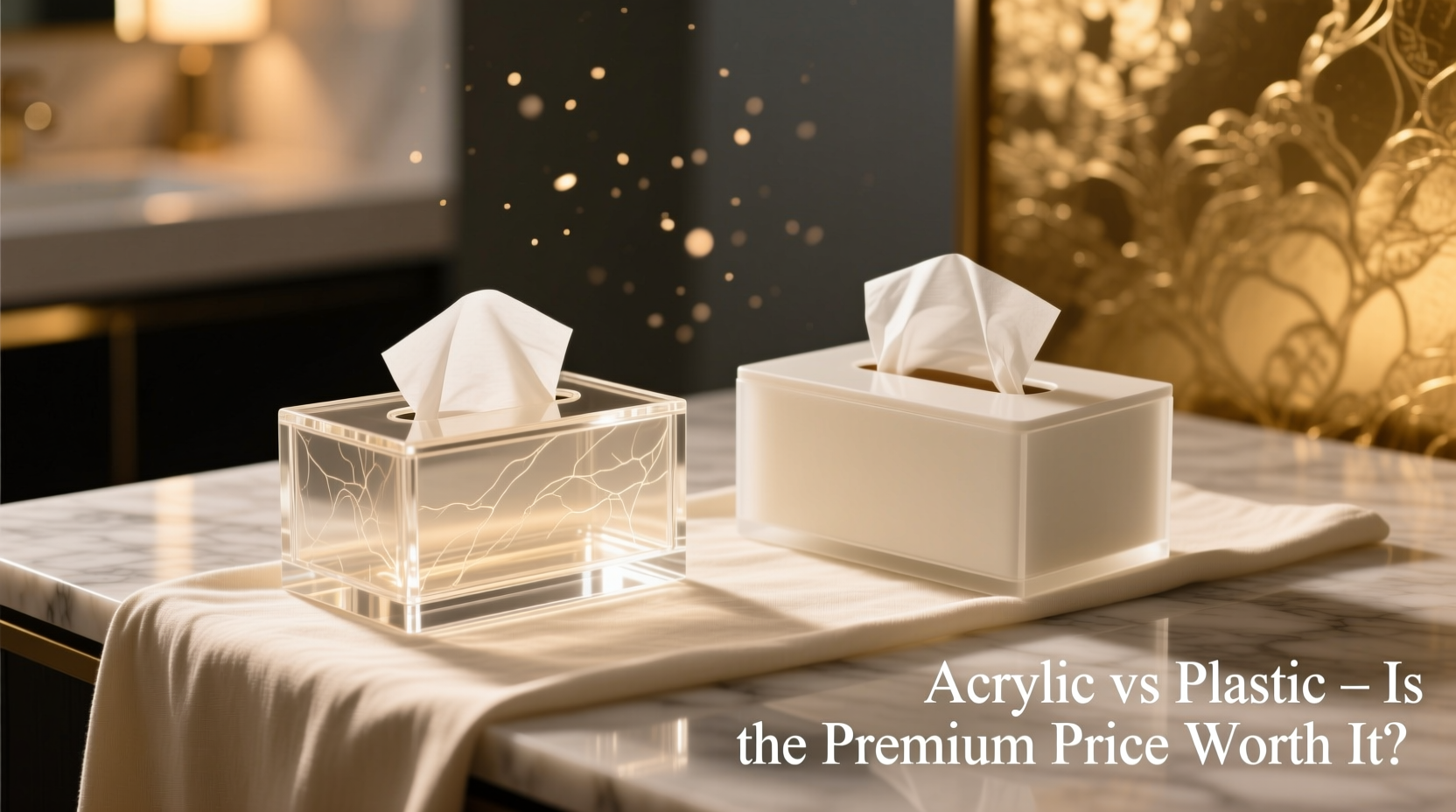
The term “plastic” is often used broadly, but not all plastics are created equal. Most budget-friendly tissue boxes are made from polystyrene or polypropylene—materials chosen for low cost and ease of mass production. These polymers are lightweight and impact-resistant to a degree, but they tend to scratch easily and degrade under UV exposure, leading to cloudiness or yellowing over time.
Acrylic, also known by brand names like Plexiglas or Lucite, is a distinct type of thermoplastic renowned for its optical clarity and rigidity. Unlike standard plastic, acrylic has a glass-like appearance without the weight or fragility. It resists fading from sunlight and maintains its luster for years with minimal care. Though more brittle than polypropylene under sharp impacts, acrylic is significantly more scratch-resistant when properly maintained.
Design & Aesthetic Value
One of the most compelling arguments for acrylic tissue boxes lies in their visual appeal. Because acrylic can be precision-cut, polished, and shaped into sleek, modern forms, it offers superior design versatility. High-end models feature seamless edges, tapered corners, and minimalist silhouettes that complement contemporary interiors.
In contrast, plastic tissue boxes often come in bright colors or playful patterns aimed at mass appeal. While fun, these designs rarely blend seamlessly into elevated décor schemes. Acrylic’s transparency allows it to recede visually, letting the focus remain on surrounding decor while still contributing a sense of refinement.
Luxury brands and interior designers frequently specify acrylic accessories because they mimic the elegance of glass without the safety concerns. In a well-curated living room or boutique hotel lobby, an acrylic tissue box doesn’t just hold tissues—it signals attention to detail.
Comparative Analysis: Key Features at a Glance
| Feature | Acrylic Tissue Box | Plastic Tissue Box |
|---|---|---|
| Clarity & Finish | Crystal-clear, glass-like polish | Often translucent or colored, less refined |
| Durability | Resists scratches and UV fading | Prone to clouding and scuff marks |
| Weight & Stability | Heavier, less likely to tip | Lightweight, can slide or tip easily |
| Price Range | $25–$75+ | $5–$15 |
| Lifespan | 5+ years with care | 1–3 years before showing wear |
Real-World Example: The Hotel Room Test
Consider a mid-tier boutique hotel chain deciding between acrylic and plastic tissue boxes for guest rooms. Management initially opted for plastic to cut costs, but within six months, housekeeping reported frequent complaints about scratched, grimy-looking containers. Guests described them as “cheap” or “like something from a dentist’s office.”
The hotel switched to matte-finish acrylic boxes with rounded edges—a model priced at $32 each. Despite the higher upfront cost, feedback improved dramatically. Guests noted the “sophisticated” and “well-thought-out” details. After two years, only 12% of the acrylic units needed replacement due to accidental drops, compared to 68% of the plastic ones replaced within the first year. The switch not only enhanced perceived quality but reduced long-term replacement expenses.
“Materials matter in hospitality. An acrylic tissue box might seem small, but it contributes to the overall impression of care and intentionality.” — Lena Torres, Interior Consultant for Boutique Hospitality Group
Maintenance and Longevity
Acrylic requires slightly more thoughtful care than plastic, but the effort pays off in longevity. Dust and fingerprints are more visible on clear acrylic, so regular wiping with a soft cloth is recommended. However, because acrylic resists chemical degradation, it can withstand repeated cleaning without hazing.
Plastic, especially cheaper variants, tends to absorb oils from hands and degrade when exposed to cleaning agents. Over time, this leads to a dull, sticky surface that’s difficult to restore. Once scratched, plastic cannot be polished—the damage is permanent. Acrylic, on the other hand, can often be buffed out using specialized polishing kits, extending its life even further.
Is the Premium Price Justified?
The average acrylic tissue box costs 3–5 times more than its plastic counterpart. At first glance, this seems excessive for an item whose primary function is utility. But value should be measured not just in initial cost, but in performance over time.
- Durability: Acrylic lasts longer and maintains its appearance, reducing the need for replacements.
- Aesthetic Integration: It complements high-end furniture and neutral color palettes better than plastic.
- Resale & Rental Appeal: In real estate staging or short-term rentals, premium accessories improve perceived property value.
- Eco-Impact: Fewer replacements mean less waste, aligning with sustainable consumption trends.
For individuals who prioritize curated living spaces or manage commercial environments where perception influences satisfaction, the investment makes clear sense. For casual users who replace decor frequently or prefer bold, temporary styles, plastic remains a practical choice.
FAQ: Common Questions Answered
Can I use any tissue box inside an acrylic holder?
Most standard Kleenex and generic tissue boxes (approx. 4.5\" x 4.5\" x 5\") fit universal acrylic holders. Always check internal dimensions before purchasing, especially for decorative or oversized boxes.
Do acrylic tissue boxes break easily?
They are more brittle than flexible plastics and can crack if dropped on hard surfaces from height. However, normal household use rarely results in breakage. Thicker-walled models (6mm+) offer greater resilience.
Are there eco-friendly acrylic options?
Yes—some manufacturers now use recycled acrylic or offer take-back programs. Look for certifications like Greenguard or ISO 14001 for environmentally responsible production.
Final Verdict: When to Upgrade
High-end acrylic tissue boxes are not universally necessary, but they deliver tangible benefits in specific contexts. They excel in environments where aesthetics, durability, and consistency matter—homes with modern design themes, professional offices, Airbnb listings, or healthcare waiting areas aiming for a calming, upscale atmosphere.
If you view home accessories as long-term investments rather than disposable items, acrylic offers superior return on investment. Its ability to age gracefully, resist wear, and elevate a space makes it more than just a container—it becomes a subtle statement of taste.




 浙公网安备
33010002000092号
浙公网安备
33010002000092号 浙B2-20120091-4
Comments
No comments yet. Why don't you start the discussion?