
When it comes to serving trays, two materials dominate both kitchen storage and stylish tabletop setups: acrylic and wood. At first glance, they might seem interchangeable—both can carry drinks, snacks, or breakfast in bed. But in daily use, their differences become clear. Choosing between an acrylic and a wooden tray isn’t just about aesthetics; it’s about function, longevity, safety, and how well each fits into your lifestyle. Whether you're hosting weekend brunches or simply organizing your coffee table, understanding the strengths and weaknesses of each material helps you make a smarter, more practical choice.
Durability and Long-Term Use
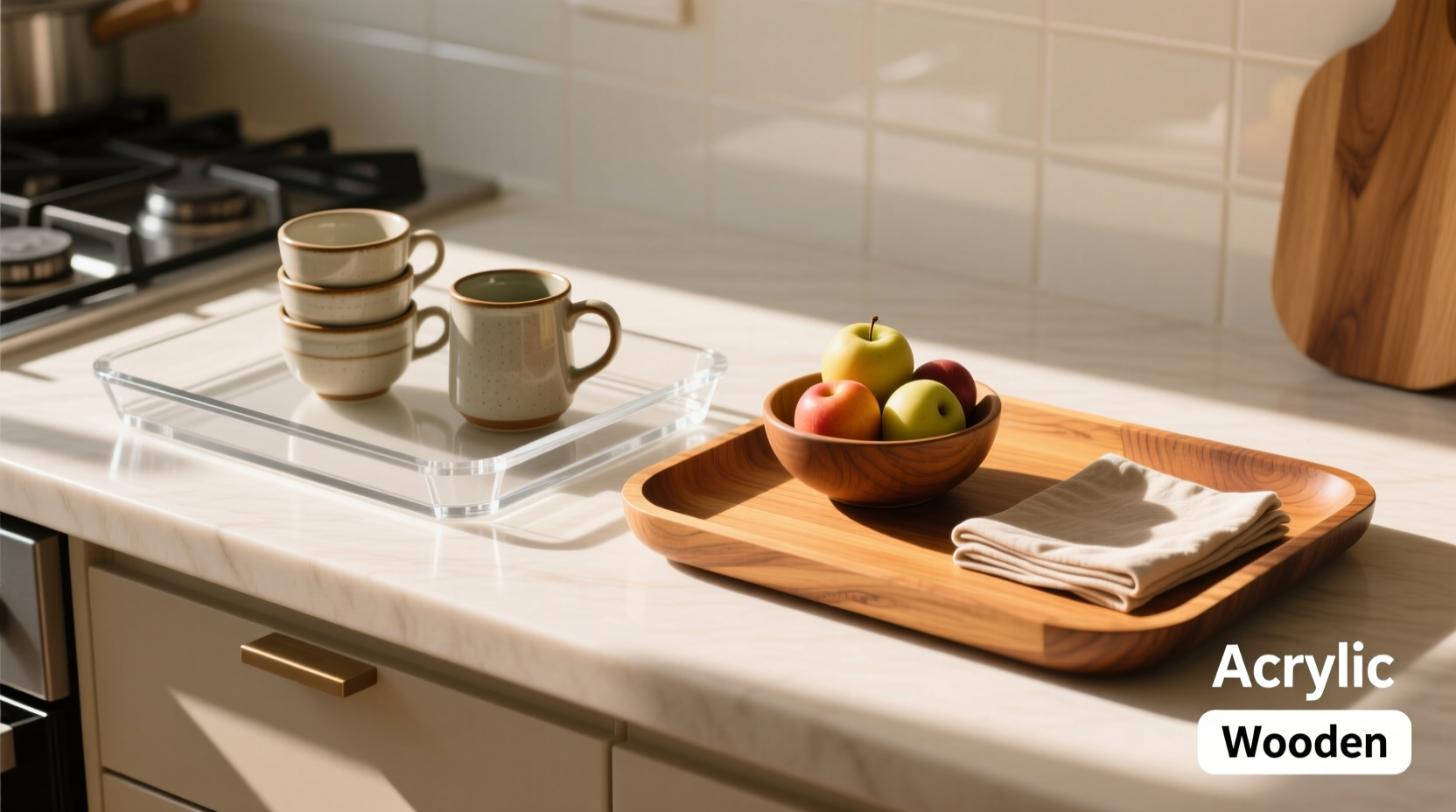
Durability is one of the most critical factors when selecting a serving tray for everyday use. Acrylic trays are known for their lightweight build and resistance to chipping under normal conditions. They won’t warp or crack from moisture exposure, making them ideal for carrying drinks or damp items. However, acrylic is prone to scratching. Even light use with metal utensils or abrasive cleaning pads can leave visible marks over time. Once scratched, the surface loses its clarity and becomes harder to clean thoroughly.
Wooden trays, particularly those made from hardwoods like walnut, teak, or bamboo, offer natural resilience. When properly sealed and maintained, they resist dents and impacts far better than acrylic. High-quality wooden trays can last decades, even with daily use. However, wood is vulnerable to water damage if not treated regularly. Leaving a wet glass on an untreated wooden tray can result in staining or warping. The key difference lies in recovery: while scratches on acrylic are permanent, minor scuffs on wood can often be sanded and re-oiled.
Maintenance and Cleaning Requirements
Cleaning routines vary significantly between the two materials. Acrylic trays are dishwasher-safe in many cases, though hand washing with mild soap is recommended to preserve clarity. Their non-porous surface resists stains and bacteria, making them hygienic for food service. A quick wipe usually suffices, but streaks from cleaning products can be an issue—microfiber cloths work best.
Wood requires more attention. It should never go in the dishwasher. Instead, clean it by hand with a damp (not wet) cloth and mild soap, then dry immediately. Over time, wooden trays benefit from periodic oiling with food-safe mineral oil or beeswax to maintain their luster and protect against drying. Neglect this, and the wood may crack or harbor bacteria in microscopic fissures.
“Wood is alive—it expands, contracts, and responds to its environment. Treating it with care isn’t just maintenance; it’s part of the relationship.” — Lena Torres, Sustainable Kitchenware Designer
Aesthetic Appeal and Style Flexibility
Appearance plays a major role in home decor decisions. Acrylic trays offer a modern, minimalist look. Their transparency allows them to blend seamlessly into any color scheme, and they give the illusion of floating objects when used on shelves or tables. Available in various shapes, edges, and tints (like smoke or rose), acrylic suits contemporary, Scandinavian, or ultra-clean interiors.
Wood brings warmth and texture. Each grain pattern is unique, adding character and organic elegance to a space. Wooden trays fit naturally in rustic, farmhouse, bohemian, or traditional settings. They age gracefully, developing a patina that many find appealing. Unlike acrylic, which looks “perfect” until it’s visibly scratched, wood embraces imperfections as part of its story.
If versatility matters, consider that acrylic trays can double as display stands or organizational tools beyond serving. Wood, while beautiful, is often reserved for intentional use due to its perceived value and need for protection.
Functionality in Real-Life Scenarios
Let’s examine how each type performs in common household situations.
Morning coffee service: A wooden tray adds charm when delivering coffee and toast to the bedroom. Its weight provides stability, reducing spills. However, condensation from mugs can damage the surface if not wiped quickly. An acrylic tray handles moisture effortlessly and is easier to clean after buttery croissants, but may feel less inviting.
Hosting guests: For cocktail parties, acrylic trays shine—literally. Their glossy finish reflects ambient light, enhancing presentation. They’re also lighter, allowing hosts to carry full drink loads with less arm fatigue. But if a glass slips, the hard surface increases the risk of breakage. Wood offers more cushioning; dropped items are less likely to shatter.
Daily organization: On countertops or vanities, wooden trays excel at corralling small items like perfume, keys, or charging cables. Their natural look elevates clutter without hiding it. Acrylic works here too, especially in small spaces where visual lightness matters, but fingerprints and dust show more easily.
Mini Case Study: The Busy Family Home
The Patel family uses both types weekly. They keep an acrylic tray in the living room for movie nights—snacks, sodas, remotes. It’s easy to wipe after popcorn butter spills and survives drops from curious toddlers. In the dining room, a walnut tray stays out for bread and olive oil during meals. It complements their oak table and feels substantial. However, they learned the hard way not to leave it soaking after dinner—the edge began to lift. Now, it’s wiped within minutes and oiled monthly. Their takeaway: acrylic wins for high-traffic chaos; wood earns its place in intentional, cared-for moments.
Comparison Table: Acrylic vs Wooden Trays
| Feature | Acrylic Tray | Wooden Tray |
|---|---|---|
| Durability | Resistant to water, but scratches easily | Scratch-resistant, but vulnerable to water damage |
| Cleaning | Dishwasher-safe (check label); wipe with soft cloth | Hand wash only; dry immediately; oil monthly |
| Weight | Very lightweight | Heavier, more stable |
| Aesthetic | Modern, sleek, invisible presence | Warm, natural, textured |
| Lifespan | 3–5 years with moderate use | 10+ years with proper care |
| Cost | $10–$30 | $25–$80+ |
| Eco-Friendliness | Plastic-based; not biodegradable | Renewable resource; compostable at end-of-life |
Checklist: How to Choose the Right Tray for Your Needs
- ✅ Assess your daily routine: Do you need something rugged and low-maintenance?
- ✅ Consider your decor style: Modern/minimalist favors acrylic; warm/earthy leans toward wood.
- ✅ Think about frequency of use: Daily chaos calls for acrylic; occasional elegance suits wood.
- ✅ Evaluate your willingness to maintain: Can you commit to monthly oiling?
- ✅ Check safety needs: Are children or elderly users involved? Acrylic is lighter and safer to handle.
- ✅ Prioritize sustainability: If eco-impact matters, wood has the edge.
Frequently Asked Questions
Can I leave food on a wooden tray overnight?
No. While sealed wood is food-safe, prolonged contact with acidic or moist foods (like citrus or tomatoes) can degrade the finish and invite bacterial growth. Always transfer food to plates and clean the tray promptly.
Are acrylic trays safe for hot dishes?
Generally, no. Most acrylic trays begin to warp at temperatures above 160°F (71°C). Never place hot pots, pans, or oven dishes directly on them. Wooden trays handle heat better but should still be protected with trivets.
How do I restore a cloudy acrylic tray?
Use a specialized plastic polish or a paste made from baking soda and water. Gently rub in circular motions with a soft cloth, rinse, and dry. Avoid abrasive cleaners that worsen cloudiness.
Final Verdict: Which Is Better for Everyday Use?
The answer depends on your priorities. If convenience, affordability, and moisture resistance are top concerns—especially in homes with kids or frequent entertaining—acrylic trays are the practical winner. They’re easy to clean, lightweight, and unfazed by spills.
But if you value longevity, natural beauty, and sustainable materials, wooden trays are worth the extra care. With proper maintenance, they age beautifully and become heirloom pieces. They bring a tactile, human element to daily rituals that plastic simply can’t replicate.
Many households find the best solution is to own both. Keep an acrylic tray in high-traffic areas for mess-prone tasks, and reserve the wooden one for special meals or decorative purposes. This hybrid approach maximizes functionality without sacrificing style.




 浙公网安备
33010002000092号
浙公网安备
33010002000092号 浙B2-20120091-4
Comments
No comments yet. Why don't you start the discussion?