
The line between activewear and loungewear has blurred in recent years. With the rise of athleisure, it’s common to see people wearing yoga pants to brunch or hoodies on evening walks. Both categories promise comfort, stretch, and softness—but beneath the surface, their fabric technologies diverge significantly. While they may look similar at a glance, the materials, construction, and functional engineering behind each serve distinct purposes. Understanding these differences helps consumers make informed choices based on lifestyle, activity level, and long-term wearability.
Defining Activewear and Loungewear
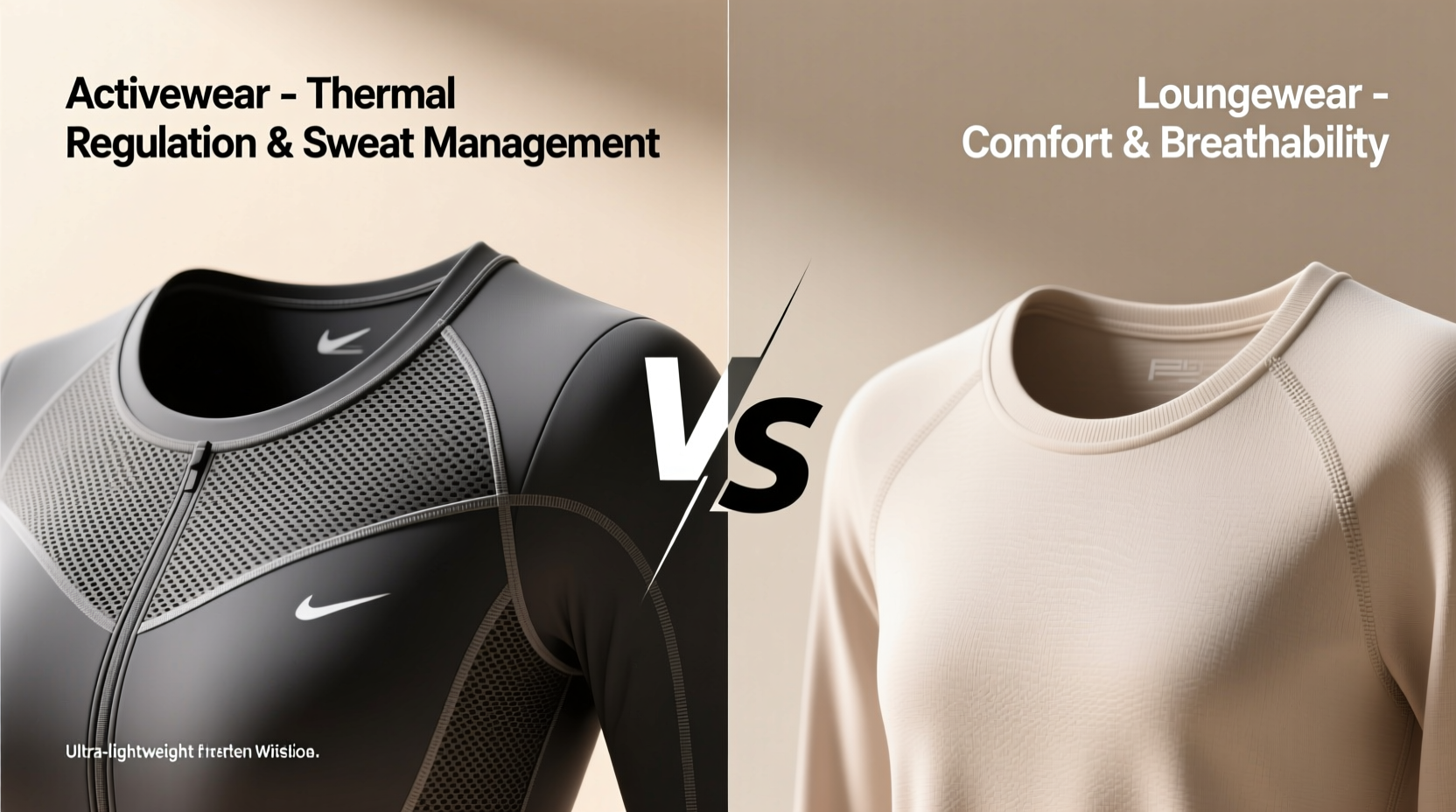
Activewear refers to clothing designed for physical activity—running, training, yoga, or gym sessions. It must support movement, manage sweat, and maintain shape under stress. The core purpose is performance: wicking moisture, regulating temperature, minimizing friction, and offering muscle support.
Loungewear, by contrast, prioritizes relaxation. It's worn at home, during travel, or in casual downtime. Comfort is paramount, but performance features like breathability or compression are secondary. Materials are often plush, brushed, or fleece-backed for coziness rather than function.
While both use synthetic blends and stretch fibers, the intent behind the fabric choice shapes everything from fiber density to seam placement.
Fabric Technology: How They’re Built Differently
The real distinction lies not in appearance but in technical fabric engineering. Activewear fabrics are developed with athletic demands in mind, while loungewear leans toward sensory pleasure.
Mechanical Properties and Fiber Composition
Activewear typically uses high-performance synthetics such as:
- Polyester: Quick-drying, durable, and resistant to UV and abrasion. Often treated with antimicrobial finishes to reduce odor.
- Nylon: Offers excellent elasticity and strength. Frequently blended with spandex for added recovery.
- Spandex (Lycra/Elastane): Provides 4-way stretch and shape retention after repeated strain.
These are engineered into tightly knit, structured weaves that balance compression with breathability. Mesh panels, strategic ventilation zones, and flatlock seams reduce chafing and enhance airflow.
Loungewear, on the other hand, often relies on:
- Cotton-blend fleece: Soft, warm, and absorbent—but slow to dry and prone to pilling.
- Rayon from bamboo or modal: Silky texture with moderate drape, though less resilient over time.
- Microfiber polyester with brushed finish: Mimics softness but can trap heat and retain odors without proper treatment.
The weave is usually looser, maximizing softness at the expense of structure. This makes loungewear more susceptible to stretching out or losing shape after washing.
Moisture Management and Thermal Regulation
One of the most critical differences is how each category handles sweat and body heat.
Activewear employs moisture-wicking technology—micro-channels in the fiber pull sweat away from the skin to the fabric’s outer layer, where it evaporates quickly. Some advanced fabrics even use phase-change materials (PCMs) to stabilize temperature during intense activity.
Loungewear generally absorbs moisture rather than moving it. Cotton-heavy blends soak up sweat, which can lead to dampness and discomfort if worn during light exercise. Without antimicrobial treatments, these fabrics also harbor bacteria more easily, leading to persistent odors.
“Performance fabrics aren’t just about fit—they’re engineered systems. Wicking, breathability, and odor resistance are calculated responses to physiological stress.” — Dr. Lena Torres, Textile Scientist, MIT Materials Lab
Comparative Analysis: Activewear vs Loungewear Fabric Features
| Feature | Activewear | Loungewear |
|---|---|---|
| Primary Function | Support physical performance | Maximize comfort and relaxation |
| Fabric Density | Medium to high (structured knit) | Low to medium (loose, soft knit) |
| Stretch Type | 4-way stretch with recovery | 2-way or limited stretch |
| Moisture Handling | Wicks and evaporates sweat | Absorbs and retains moisture |
| Odor Resistance | Often treated with silver ions or Polygiene® | Rarely treated; prone to odor buildup |
| Durability | High (resists pilling, abrasion) | Moderate to low (prone to pilling, thinning) |
| Seam Construction | Flatlock or bonded seams to prevent chafing | Standard stitching; comfort-focused |
| Thermal Regulation | Breathable, often with ventilation zones | Insulating; may trap heat |
Real-World Implications: When the Wrong Choice Backfires
Choosing loungewear for workouts—or activewear for extended downtime—can lead to unintended consequences. Consider this scenario:
Mini Case Study: The Weekend Warrior’s Mistake
Jamie bought a popular “cloud-soft” lounge legging marketed for “all-day wear.” Intrigued by its comfort, she wore it to a spin class. Within minutes, the fabric clung uncomfortably as sweat soaked into the cotton-rich blend. By mid-class, the waistband had stretched, and the inner thigh area began to pill from friction. After washing, the leggings lost shape and developed an odor that wouldn’t fade—even after multiple cycles.
In contrast, her friend used true activewear made from 88% recycled polyester and 12% spandex. Despite equal intensity, the friend stayed dry, the seams held, and the garment emerged from the wash looking new.
This illustrates a key point: comfort alone doesn’t equate to functionality. Fabric technology determines how a garment performs under stress—and recovers afterward.
How to Choose the Right Fabric for Your Lifestyle
Many people now live hybrid lives—working from home, doing home workouts, commuting occasionally. The ideal wardrobe balances both worlds without sacrificing performance or comfort.
Checklist: Selecting the Right Garment by Purpose
- For High-Intensity Workouts: Look for garments labeled “moisture-wicking,” “compression,” or “performance dry.” Check fabric content—polyester/spandex or nylon/spandex blends are ideal.
- For Low-Impact Movement (e.g., walking, stretching): A hybrid fabric with light wicking and soft hand-feel may suffice. Some brands offer “lite-performance” lines.
- For Home Relaxation: Prioritize softness and warmth. Fleece, brushed cotton, or French terry are appropriate—just avoid wearing them post-sweat.
- For Travel: Seek dual-purpose pieces with wrinkle-resistant, breathable fabrics. Merino wool blends or technical rayon-polyester mixes offer odor resistance and comfort.
- For Transitional Wear (home to errands): Opt for athleisure styles built on activewear foundations but styled like loungewear—think tailored joggers with moisture management.
Emerging Innovations Bridging the Gap
As consumer demand grows for versatile clothing, fabric developers are creating hybrids that merge loungewear comfort with activewear function.
Brands like Lululemon, Vuori, and Girlfriend Collective use proprietary knits such as:
- Nulu™ (Lululemon): Buttery-soft yet sweat-wicking, with abrasion-resistant coating.
- Recycled ECONYL® with brushed interior: Offers the feel of lounge fabric with the durability of swimwear-grade nylon.
- Merino-polyester blends: Naturally antimicrobial, temperature-regulating, and soft against the skin.
Some new textiles integrate biodegradable spandex alternatives like Yingji Q弹 or Roica Eco-Smart™, reducing environmental impact without compromising stretch.
These innovations suggest a future where the activewear-loungewear divide becomes less rigid—but only if consumers understand what to look for.
Frequently Asked Questions
Can I wear loungewear to the gym?
Occasionally, yes—if the session is low-intensity (e.g., stretching or light yoga). However, cotton-heavy loungewear absorbs sweat, increases chafing risk, and lacks support. For regular workouts, invest in proper activewear.
Do all activewear fabrics smell after a few wears?
Not inherently. Odor develops when bacteria thrive in synthetic fibers. Many performance fabrics include antimicrobial treatments (e.g., Polygiene®, SilverTech) to prevent this. Washing with odor-eliminating detergents and air-drying also helps extend freshness.
Is sustainable activewear less effective?
No. Recycled polyester performs nearly identically to virgin polyester in wicking and durability. In fact, some eco-fabrics like TENCEL™ Lyocell offer superior breathability and softness. Sustainability doesn’t mean sacrificing function.
Conclusion: Know the Tech Behind the Comfort
Yes, there is a real difference in fabric technology between activewear and loungewear—one rooted in science, not marketing. Activewear is engineered to move with the body, manage moisture, and endure repeated stress. Loungewear is designed to feel good in moments of rest, prioritizing touch over tenacity.
Choosing the right garment isn’t about labels—it’s about understanding what the fabric does, not just how it feels. Whether you're hitting the pavement or curling up on the couch, your clothes should align with your activity. Investing in technically sound pieces extends their lifespan, enhances comfort, and supports both personal performance and sustainability goals.




 浙公网安备
33010002000092号
浙公网安备
33010002000092号 浙B2-20120091-4
Comments
No comments yet. Why don't you start the discussion?