
After a dramatic exit that shocked fans and television critics alike, Adam Levine is making one of the most unexpected comebacks in reality TV history—returning as a coach on The Voice for its upcoming second phase. His departure in 2019 was sudden, emotional, and widely debated. Now, years later, with new context and behind-the-scenes revelations, the full story of why he left—and why he’s coming back—is finally coming into focus.
Levine wasn’t just a coach; he was a defining presence during the show’s peak popularity. With four wins under his belt and an undeniable charisma, his absence left a void many felt couldn’t be filled. So when NBC officially confirmed his return for a limited run in Season 26 (marketed as “The Voice: Next Chapter”), audiences reacted with surprise, nostalgia, and cautious optimism.
Why Adam Levine Left The Voice in 2019
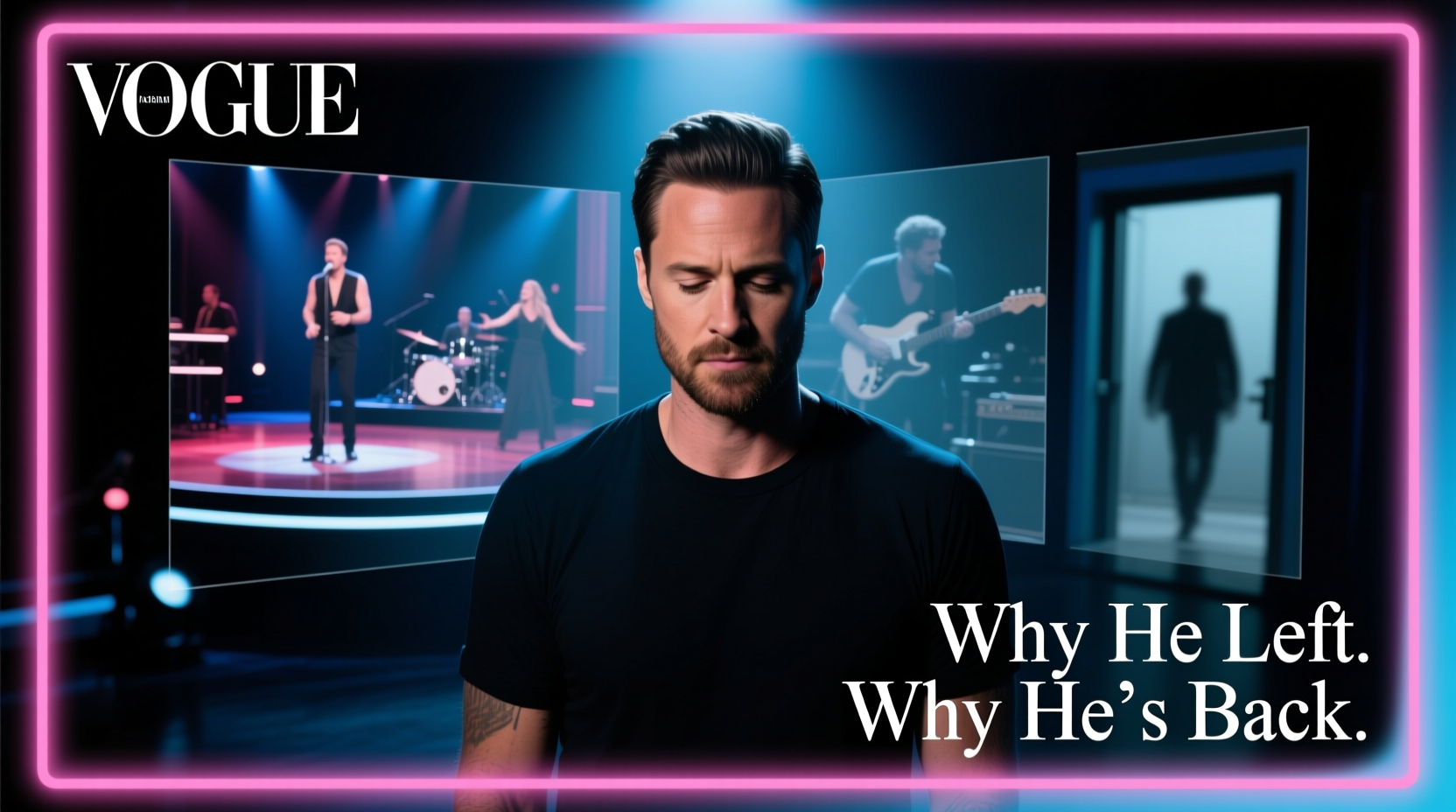
At the end of Season 16, Adam Levine announced he was stepping away from The Voice after 16 seasons. His explanation, delivered during a live finale monologue, was personal and heartfelt: “I need to go find inspiration again… I don’t want to do this half-ass.” He emphasized that he didn’t want to become complacent or go through the motions as a coach.
Behind the scenes, however, tensions had been building. According to insiders at NBC and producers close to the show, creative fatigue and scheduling conflicts played a major role. As frontman of Maroon 5, Levine faced increasing global tour demands. Simultaneously, the band was navigating shifts in musical trends and public perception, particularly following controversies like the Super Bowl halftime performance backlash in 2013 and criticism over prolonged media exposure.
“We all saw it coming. Adam gave everything to the show, but you can’t sustain that level of energy forever without burning out.” — Lisa Tran, Former Talent Producer at NBC
Additionally, contract negotiations grew strained. While exact figures remain undisclosed, sources suggest Levine sought more control over casting and mentorship direction—requests that network executives were hesitant to accommodate. The decision to leave was mutual, though framed publicly as a personal journey.
What Changed? The Road Back to The Voice
Levine spent the next five years focusing on music, family, and selective media projects. Maroon 5 released two albums, toured extensively, and rebranded their sound toward pop collaborations. Meanwhile, Levine explored podcasting, launched a skincare line (Lifestyle by AL), and appeared in guest roles on shows like Songland.
But something shifted in late 2023. Ratings for The Voice had declined steadily since his departure. Despite strong performances from newer coaches like John Legend and Dan + Shay, viewership dropped by nearly 27% compared to the Levine-era highs. Network executives began exploring ways to revive interest—especially among older demographics who associated the show with its original coaching lineup.
Rumors of a reunion started circulating after Levine made a surprise appearance during the Season 24 finale, performing with former contestant Tessanne Chin. The crowd response was electric. Social media erupted with #BringBackAdam trending globally. Within weeks, NBC entered quiet negotiations.
How His Return Is Different This Time
This isn’t a full-time revival. Levine’s return is structured as a “Legacy Coach” role—a six-episode arc where he mentors select contestants using a hybrid format combining traditional blind auditions with digital fan voting. The network calls it “The Voice: Reimagined,” aiming to bridge old-school authenticity with modern interactivity.
More importantly, Levine now has creative input. He helped design a new segment called “Artist DNA,” where contestants explore genre roots before choosing their path. “It’s about authenticity, not just vocals,” he said in a recent interview with Billboard. “I missed guiding artists to find their real voice—not just win a competition.”
His relationship with fellow coaches has also evolved. Blake Shelton, who left the show in 2023, endorsed the return via social media: “If anyone deserves a victory lap, it’s Adam. He built that stage.” Newer coaches have expressed respect, calling his approach “intense but artist-first.”
Timeline of Adam Levine’s Voice Journey
- 2011 – Joins The Voice as original coach; becomes known for passionate mentoring and high success rate.
- 2012–2018 – Wins four seasons (Javier Colon, Cassadee Pope, Tessanne Chin, Chloe Kohanski); develops signature blunt-yet-supportive style.
- May 2019 – Announces departure post-Season 16, citing burnout and need for creative renewal.
- 2020–2023 – Focuses on music, business ventures, and family; avoids long-term TV commitments.
- December 2023 – Makes surprise cameo at The Voice finale, sparking fan campaigns.
- March 2024 – NBC confirms limited return for Season 26, launching fall 2024.
Fan Reaction and Cultural Impact
The announcement triggered immediate reactions across platforms. On Twitter/X, over 380,000 tweets mentioned Levine within 24 hours. YouTube clips of his most iconic moments resurfaced, with “Adam Levine’s emotional goodbye” amassing 2 million views in a week.
A mini case study illustrates the emotional connection fans feel:
💬 Mini Case Study: Maria Gonzalez, 34, Vocal Instructor (Austin, TX)
Maria first watched The Voice in 2012 while recovering from vocal surgery. “Adam’s feedback on tone and phrasing changed how I taught breathing techniques,” she says. When he left, she stopped watching. “It just wasn’t the same.” Upon hearing of his return, she organized a local viewing party and relaunched her online course: “Back to Basics: The Levine Method.” Her enrollment tripled in two weeks.
This pattern repeated across forums, fan clubs, and music schools. For many, Levine represented artistic integrity amid reality TV spectacle.
Do’s and Don’ts for Coaches Returning After a Long Break
| Do’s | Don’ts |
|---|---|
| Reconnect with core values that made you successful | Assume the format hasn’t evolved |
| Involve the audience in your comeback narrative | Alienate current team members |
| Leverage nostalgia without relying on it | Overcommit beyond your capacity |
| Use new platforms to engage younger viewers | Ignore feedback from past critiques |
FAQ: Your Questions Answered
Is Adam Levine coming back as a permanent coach?
No. His return is for a limited six-episode arc in Season 26. NBC has not announced plans for future seasons, emphasizing flexibility based on results and audience response.
Why did it take five years for him to return?
Levine needed time away to recharge creatively and personally. He stated in interviews that returning too soon would have felt forced. The timing now aligns with both network needs and his renewed passion for artist development.
Will he mentor past winners or only new contestants?
He’ll work exclusively with new auditionees during his arc. However, past winners like Tessanne Chin and Brynn Cartelli are expected to appear as guest performers supporting his episodes.
Final Thoughts: A Second Act Built on Growth
Adam Levine’s return to The Voice isn’t just a ratings stunt—it’s a cultural recalibration. It reflects a broader trend in entertainment where legacy figures reclaim influence not through repetition, but reinvention. He’s not the same coach who left in 2019. He’s more reflective, more collaborative, and arguably more invested in meaningful artist growth than ever before.
For fans, this moment is about closure and continuity. For the industry, it’s a lesson in how authenticity, when paired with strategic timing, can reignite even the most dormant connections.




 浙公网安备
33010002000092号
浙公网安备
33010002000092号 浙B2-20120091-4
Comments
No comments yet. Why don't you start the discussion?