
When it comes to building a standout pizza, few toppings deliver as much savory satisfaction as sausage. Whether crumbled, sliced, or layered beneath cheese, sausage adds depth, richness, and texture that elevate even the simplest pie. Yet, despite its popularity, many home cooks make avoidable mistakes—overloading the surface, skipping pre-cooking steps, or choosing the wrong variety for their style of pizza. Understanding how to integrate sausage properly ensures every bite is balanced, flavorful, and free from greasiness or undercooking. This guide explores the essential techniques, types, and timing strategies for using sausage effectively on any pizza, from Neapolitan-style thin crusts to deep-dish behemoths.
Definition & Overview
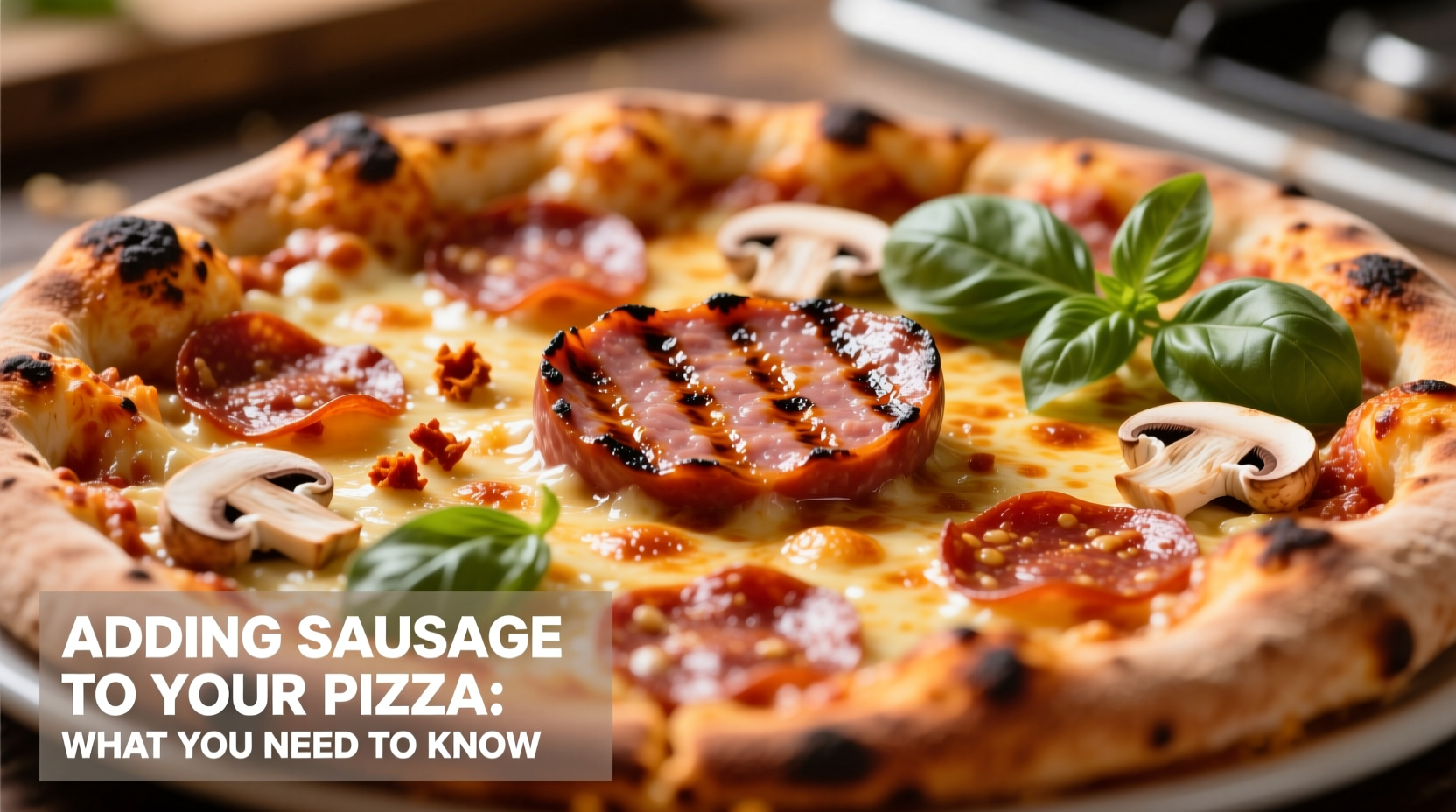
Sausage, in the context of pizza, typically refers to seasoned ground meat—most commonly pork—that has been flavored with herbs and spices such as fennel, garlic, paprika, and black pepper. It may be sold raw or pre-cooked, in casings or bulk form, and varies widely by regional tradition. On pizza, sausage functions both as a protein anchor and a flavor amplifier, contributing umami, fat, and aromatic complexity.
The most common form used on American pizzerias is Italian sausage—either sweet (flavored primarily with fennel) or hot (with added red pepper flakes). However, global variations like chorizo, merguez, bratwurst, andouille, and even plant-based alternatives are increasingly appearing on creative menus. Regardless of origin, sausage must be treated with care during preparation to maximize flavor while minimizing excess moisture and oil release during baking.
Key Characteristics
Understanding the sensory and functional properties of sausage helps determine how best to use it on pizza. Below is a breakdown of its core attributes:
| Characteristic | Description |
|---|---|
| Flavor Profile | Savory, fatty, aromatic; often dominated by fennel, garlic, and black pepper in Italian styles. Spiciness varies by type. |
| Aroma | Richly meaty when cooked, with herbal notes (especially anise-like fennel) and smoky undertones if smoked. |
| Texture | Crumbly when browned, firm when sliced (if in casing), or chewy if smoked or dried. |
| Fat Content | High (20–30%), which enhances flavor but can lead to greasy pizzas if not managed. |
| Heat Level | Varies: Sweet Italian = mild; Hot Italian = medium heat; Chorizo/Merguez = medium to high. |
| Culinary Function | Protein base, flavor enhancer, textural contrast, fat contributor. |
| Shelf Life (Raw) | 1–2 days refrigerated; up to 3 months frozen. |
| Shelf Life (Cooked) | 3–4 days refrigerated; 2–3 months frozen. |
Practical Usage: How to Use Sausage on Pizza
Using sausage effectively requires more than just placing raw chunks on dough. The goal is to balance flavor development with structural integrity, ensuring the topping integrates well without compromising crust crispness or creating sogginess.
Step-by-Step Guide to Adding Sausage to Pizza
- Select the Right Form: For most homemade pizzas, bulk (casing-free) raw sausage is ideal because it browns evenly and disperses well. If using links, remove the casing before cooking.
- Pre-Cook Thoroughly: Raw sausage should always be browned before going onto the pizza unless you're making deep-dish or Sicilian styles where longer bake times allow full doneness. Sauté in a skillet over medium heat until no pink remains and fat renders out (about 6–8 minutes).
- Drain Excess Fat: After browning, transfer the sausage to a paper towel-lined plate to absorb excess grease. Skipping this step risks pooling oil on the finished pizza.
- Cool Before Application: Allow cooked sausage to cool slightly before placing on sauced dough. Hot meat can prematurely soften the cheese or cause steam buildup under toppings.
- Distribute Evenly: Crumble or pinch the sausage into small, pea-sized pieces and scatter uniformly across the pizza. Avoid clumping, which leads to uneven cooking and localized greasiness.
- Layer Strategically: In standard thin-crust pizzas, place sausage directly on sauce, then cover lightly with cheese to help bind flavors. In deep-dish, layer sausage below cheese to prevent drying.
- Bake Immediately: Once assembled, bake the pizza promptly to minimize moisture migration from toppings into the dough.
Pro Tip: For extra flavor depth, deglaze the sausage pan with a splash of dry white wine or crushed tomatoes after browning. Reduce briefly, then mix the liquid into the sausage before cooling. This builds a richer base that infuses the entire pie.
Professional Techniques Used in Pizzerias
- Pan-Roasting for Crisp Edges: High-volume pizzerias often finish sausage under a salamander broiler or in a deck oven to create caramelized, crispy morsels—a texture highly prized by customers.
- Flavor Infusion: Some chefs render sausage slowly at low heat to extract fat, then use that flavored oil to brush the crust edge or mix into tomato sauce.
- Portion Control: Commercial kitchens weigh sausage portions (typically 3–4 oz per 12-inch pizza) to maintain consistency and cost efficiency.
Pairing Suggestions
Sausage pairs exceptionally well with ingredients that cut through its richness or complement its herbal notes:
- Cheeses: Mozzarella (melts well), provolone (adds sharpness), ricotta (creamy contrast), Parmesan (umami boost).
- Veggies: Bell peppers, onions, mushrooms, roasted garlic, spinach, banana peppers.
- Acidic Elements: Crushed tomatoes, arrabbiata sauce, pickled jalapeños, fresh arugula added post-bake.
- Herbs: Basil, oregano, thyme—especially when added after baking to preserve aroma.
Variants & Types of Sausage for Pizza
Not all sausages are interchangeable. Each type brings distinct characteristics that suit different pizza styles.
Common Sausage Varieties and Their Uses
| Type | Flavor Notes | Best Pizza Style | Preparation Needed |
|---|---|---|---|
| Sweet Italian Sausage | Fennel-forward, mildly spiced, rich pork flavor | All styles, especially New York and thin crust | Brown and drain before use |
| Hot Italian Sausage | Same as sweet, plus red pepper flakes for heat | Spicy pies, meat lovers, Detroit-style | Brown and drain before use |
| Chorizo (Spanish) | Smoky, paprika-heavy, firm texture | Tapas-inspired, rustic flatbreads | Partially cook if raw; slice thin if cured |
| Chorizo (Mexican) | Spicy, tangy, heavily seasoned with vinegar and chili | Fusion tacos-pizza hybrids, bold flavor profiles | Must be fully cooked and drained |
| Merguez | Lamb-based, North African spices (cumin, harissa) | Mediterranean or fusion pizzas | Cook thoroughly due to lamb content |
| Andouille | Smoky, coarse, Cajun-spiced | BBQ chicken-style, Creole-inspired pizzas | Pre-cooked; slice and crisp slightly |
| Bratwurst | Garlicky, mild, often contains veal or pork | German-inspired, beer-cheese combos | Parboil or grill first, then slice |
| Plant-Based Sausage | Varies by brand; often fennel and spice mimics | Vegan/vegetarian pizzas | Most are pre-cooked; warm before adding |
Choosing the right variant depends on the desired flavor profile and cultural theme of the pizza. For example, merguez works beautifully with preserved lemon and olives on a North African flatbread, while andouille shines alongside smoked gouda and barbecue sauce.
Comparison with Similar Ingredients
Sausage is often confused with other meat toppings. Understanding the differences ensures proper substitution and usage.
| Ingredient | Differences from Sausage | When to Use Instead |
|---|---|---|
| Pepperoni | Drier, cured, thinly sliced, higher sodium, naturally spicy. Pre-cooked and shelf-stable. | For quick assembly, crispy edges, classic NY slices. |
| Bacon | Smoked pork belly, streakier fat, sweeter smoke profile. Often pre-cooked. | Breakfast pizzas, with eggs and maple drizzle. |
| Ground Beef | Less seasoned, lower fat unless specified, neutral flavor. | Hawaiian (with ham), budget-friendly meat pizzas. |
| Chicken Sausage | Leaner, less rich, often pre-cooked and sliced. Milder flavor. | Lighter pizzas, health-conscious options. |
| Salami | Firm, aged, air-dried, served raw. Chewier texture. | Charcuterie-style pizzas, antipasto combinations. |
“Sausage isn’t just a topping—it’s a flavor foundation. When properly rendered and seasoned, it becomes the backbone of the pizza, influencing everything from sauce balance to cheese selection.” — Marco Santini, Executive Chef, Bella Forno Pizzeria
Practical Tips & FAQs
How much sausage should I use per pizza?
For a standard 12-inch pizza, 3 to 4 ounces (85–115g) of raw sausage yields about 2.5 to 3.5 ounces once cooked. This provides ample flavor without overwhelming the pie. Adjust based on personal preference or style—deep-dish may accommodate up to 6 ounces.
Can I put raw sausage directly on pizza?
Only if the pizza will bake for an extended time (e.g., deep-dish, Sicilian, or thick-crust styles baked at 400°F+ for 20+ minutes). Otherwise, raw sausage may not cook through fully, posing a food safety risk. Always pre-cook for thin crusts, wood-fired, or fast-baked pizzas.
Why does my sausage pizza come out greasy?
Excess fat is the primary culprit. To reduce greasiness: (1) choose leaner sausage (15–20% fat), (2) brown thoroughly and drain well, (3) blot with paper towels, and (4) avoid overloading the surface. Consider placing a light layer of cheese or breadcrumbs under the sausage to absorb residual oil.
Can I freeze cooked sausage for later pizza use?
Yes. Cool completely, store in an airtight container or freezer bag, and freeze for up to 3 months. Thaw overnight in the refrigerator before use. Re-crisp in a skillet if needed.
What’s the best way to get crispy sausage bits?
Spread cooked, crumbled sausage in a single layer on a baking sheet and bake at 400°F for 8–10 minutes before adding to pizza. Alternatively, finish the assembled pizza under a broiler for 1–2 minutes to crisp the surface.
Are there vegetarian alternatives that mimic sausage well?
Yes. Brands like Beyond Meat, Impossible, and Field Roast offer plant-based sausages with strong fennel and spice profiles. These require less fat management and are often pre-cooked, making them convenient. Crumble and warm before applying.
Does casing matter?
For pizza, casings are generally removed. Natural casings can become tough or chewy when baked, and hinder even browning. Remove by slicing lengthwise and peeling back the casing before crumbling or slicing the meat.
Storage Tip: Store uncooked sausage in its original packaging in the coldest part of the fridge (≤40°F). Use within 1–2 days. For longer storage, wrap tightly in plastic and freeze for up to 3 months. Label with date.
Summary & Key Takeaways
Adding sausage to your pizza is a simple act with significant culinary implications. Done poorly, it results in greasy, uneven, or undercooked bites. Done well, it transforms the pizza into a harmonious blend of richness, spice, and texture.
- Sausage is a seasoned, high-fat meat product that enhances flavor and mouthfeel but requires careful handling to avoid excess oil.
- Always pre-cook and drain raw sausage before placing it on thin or fast-baked pizzas to ensure food safety and optimal texture.
- Choose the type of sausage based on the desired flavor profile—sweet, hot, smoky, or international—and pair accordingly with cheeses, sauces, and vegetables.
- Distribute sausage evenly in small pieces to promote uniform browning and integration with other toppings.
- Understand the difference between sausage and similar meats like pepperoni, bacon, and salami to make informed substitutions.
- Store raw and cooked sausage properly to maintain freshness and prevent spoilage.
Mastering the art of sausage application elevates your pizza-making from casual to professional caliber. Whether you’re crafting a weekend dinner or replicating your favorite pizzeria’s signature pie, attention to detail—from selection to sear—makes all the difference.
Now that you know the essentials, fire up your oven and craft a sausage pizza that balances flavor, texture, and technique perfectly.




 浙公网安备
33010002000092号
浙公网安备
33010002000092号 浙B2-20120091-4
Comments
No comments yet. Why don't you start the discussion?