
Choosing the right accessory for your dog goes beyond style—it’s about safety, comfort, and practicality. Pet neckties, often worn for special occasions or as part of a coordinated outfit, come in two main styles: adjustable and fixed. While both serve the same aesthetic purpose, their functionality differs significantly. Understanding these differences can help you decide whether the flexibility of an adjustable necktie justifies its typically higher cost and more complex design.
Understanding Pet Necktie Types
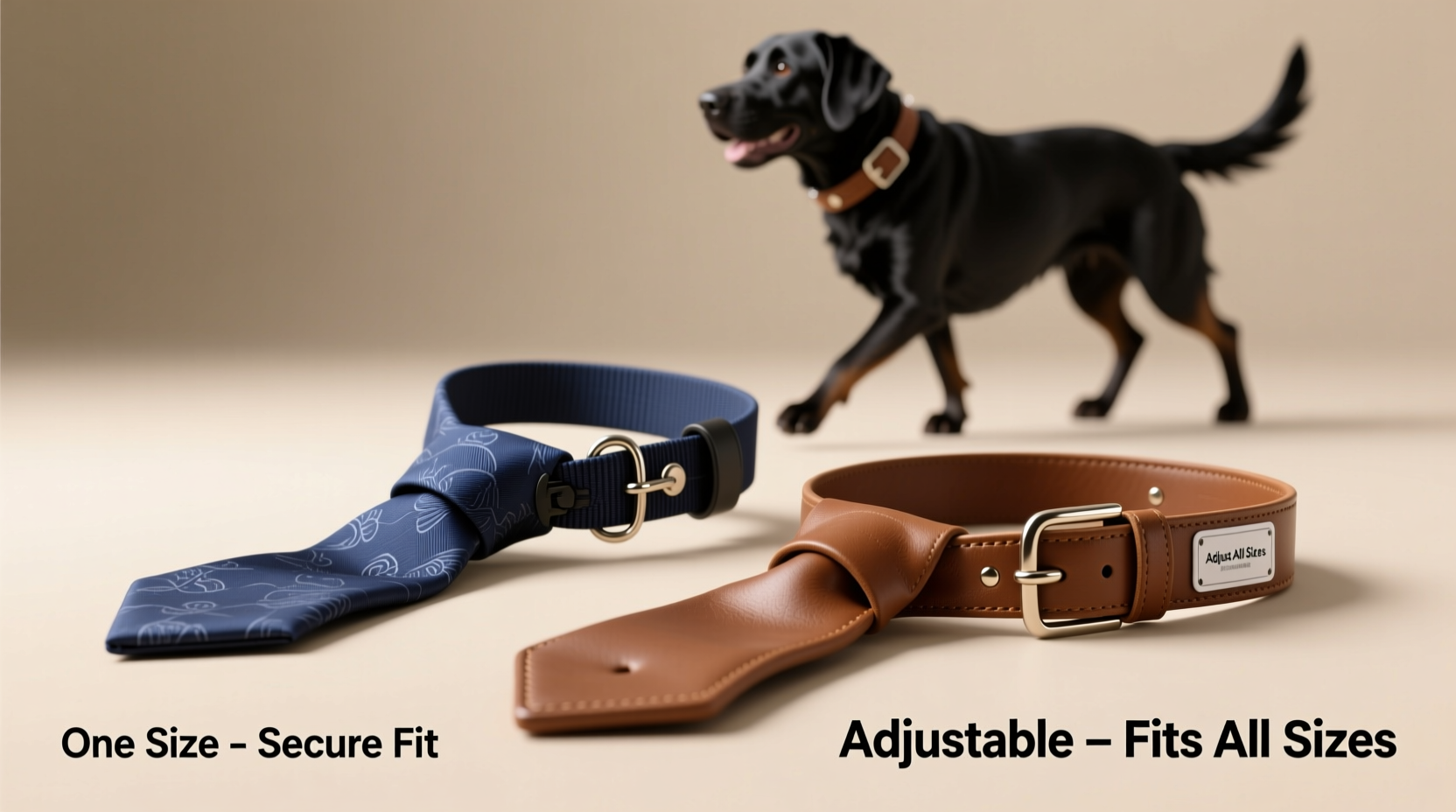
Pet neckties are decorative accessories designed to mimic human formalwear. They attach around a dog’s collar or directly around the neck and are popular during weddings, photo shoots, holidays, or themed events. Despite their fashion-forward appearance, they must be functional and safe.
Fixed neckties are pre-sized and non-adjustable. They’re usually made from stiffened fabric with a loop or clip that fastens behind the collar. Because they come in set sizes—small, medium, large—they rely on accurate sizing to ensure a proper fit.
Adjustable neckties, on the other hand, feature sliding knots, hook-and-loop closures (like Velcro), or elastic bands that allow customization around the neck or collar. This adaptability makes them suitable for dogs with unique neck proportions or those who wear different collars for different occasions.
Comfort and Fit: Why Adjustability Matters
A well-fitting necktie should sit snugly without restricting movement, breathing, or swallowing. Even minor discomfort can lead to pawing, agitation, or attempts to remove the accessory—sometimes resulting in injury or damage to the tie.
Dogs vary widely in body structure. Two dogs of the same breed and weight may have different neck thicknesses due to muscle tone, fur density, or posture. A fixed-size necktie might be too tight on one dog and too loose on another—even within the same size category.
“Proper fit isn’t just about aesthetics; it’s a welfare issue. An ill-fitting accessory can cause chafing, restricted blood flow, or even panic in sensitive dogs.” — Dr. Lena Torres, Veterinary Behavior Specialist
Adjustable neckties reduce this risk by allowing owners to fine-tune the fit. This is especially valuable for breeds with thick ruffs (like Huskies or Chow Chows) or slim necks relative to head size (such as Greyhounds).
Comparing Adjustable and Fixed Neckties: Key Differences
| Feature | Adjustable Necktie | Fixed Necktie |
|---|---|---|
| Fitting Precision | High – customizable to exact neck or collar size | Low to Medium – depends on standard sizing accuracy |
| Comfort Level | Generally higher due to tailored fit | Varies; risk of being too tight or loose |
| Durability | Moderate – moving parts may wear over time | High – simpler construction with fewer failure points |
| Price | Higher – due to added materials and mechanisms | Lower – mass-produced with minimal components |
| Versatility | High – works across multiple collars or dogs | Low – limited to specific size or collar type |
| Aesthetic Consistency | May shift slightly if not secured properly | Stays in place once fitted correctly |
Real-Life Example: Choosing for a Rescue Dog
Sarah adopted Max, a mixed-breed terrier with an unusually broad neck for his body size. Most small-to-medium fixed neckties either choked him or slipped off entirely. After two uncomfortable outings, she switched to an adjustable bow tie with a soft Velcro strap. By customizing the fit around his wide collar, she achieved both security and comfort. “It was night and day,” she said. “He stopped pawing at it immediately, and now he wears it proudly during family photos.”
This scenario illustrates how adjustability solves real-world fitting challenges—especially for rescue dogs, mixed breeds, or pets with atypical proportions.
When a Fixed Necktie Makes Sense
Despite the benefits of adjustability, fixed neckties still have their place. They are ideal for:
- Dogs with standard proportions and consistent collar use
- Occasional wear where precision isn’t critical
- Budget-conscious owners seeking affordable options
- Photography props used briefly under supervision
Many pet boutiques and online retailers offer fixed neckties in bulk packs, making them cost-effective for events involving multiple dogs, such as wedding parties or holiday shoots.
Step-by-Step Guide to Choosing the Right Necktie
- Measure your dog’s neck: Use a soft tape measure just below the ears, where the collar normally sits. Add half an inch for comfort.
- Check collar compatibility: Determine whether the necktie attaches over the collar or directly to the neck.
- Evaluate material quality: Look for breathable fabrics like cotton or soft polyester. Avoid stiff plastics or rough seams.
- Test adjustability mechanism: For adjustable ties, ensure the closure is secure but easy to open in case of emergency.
- Supervise initial use: Let your dog wear the necktie indoors for short periods to assess comfort and behavior.
- Inspect regularly: Check for fraying, loosening straps, or signs of irritation after each use.
Expert Recommendations and Care Tips
Veterinarians and professional groomers consistently emphasize that any accessory should prioritize function over fashion. “If a dog seems distressed by a necktie, it’s not worth the photo,” says grooming expert Marcus Lee. “The goal is confidence, not coercion.”
To extend the life of any pet necktie:
- Hand wash gently with mild detergent and air dry
- Store flat or rolled—not folded—to prevent creasing
- Keep away from direct sunlight to avoid fading
- Rotate between multiple ties to reduce wear on a single piece
Frequently Asked Questions
Can I leave a necktie on my dog unattended?
No. Pet neckties should only be worn under direct supervision. Unattended wear increases the risk of entanglement, choking, or ingestion if chewed.
Are adjustable neckties safe for puppies?
Only if properly fitted and used briefly. Puppies grow quickly, so frequent fit checks are essential. Avoid overly complex mechanisms that could snag fur or skin.
Do neckties interfere with identification tags?
Some designs may cover or displace tags. Always ensure ID and vaccination tags remain visible and accessible when using any accessory.
Final Checklist Before Buying
- ✅ Measure your dog’s neck accurately
- Use a flexible tape and account for fur thickness.
- ✅ Confirm attachment method
- Over-collar clips are easier to use than neck-loop styles.
- ✅ Prioritize soft, breathable materials
- Avoid synthetic blends that trap heat or irritate skin.
- ✅ Choose secure but quick-release closures
- Especially important for adjustable models.
- ✅ Read return policies
- In case the fit or comfort doesn’t meet expectations.
Conclusion: Is Adjustability Worth It?
For most dogs, especially those with non-standard builds or sensitive temperaments, the answer is yes—adjustable pet neckties are worth the investment. The ability to customize fit enhances comfort, reduces stress, and minimizes health risks. While fixed neckties offer simplicity and lower cost, they lack the adaptability needed for reliable, long-term use.
Ultimately, the best choice balances safety, fit, and function. Whether you opt for adjustable or fixed, always put your dog’s well-being first. A happy, comfortable pet looks better in any accessory than one forced into fashion.




 浙公网安备
33010002000092号
浙公网安备
33010002000092号 浙B2-20120091-4
Comments
No comments yet. Why don't you start the discussion?