
Raising baby chicks is one of the most rewarding experiences for backyard poultry keepers. The first few weeks are critical—chicks need warmth, safety, and a clean environment to thrive. One of the most overlooked yet essential components of chick care is brooder bedding. The right material keeps them dry, prevents disease, and supports healthy development. But with so many options available, how do you choose what’s both effective and budget-friendly? The answer lies in balancing comfort, absorbency, availability, and cost.
The ideal brooder bedding must wick moisture away from droppings, provide insulation, be non-slip to prevent leg injuries, and pose no respiratory risks. Many new poultry owners make the mistake of using materials that seem convenient but end up causing health issues or requiring constant replacement. This guide explores practical, tested bedding solutions that deliver comfort without breaking the bank.
Key Qualities of Effective Brooder Bedding
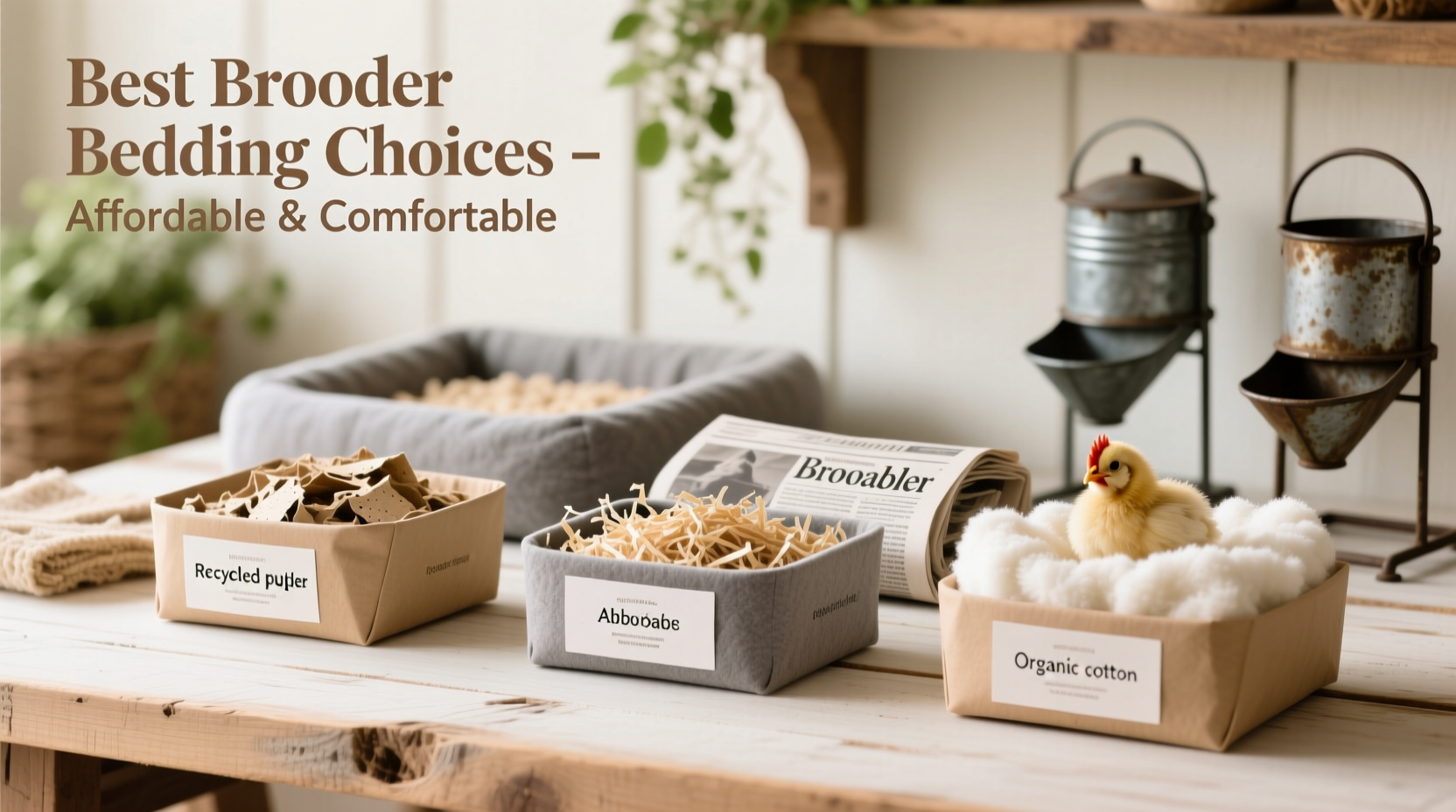
Before diving into specific materials, it's important to understand what makes a bedding option truly suitable for young chicks. Chicks are fragile, and poor bedding can lead to chilling, infections like pasty butt, or even splayed legs due to slippery surfaces. The following criteria should guide your selection:
- Absorbency: High moisture absorption helps control ammonia buildup from droppings.
- Texture: A slightly coarse surface gives chicks traction and supports proper leg development.
- Dust Level: Low-dust materials reduce respiratory irritation in delicate airways.
- Availability: Locally sourced or common household materials lower costs and simplify restocking.
- Cost: Affordable per use, especially since bedding must be changed frequently in the early days.
- Safety: Non-toxic, mold-free, and free of sharp particles or chemical treatments.
Top Affordable and Comfortable Bedding Options
Based on real-world use and expert recommendations, several bedding types stand out for combining performance and value. Here’s a detailed comparison of the most reliable choices:
| Material | Absorbency | Traction | Cost (per sq ft) | Notes |
|---|---|---|---|---|
| Pine Shavings (Small Animal Grade) | High | Excellent | $0.15–$0.25 | Widely recommended; ensure kiln-dried and dust-extracted. |
| Paper Towels (First 3–5 Days) | Moderate | Good | $0.10–$0.20 | Ideal starter layer; replace every 12–24 hours. |
| Unprinted Newsprint / Recycled Paper | Medium | Fair | $0.05–$0.10 | Low-cost; needs frequent changing; layer over towels initially. |
| Hemp Bedding | Very High | Good | $0.30–$0.40 | Eco-friendly and highly absorbent but pricier than pine. |
| Straw | Low | Poor | $0.10–$0.15 | Avoid for young chicks—can harbor mold and lacks absorbency. |
While hemp offers superior performance, its higher price point makes it less accessible for large broods or long-term use. Pine shavings remain the gold standard for affordability and function when used correctly. For the first critical days, paper towels offer unmatched visibility and hygiene, allowing you to monitor droppings and detect health issues early.
Step-by-Step Setup: Creating a Safe and Comfortable Brooder Floor
Proper installation matters as much as material choice. Follow this sequence to build a secure, hygienic base for your chicks:
- Start with paper towels covering the entire brooder floor for the first 3–5 days. This provides grip and allows easy monitoring of chick droppings.
- Layer pine shavings (1–2 inches deep) over the towels after day five, once chicks are more mobile and stable on their feet.
- Spot-clean daily by removing wet or soiled sections, especially under the waterer.
- Replace heavily soiled areas completely every 2–3 days to maintain dryness.
- Ensure edges are raised slightly if using a plastic tote to prevent bedding from being kicked out.
This hybrid method combines the best of both worlds: hygiene in the vulnerable newborn phase and long-term comfort and absorbency as chicks grow.
Real-World Example: A Backyard Keeper’s Success Story
Sarah M., a small-scale poultry keeper in Oregon, started with ten heritage breed chicks last spring. Her previous attempt had ended poorly—two chicks developed splayed legs, and another succumbed to respiratory distress. After researching, she realized her use of aromatic cedar mulch and straw was the likely culprit.
This time, she followed a strict bedding protocol: paper towels for the first week, then switched to kiln-dried pine shavings from a local farm supply store. She added a mesh-bottomed feeder platform to reduce litter contamination and cleaned droppings twice daily. By day 14, all chicks were active, feathering well, and showed no signs of illness. “The difference was night and day,” she said. “They had better grip, stayed drier, and I could actually see when someone wasn’t pooping right.”
Her total bedding cost for the five-week brooding period was under $25—a modest investment for a full hatch survival rate.
Expert Insight on Poultry Health and Environment
“Chick mortality in backyard flocks is often tied to environmental stressors, not genetics or disease. Proper bedding reduces ammonia exposure, prevents chilling, and supports musculoskeletal development. Never underestimate the impact of a dry, non-slip floor.” — Dr. Rebecca Lang, Avian Veterinarian and Poultry Extension Specialist, University of Maine
Dr. Lang emphasizes that while heat and nutrition are priorities, the flooring plays an equally vital role. Poor traction leads to leg deformities, while damp bedding encourages bacterial growth and respiratory conditions. She recommends starting simple and upgrading only if needed—paper and pine shavings meet nearly all requirements for typical home setups.
Common Mistakes to Avoid
Even well-intentioned caretakers can fall into traps when selecting bedding. These errors compromise chick health and increase long-term costs:
- Using cedar or treated wood products: Toxic compounds cause lung damage and high mortality.
- Overfilling with straw or hay: These retain moisture and promote mold spores.
- Waiting too long to change bedding: Ammonia buildup begins within 24 hours in damp spots.
- Skipping the paper towel stage: Newborns can slip on loose bedding, leading to leg splay.
- Using clumping cat litter or sand: Both pose ingestion and impaction risks for curious chicks.
FAQ
Can I reuse brooder bedding after chicks move out?
No. Used brooder bedding contains pathogens, parasites, and high nitrogen levels from droppings. It should be composted (if not contaminated with disease) or disposed of safely. Never reuse it for new chicks.
How thick should the bedding layer be?
For pine shavings, aim for 1–2 inches. Too thin, and it won’t insulate or absorb well; too thick, and chicks may burrow and overheat near the heat source.
Is shredded newspaper safe?
Only if it’s unprinted or uses soy-based ink. Avoid glossy pages or colored inserts, which may contain harmful chemicals. Even then, it breaks down quickly when wet—best used as a top layer over towels.
Checklist: Choosing and Maintaining Brooder Bedding
- ☐ Use paper towels for the first 3–5 days
- ☐ Switch to kiln-dried pine shavings after initial week
- ☐ Avoid cedar, straw, and cat litter
- ☐ Spot-clean soiled areas daily
- ☐ Replace bedding fully every 2–3 days
- ☐ Monitor for dampness, odor, and chick mobility
- ☐ Keep waterer elevated on a non-slip surface
Conclusion
Selecting the best brooder bedding doesn’t require exotic materials or high expenses. The most effective solutions—paper towels and pine shavings—are accessible, safe, and proven by generations of poultry keepers. By focusing on simplicity, hygiene, and chick comfort, you create a foundation for strong, healthy birds ready for outdoor life. Small investments in quality bedding pay off in reduced vet bills, stronger immune systems, and higher survival rates. Start with what works, observe your chicks closely, and adjust as needed. Your flock’s long-term health begins at the very bottom of the brooder.




 浙公网安备
33010002000092号
浙公网安备
33010002000092号 浙B2-20120091-4
Comments
No comments yet. Why don't you start the discussion?