
Freshly squeezed orange juice in the morning, a splash of lime in your cocktail, or lemon zest in your salad dressing—citrus brings brightness to everyday meals. But few things are more frustrating than struggling with a flimsy, inefficient juicer that leaves half the juice behind. The good news is you don’t need an expensive electric appliance to get the most out of your citrus. Affordable and durable hand juicers offer a simple, effective solution for effortless squeezing—without cluttering your kitchen or breaking the bank.
With so many models on the market, from cone presses to lever juicers and reamers, choosing the right one can be overwhelming. This guide cuts through the noise, focusing on hand juicers that balance cost, longevity, and performance. Whether you're a daily juicer or just want something reliable for occasional use, the right tool makes all the difference.
Why Hand Juicers Still Matter in the Age of Appliances
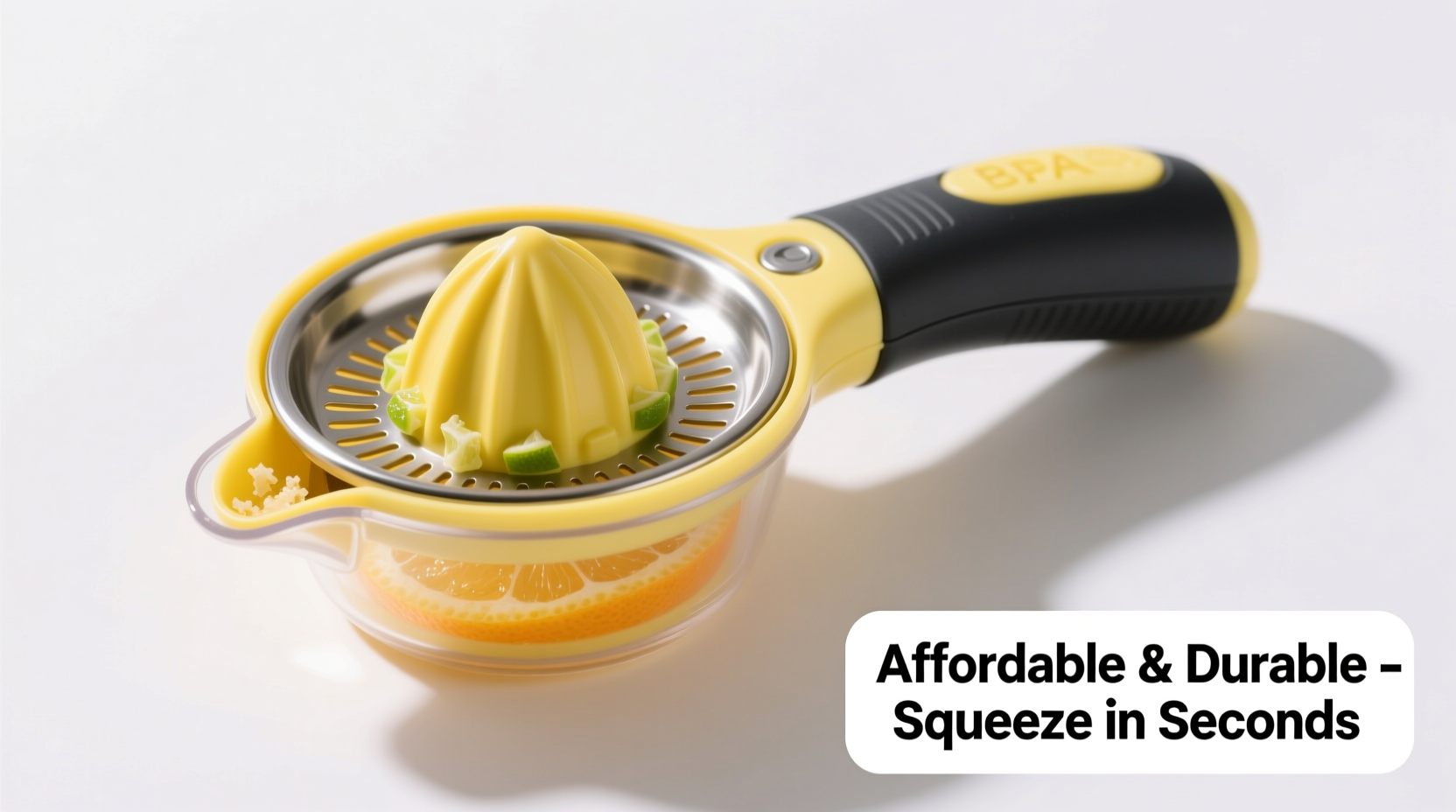
In an era dominated by high-speed blenders and electric juicers, hand-powered models remain a staple in kitchens worldwide. Their appeal lies in simplicity: no cords, no cleanup hassles, and no wasted counter space. More importantly, well-designed hand juicers extract juice efficiently while preserving flavor—something even some electric models struggle with.
According to culinary expert Maria Tran, “A good hand juicer gives you control over pressure and pulp retention. You’re not just extracting juice—you’re crafting it.”
“Some of the best-tasting citrus juice comes from a 5-dollar reamer used properly. Technique matters more than horsepower.” — Maria Tran, Culinary Equipment Specialist
Beyond flavor, hand juicers are environmentally friendly. They require no electricity, generate minimal waste, and often last decades when made from quality materials like stainless steel or solid wood.
Key Features of a Durable, Affordable Hand Juicer
Not all inexpensive juicers are created equal. Many budget options fail due to weak construction, poor ergonomics, or rust-prone materials. To find a truly worthwhile model, focus on these five attributes:
- Material durability: Stainless steel, food-grade aluminum, or solid wood handles resist corrosion and wear.
- Ergonomic design: A comfortable grip reduces hand fatigue, especially during repeated use.
- Stability: Non-slip bases or weighted bodies prevent wobbling during pressing.
- Efficiency: Sharp ridges or well-shaped cones maximize juice extraction with minimal effort.
- Easy cleaning: Smooth surfaces without crevices allow quick rinsing or dishwasher safety.
Top 5 Affordable & Durable Hand Juicers Compared
The following models have earned consistent praise across user reviews, durability tests, and professional kitchen evaluations. All are priced under $25 and built to last.
| Model | Price Range | Material | Durability Rating (1–5) | Best For |
|---|---|---|---|---|
| OXO Good Grips Citrus Press | $18–$22 | Plastic body, stainless steel cone | ⭐️⭐️⭐️⭐️☆ | Daily household use; excellent grip |
| Bellemain Stainless Steel Lemon Squeezer | $15–$20 | Full stainless steel | ⭐️⭐️⭐️⭐️⭐ | Heavy-duty use; resists rust |
| Zulay Kitchen Premium Citrus Reamer | $12–$16 | Cast zinc with ergonomic handle | ⭐️⭐️⭐️⭐☆ | Budget-conscious buyers; efficient extraction |
| Reston Lloyd Wooden Lemon Press | $20–$25 | Solid acacia wood base + metal cone | ⭐️⭐️⭐️⭐☆ | Aesthetic appeal; natural material lovers |
| Simple Simon Manual Citrus Juicer | $10–$14 | Aluminum press with plastic stand | ⭐️⭐️⭐☆☆ | Occasional use; compact storage |
The Bellemain and OXO models stand out for their combination of affordability and long-term reliability. The Bellemain’s all-metal build ensures resistance to warping and cracking, while OXO’s soft-grip handle reduces strain—a key benefit for those with arthritis or limited hand strength.
How to Use a Hand Juicer for Maximum Efficiency
Even the best juicer underperforms if used incorrectly. Follow this step-by-step process to extract every drop with minimal effort.
- Select ripe citrus: Choose fruits that feel heavy for their size and have thin, smooth skin. Overly thick rinds reduce juice yield.
- Roll before cutting: Place the fruit on a hard surface and roll it back and forth with firm pressure using your palm.
- Cut crosswise: Slice horizontally across the equator, not stem-to-end. This exposes more juice sacs.
- Position correctly: Center the cut side over the juicer cone or press plate. Misalignment causes slipping and inefficiency.
- Apply steady pressure: Twist slowly and consistently. Let the tool do the work—avoid jerky motions.
- Strain if needed: Use a small mesh strainer to remove seeds and excess pulp, unless you prefer texture.
- Clean immediately: Rinse the juicer after each use to prevent citric acid buildup, which can corrode metal over time.
Real-World Example: How a Small Café Reduced Waste with Hand Juicers
Café Solara, a neighborhood coffee shop in Austin, Texas, previously relied on pre-bottled citrus juices to save time. However, customers complained about artificial taste, and spoilage led to $200 in monthly waste. After switching to manual juicing, they invested in three Bellemain stainless steel presses at $18 each.
Within six weeks, juice waste dropped by 60%. Baristas reported faster service once trained in proper rolling and pressing techniques. “Our margaritas and breakfast spritzers taste fresher, and customers notice,” said manager Luisa Mendez. “Plus, we’ve saved over $700 in supply costs in four months.”
The initial hesitation about labor was unfounded—the entire team adapted quickly, and the durable juicers showed no signs of wear after eight months of triple-shift use.
Common Mistakes That Shorten Your Juicer’s Life
Even sturdy juicers degrade prematurely when misused. Avoid these common errors:
- Using on unripe or overly hard citrus: Green limes or cold-stored lemons resist juicing and strain the mechanism.
- Ignoring post-use cleaning: Residual acid eats away at metal components and dulls ridges over time.
- Applying uneven pressure: Sideways force on reamers can bend or crack the cone.
- Storing near moisture: Dishwashers are convenient, but frequent cycles degrade plastic parts. Air-dry thoroughly.
Checklist: Choosing and Maintaining Your Hand Juicer
Before buying or after purchasing, run through this checklist to ensure lasting value:
- ✅ Made from rust-resistant materials (stainless steel preferred)
- ✅ Has a non-slip base or secure grip
- ✅ Fits comfortably in your hand without strain
- ✅ Easy to disassemble or clean (if applicable)
- ✅ Priced under $25 with positive long-term reviews
- ✅ Stored in a dry cabinet, not under the sink
- ✅ Rinsed immediately after each use
- ✅ Inspected monthly for wear or corrosion
Frequently Asked Questions
Can a hand juicer handle grapefruits effectively?
Yes, but only certain models. Look for wide, deep cones or lever-style presses designed for larger fruit. Standard reamers may struggle with grapefruit’s tough membranes.
Are plastic-handled juicers less durable than metal ones?
Not necessarily. High-quality plastics like those used in OXO products are engineered for resilience. However, avoid cheap, hollow-feeling models—they crack under repeated pressure.
How long should a good hand juicer last?
A well-maintained stainless steel or solid zinc juicer can last 10 years or more. Even budget models should function reliably for 3–5 years with regular care.
Make Fresh Juice a Daily Joy, Not a Chore
Fresh citrus juice shouldn’t be reserved for special occasions or complicated routines. With an affordable, durable hand juicer, you gain instant access to vibrant flavors, zero waste, and the satisfaction of doing it right—with your own hands. The best tools aren’t always the flashiest. They’re the ones that work consistently, day after day, without demanding much in return.
Start with a trusted model like the Bellemain or OXO, master the rolling-and-pressing technique, and integrate fresh juice into your routine effortlessly. Your morning glass of orange juice—and your wallet—will thank you.




 浙公网安备
33010002000092号
浙公网安备
33010002000092号 浙B2-20120091-4
Comments
No comments yet. Why don't you start the discussion?