
A healthy gut is foundational to overall wellness—impacting digestion, immunity, mood, and even skin health. Prebiotics and probiotics play a critical role in maintaining a balanced microbiome, but many assume high-quality support means high prices. The truth is, effective gut health solutions don’t have to break the bank. From budget-friendly supplements to everyday foods rich in beneficial bacteria and fibers, there are numerous accessible ways to support your digestive system.
Understanding Prebiotics and Probiotics
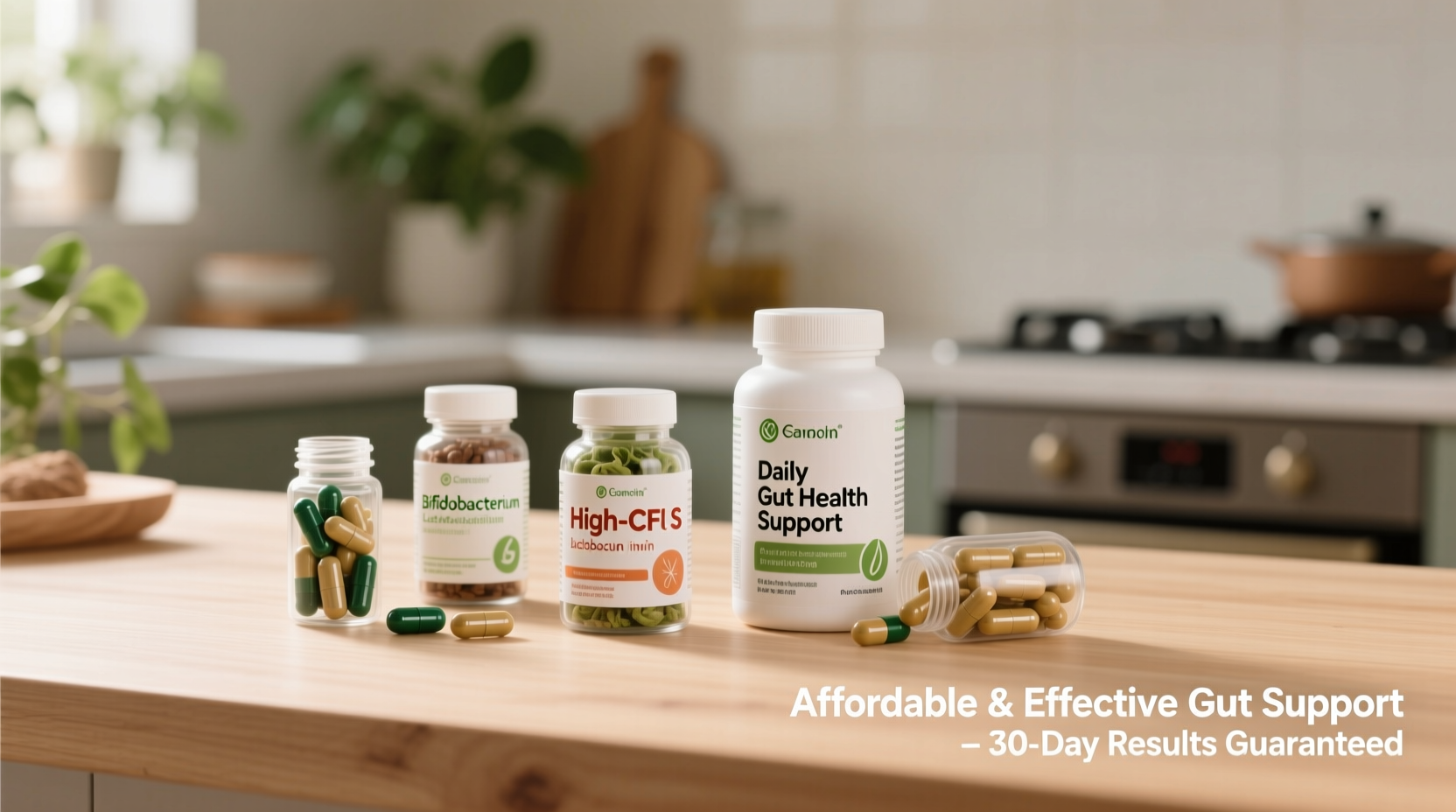
Before diving into cost-effective options, it's essential to understand the difference between prebiotics and probiotics. Probiotics are live beneficial bacteria that colonize the gut, helping regulate digestion and immune function. Common strains include Lactobacillus, Bifidobacterium, and Saccharomyces boulardii. These are found in fermented foods and supplements.
Prebiotics, on the other hand, are non-digestible fibers that feed the good bacteria already in your gut. Think of them as fertilizer for your microbiome. Foods like garlic, onions, bananas, and asparagus contain natural prebiotics such as inulin and fructooligosaccharides (FOS).
The synergy between both—known as a synbiotic approach—offers the most comprehensive support. When combined, prebiotics help probiotics survive and thrive in the gut environment.
“Optimizing gut health doesn't require expensive regimens. Consistent intake of diverse fibers and fermented foods can be just as effective as premium supplements.” — Dr. Lena Patel, Integrative Nutrition Specialist
Affordable Probiotic-Rich Foods You Already Have Access To
One of the most economical ways to boost probiotic intake is through diet. Fermented foods naturally contain live cultures and often cost less than bottled supplements. Here are several low-cost, widely available options:
- Yogurt with live cultures: Plain, unsweetened yogurt is one of the most accessible sources of probiotics. Look for labels stating “contains live active cultures” and avoid added sugars that can feed harmful bacteria.
- Kefir: A fermented milk drink with a higher concentration of probiotic strains than yogurt. Often priced under $4 per liter, kefir delivers up to 30 different bacterial strains.
- Sauerkraut: Unpasteurized sauerkraut (found in refrigerated sections) contains Lactobacillus species. A single jar can last weeks and costs as little as $3–$5.
- Kimchi: This spicy Korean staple is rich in Lactobacillus and other beneficial microbes. Homemade versions cost pennies per serving.
- Miso and tempeh: Fermented soy products that support gut diversity. Miso soup can be made from inexpensive paste, while tempeh serves as a low-cost plant-based protein and probiotic source.
Cost-Effective Supplement Options That Deliver Results
While food sources are ideal, supplements offer convenience and targeted strain delivery. Not all probiotic supplements are created equal—but you don’t need to pay $50 a month for quality. Consider these strategies for finding effective, affordable options:
- Look for CFU counts between 10–50 billion: Higher isn’t always better. For general maintenance, 10–30 billion CFUs per dose is sufficient and typically more affordable.
- Choose shelf-stable formulas: Some probiotics require refrigeration, increasing packaging and shipping costs. Shelf-stable options using delayed-release capsules or spore-forming strains (like Bacillus coagulans) are often cheaper and just as effective.
- Buy in bulk or subscribe: Many online retailers offer 15–25% discounts on auto-ship programs. Buying a 3–6 month supply upfront reduces per-dose cost significantly.
- Check third-party testing: Reputable brands like NOW Foods, Garden of Life (budget line), and Nature’s Bounty publish lab results confirming potency and purity—without luxury pricing.
| Product | Strains Included | CFUs per Dose | Approx. Cost per Month |
|---|---|---|---|
| NOW Foods Probiotic-10 | Lactobacillus, Bifidobacterium | 25 billion | $12 |
| Garden of Life Once Daily Men’s/Women’s | 32 strains | 30 billion | $22 |
| Nature’s Bounty Ultra Strength | L. acidophilus-dominant | 50 billion | $18 |
| Hyperbiotics PRO-15 (slow-release) | 15 strains | 2.5 billion | $40 |
Note: Lower CFU doesn’t mean inferior performance. Hyperbiotics uses time-release technology to enhance survival, but at nearly double the price of others. For daily maintenance, mid-range options often provide the best value.
Smart Prebiotic Choices on a Budget
Supporting probiotics with prebiotics ensures they thrive. The cheapest and most effective prebiotic sources are whole foods:
- Chicory root: The richest natural source of inulin. Available as a ground powder (~$15 for 1 lb), just one teaspoon a day supports microbial growth.
- Garlic and onions: Already staples in most kitchens, these contain FOS and inulin. Adding extra to meals costs nothing additional.
- Green bananas or plantains: High in resistant starch, which acts as a prebiotic. Green bananas are often cheaper than ripe ones.
- Oats and barley: Beta-glucans in these grains feed beneficial bacteria. A bag of rolled oats lasts months and costs under $3.
If supplementing, look for inulin or acacia fiber powders—they’re often sold as weight management aids but work excellently as prebiotics. A 16-ounce container of acacia fiber averages $18 and lasts 2–3 months with daily use.
Mini Case Study: Maria’s Gut Health Turnaround
Maria, a 38-year-old teacher, struggled with bloating and irregular digestion for years. She avoided probiotics, assuming they were too expensive. Instead, she began incorporating plain yogurt with live cultures into her breakfast, adding sliced banana and a sprinkle of oats. She swapped her afternoon snack for kimchi on rice crackers and started taking a $12/month NOW Foods probiotic.
Within six weeks, her digestion improved dramatically. She reported less bloating, increased energy, and fewer seasonal colds. Her total monthly spend on gut support? Under $20—less than half the cost of a single premium supplement brand.
Step-by-Step Guide to Building an Affordable Gut Support Routine
Follow this simple plan to establish a sustainable, low-cost pre and probiotic regimen:
- Week 1: Audit your current diet – Identify where you can add fermented foods (e.g., yogurt at breakfast, sauerkraut on sandwiches).
- Week 2: Choose one affordable supplement – Pick a well-reviewed, mid-potency option with multiple strains and subscribe for savings.
- Week 3: Add one prebiotic food daily – Start with garlic, onion, or green banana. Gradually increase to avoid gas or discomfort.
- Week 4: Monitor symptoms – Track digestion, energy, and mood in a journal. Adjust fiber or dosage if needed.
- Ongoing: Rotate fermented foods – Variety supports microbiome diversity. Alternate between kefir, miso, and kimchi weekly.
Frequently Asked Questions
Can I get enough probiotics from food alone?
Yes, especially if you regularly consume a variety of fermented foods like yogurt, kefir, sauerkraut, and miso. Food-based probiotics come with additional nutrients and are generally safer and more sustainable than high-dose supplements.
Do cheap probiotics actually work?
Many affordable probiotics are effective if they contain well-researched strains, adequate CFUs, and are stored properly. Third-party tested brands like NOW Foods and Nature’s Bounty deliver proven results at lower price points.
Should I take prebiotics every day?
Yes, daily prebiotic intake is safe and recommended. However, start slowly (e.g., 1–2 grams per day) to prevent bloating, especially if you're new to high-fiber diets.
Final Thoughts: Small Changes, Lasting Impact
Supporting your gut doesn’t require expensive powders or designer supplements. The most effective pre and probiotic strategies are often the simplest—eating fermented foods, choosing fiber-rich plants, and selecting science-backed, budget-friendly supplements. Consistency matters more than cost. By integrating these affordable practices into your routine, you build a resilient microbiome that supports long-term health.




 浙公网安备
33010002000092号
浙公网安备
33010002000092号 浙B2-20120091-4
Comments
No comments yet. Why don't you start the discussion?