
Brewing a rich, aromatic espresso at home no longer requires barista training or a commercial-grade machine. Thanks to advancements in automation and smart design, today’s fully automatic espresso machines deliver consistent results with minimal effort—perfect for busy households, coffee lovers, and even beginners. The best part? You don’t need to spend thousands to get great-tasting coffee. With options starting under $300, there are now genuinely affordable models that balance performance, durability, and ease of use.
These machines handle everything from grinding beans to tamping, brewing, and even milk frothing—all at the push of a button. For homeowners seeking convenience without sacrificing quality, a well-chosen automatic espresso machine can transform morning routines and elevate everyday moments.
What Makes a Fully Automatic Espresso Machine Worth It?
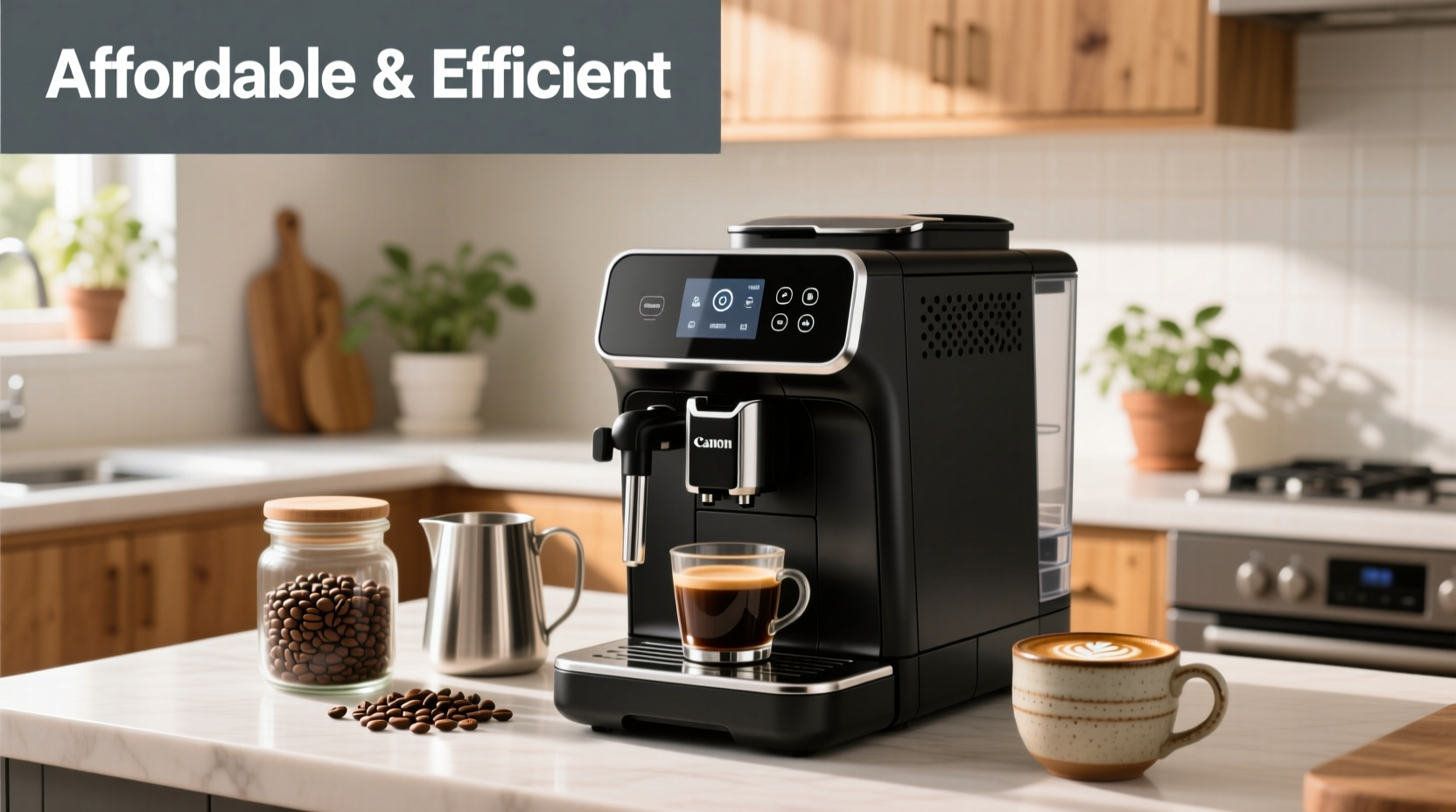
Fully automatic machines differ from semi-automatic or pod-based systems by integrating a built-in grinder and automating the entire brewing process. Once you select your drink—espresso, lungo, cappuccino, or latte—the machine measures the beans, grinds them fresh, tamps the grounds, brews the shot, and dispenses it into your cup. Many also include automatic milk frothers for creamy textures without manual steaming.
The value lies in consistency and convenience. Unlike manual methods that depend on skill and timing, automated machines produce reliable results every time. They’re ideal for households with multiple users who want different drinks quickly, or for those who simply don’t have the time to master espresso technique.
“Modern entry-level automatics now offer 80% of the performance of high-end models at one-third the price.” — Marco Silva, Home Coffee Equipment Analyst
Top Affordable Models That Deliver Efficiency and Quality
Not all budget-friendly machines are created equal. Some cut corners on build quality, temperature stability, or milk systems. The following models stand out for balancing cost, functionality, and user satisfaction:
| Model | Price Range | Key Features | User Rating |
|---|---|---|---|
| De'Longhi ECAM22110S | $250–$300 | 13-step grind adjustment, 15-bar pump, removable brew group, single/double shot presets | 4.4/5 |
| Nescafé Dolce Gusto Genio 2 | $120–$160 | Pod-based but fully automatic, fast heat-up, compact design, energy-saving mode | 4.2/5 |
| Cecotec Power Perfect 6500 | $200–$240 | Aroma system, adjustable coffee strength, automatic shut-off, easy descaling alerts | 4.3/5 |
| Mr. Coffee ECMPR50 | $180–$220 | Integrated grinder, programmable settings, large water reservoir, drip tray indicator | 4.1/5 |
| Saeco PicoBaristo Finita | $350–$400 | Advanced foam system, intuitive dial interface, compact footprint, low maintenance | 4.5/5 |
While the Saeco model sits slightly above the $300 threshold, its superior milk texturing and long-term reliability justify the extra investment for many users. Meanwhile, the De’Longhi ECAM22110S remains a top pick for bean-to-cup performance under $300.
How to Choose the Right Machine for Your Lifestyle
Your ideal machine depends on how you drink coffee, how often, and how much space you have. Consider these factors before purchasing:
- Usage frequency: If you make multiple drinks daily, prioritize durability and a large bean hopper.
- Kitchen space: Compact models like the Nescafé Genio 2 fit easily on small countertops or in offices.
- Milk preferences: If you love lattes or cappuccinos, choose a machine with an automatic milk frother (like Saeco or De’Longhi).
- Bean vs. Pod: Bean-to-cup offers fresher flavor; pod systems are faster and cleaner but less sustainable.
- Maintenance needs: Check if the machine has self-cleaning cycles or descaling reminders.
Real Example: A Busy Family’s Morning Upgrade
The Thompson family used to rely on instant coffee and drive-thru stops during hectic weekday mornings. After researching affordable options, they purchased the De’Longhi ECAM22110S for $280. Within a week, both parents were making personalized espressos and lattes while their teenager learned to use the hot water function for oat milk matchas. The machine paid for itself in saved café expenses within four months. “It’s become part of our routine,” says Sarah Thompson. “We save time, money, and actually enjoy our coffee now.”
Step-by-Step Guide to Getting Started
Once you’ve selected your machine, follow this setup and usage guide to ensure optimal performance from day one:
- Unbox and inspect: Check for any shipping damage and confirm all parts (filter, drip tray, milk container) are included.
- Descale before first use: Even new machines may have mineral deposits. Run a descaling cycle with recommended solution.
- Add fresh beans: Use whole beans stored in an airtight container away from light and moisture.
- Adjust grind and strength: Start with medium settings, then tweak based on taste—finer grind for stronger espresso.
- Test your first shot: Aim for a 25–30 second extraction yielding about 1 oz of espresso with a golden crema.
- Clean after each use: Wipe the portafilter, empty the drip tray, and rinse the brew group weekly.
- Schedule monthly maintenance: Descale every 2–3 months depending on water hardness.
Common Pitfalls to Avoid
Even the best machines perform poorly when misused. Steer clear of these common mistakes:
- Using pre-ground coffee in a bean hopper (can clog the grinder).
- Ignoring descaling warnings (leads to poor pressure and inconsistent brewing).
- Leaving milk in the frother overnight (causes bacterial growth and clogs).
- Overloading the bean hopper with stale beans (use within 2–3 weeks of opening).
- Skipping regular cleaning of the drip tray and spouts (attracts mold and odors).
Frequently Asked Questions
Can I use any type of coffee beans in these machines?
Yes, but for best results, use high-quality Arabica or Arabica-blend whole beans. Avoid oily or dark roast beans, as they can gum up the grinder over time. Light to medium roasts tend to flow better through automatic grinders.
How loud are fully automatic espresso machines?
Most operate between 65–75 decibels—similar to a conversation or blender. The grinding phase is typically the loudest. If noise is a concern, look for models with insulated grinders or quieter pump designs, such as the Saeco PicoBaristo.
Do affordable machines last as long as expensive ones?
With proper care, yes. Machines like the De’Longhi ECAM series regularly last 5–7 years or more. Regular descaling, cleaning, and using filtered water significantly extend lifespan regardless of price point.
Final Checklist Before Buying
Use this quick checklist to ensure you’re making the right choice:
- ✅ Includes a built-in conical burr grinder
- ✅ Offers adjustable grind and brew strength settings
- ✅ Has an automatic milk frother (if desired)
- ✅ Features a removable brew group for easy cleaning
- ✅ Comes with descaling and maintenance alerts
- ✅ Fits comfortably on your countertop
- ✅ Is supported by accessible customer service and replacement parts
Conclusion
Affordable and efficient fully automatic espresso machines have democratized high-quality home brewing. No longer reserved for luxury kitchens, these compact, intelligent devices deliver café-standard results with minimal effort. Whether you're upgrading from instant coffee or replacing a worn-out drip machine, investing in a reliable automatic espresso maker enhances your daily ritual and saves money over time.




 浙公网安备
33010002000092号
浙公网安备
33010002000092号 浙B2-20120091-4
Comments
No comments yet. Why don't you start the discussion?