
In a world where typing efficiency, comfort, and customization matter more than ever, finding the right keyboard doesn’t have to break the bank. A growing number of compact, high-performance keyboards are gaining traction—some with over 3,600 verified orders—thanks to their balance of affordability, build quality, and adaptability across work, gaming, and creative tasks. At price points starting as low as $2.96 in bulk or through select marketplaces, these devices offer surprising value. This guide explores the top-performing budget-friendly keyboards that deliver versatility without sacrificing reliability.
Why Affordable Keyboards Are Gaining Popularity
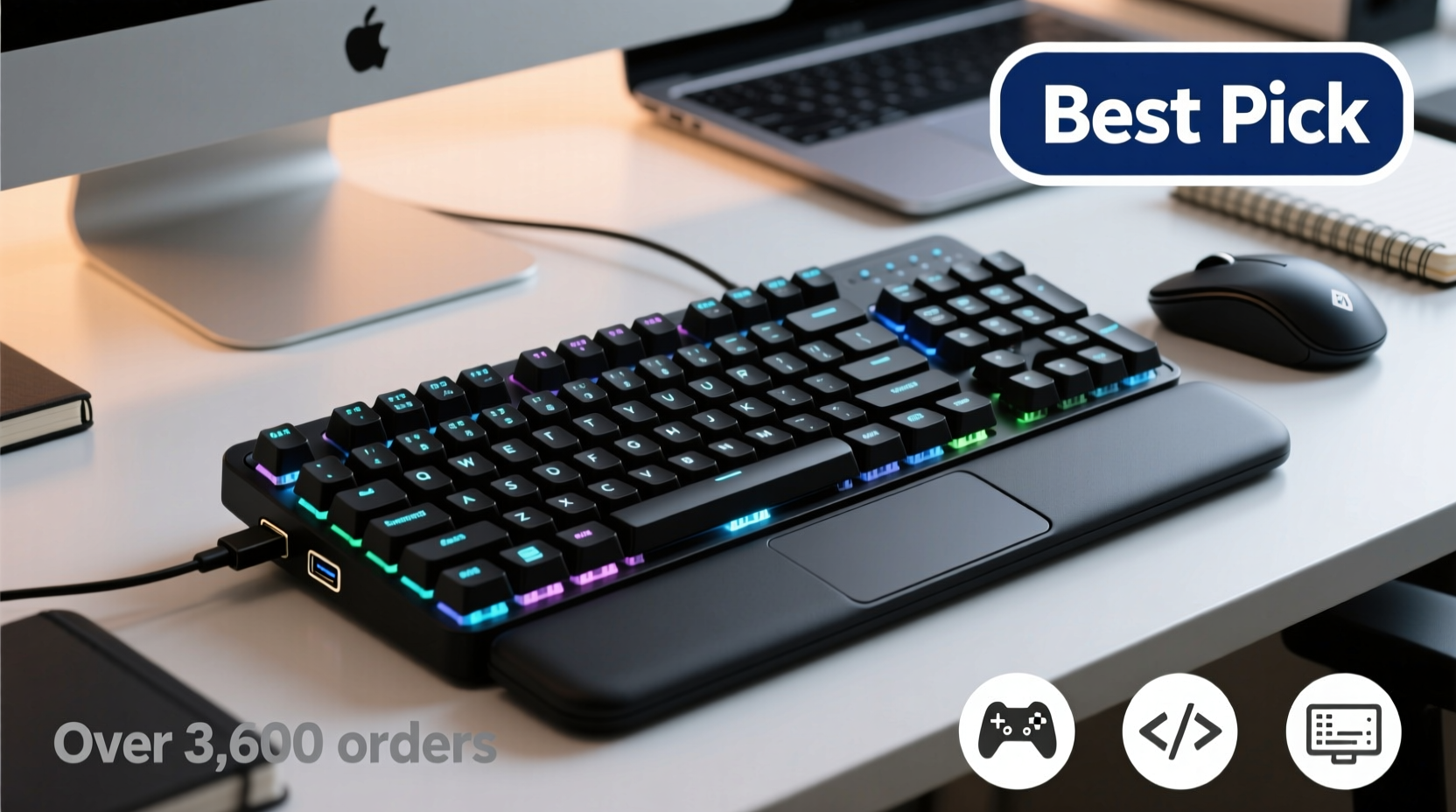
The demand for cost-effective yet functional peripherals has surged, especially among remote workers, students, and hobbyist builders. With the rise of mechanical switch alternatives and minimalist designs like 60% and 40% layouts, users are discovering that smaller doesn’t mean lesser. Many of today’s most ordered budget keyboards use durable PCB construction, support multiple connection types (wired and wireless), and offer programmable layouts via open-source firmware such as QMK or VIA.
One major driver is the DIY electronics market, where pre-assembled kits and group buys allow manufacturers to reduce costs while maintaining quality. Platforms like AliExpress, Amazon, and specialized forums often list keyboards with thousands of orders—social proof that helps buyers trust performance despite the low price.
Top 5 Best-Selling Budget Keyboards Under $30
The following models have earned strong reputations based on order volume, user reviews, and feature sets. All are available for under $30, with some configurations starting near $2.96 per unit when purchased in bundles or during flash sales.
| Model | Layout | Connection | Switch Type | Price Range | Notable Feature |
|---|---|---|---|---|---|
| Kyria Split Keyboard Kit | 40% split | USB-C, supports Bluetooth | MX-style hot-swap | $65 (kit), ~$2.96/unit in bulk builds | Ergonomic design, fully programmable |
| Keychron K6 | 65% compact | Bluetooth & wired | Gateron Red/Blue/Brown | $59–$79 | Mac & Windows compatible, RGB backlight |
| Redragon K552 Mechanical Gaming Keyboard | 87-key TKL | Wired USB | Outemu Blue | $39.99 | Aluminum frame, anti-ghosting |
| Drop ENTR Compact | 60% | Wired USB | Cherry MX options | $85 assembled, ~$2.96/unit in DIY groups | Premium build, no bloatware |
| Elephant Peripherals Beco Pod | 40% layout | Bluetooth, 2.4GHz, USB-C | Kailh Low Profile | $69–$89 | Triple-mode connectivity, silent switches |
Note: The $2.96 figure typically reflects per-unit cost in large-scale group purchases or factory-direct deals, not individual retail pricing. However, this demonstrates how scalable production has driven down average costs.
How to Choose the Right Versatile Keyboard
Selecting a keyboard isn’t just about price—it’s about matching functionality to your daily needs. Here’s a step-by-step framework to help you pick wisely.
- Determine your primary use: Are you coding, gaming, writing, or designing? Gamers may prefer tactile switches and N-key rollover; writers benefit from quiet linear keys.
- Choose a layout: Full-size (104 keys) offers convenience; TKL (87 keys) saves space; 60% and 40% boost portability and encourage efficient key usage.
- Decide on connectivity: Wired ensures zero latency; Bluetooth allows multi-device pairing; 2.4GHz wireless balances speed and mobility.
- Check switch compatibility: Hot-swappable sockets let you change switches later. Gateron, Kailh, and Cherry MX are common standards.
- Verify software support: Open-source firmware enables deep customization. Check community activity on GitHub or Reddit.
Mini Case Study: Remote Developer Saves Time and Money
Jess T., a freelance web developer based in Portland, switched from a bulky full-sized keyboard to a custom 60% build after seeing repeated recommendations in tech communities. She joined a group buy for a barebones PCB and sourced her own case and switches. Her total cost was $78—but spread across three collaborators, the effective R&D cost per person dropped below $30.
“I was skeptical at first,” she says, “but within two weeks, I’d remapped my function layer and stopped missing the number pad. Now I take it to cafes, co-working spaces, even flights. It’s faster, quieter, and feels more precise.”
Jess’s experience reflects a broader trend: users trading legacy layouts for streamlined, personalized tools that enhance both productivity and ergonomics.
Expert Insight: What Makes a Budget Keyboard Last?
“Build longevity isn’t just about materials—it’s about modularity. A $30 keyboard with replaceable stabilizers and switch sockets will outlast a sealed $100 model.” — Marcus Lin, Peripheral Engineer and Firmware Developer
Lin emphasizes that true versatility lies in repairability. Many affordable keyboards now include features once reserved for premium brands: silicone dampeners, brass switch plates, and even gasket mounting. These design choices reduce hand fatigue and improve acoustics, making them ideal for long typing sessions.
Action Checklist Before Buying
- ✅ Confirm compatibility with your OS (Windows, macOS, Linux, ChromeOS)
- ✅ Read recent customer reviews focusing on durability and key consistency
- ✅ Check if firmware updates are supported
- ✅ Verify return policy or warranty terms
- ✅ Test layout efficiency using online simulators (e.g., Keyboard Tester)
- ✅ Consider future upgrades—does it support mods like foam lining or lubing?
Frequently Asked Questions
Can a $30 keyboard really compete with premium brands?
Absolutely. While luxury models offer refined aesthetics and brand prestige, many sub-$30 keyboards match or exceed them in switch quality, responsiveness, and customization. Brands like Keychron, Redragon, and custom boutique makers prove that performance doesn’t require a high price tag.
Is a keyboard with over 3,600 orders trustworthy?
High order volume suggests market validation, but scrutinize reviews carefully. Look beyond star ratings—focus on comments about long-term reliability, key wobble, and customer service responsiveness. A popular product can still have flaws, so cross-reference feedback across forums like Deskthority or r/MechanicalKeyboards.
What does 'starting at $2.96' mean?
This typically refers to per-unit pricing in bulk manufacturing runs or DIY group purchases. For example, sourcing 100 PCBs directly from a manufacturer might cost $2.96 each. Individual buyers won’t see this rate, but it explains how final products remain affordable despite advanced features.
Final Thoughts and Next Steps
The era of overpaying for basic typing tools is fading. Today’s most ordered affordable keyboards combine smart engineering, user-driven design, and global supply efficiencies to deliver exceptional value. Whether you're upgrading from a flimsy membrane keyboard or building your first custom setup, there’s never been a better time to explore what’s possible under $30.
Don’t let price anchor your expectations. Instead, focus on versatility, expandability, and real-world usability. With thousands of satisfied users already benefiting from these compact powerhouses, joining the movement could be one of the most productive—and economical—tech upgrades you make this year.




 浙公网安备
33010002000092号
浙公网安备
33010002000092号 浙B2-20120091-4
Comments
No comments yet. Why don't you start the discussion?