
In today’s smartphone market, high-end camera performance is no longer exclusive to premium flagship devices. Many mid-range and budget-friendly Android phones now offer impressive photography capabilities, thanks to advancements in sensor technology, computational imaging, and AI-powered processing. For users who prioritize photo quality but want to avoid spending $1,000 or more, there are smarter, cost-effective alternatives that still deliver crisp detail, vibrant colors, and reliable low-light performance.
This guide explores the most compelling affordable Android phones that balance camera excellence with strong overall features—battery life, display quality, software support, and build—without compromising on value.
What Makes a Camera \"Great\" at an Affordable Price?
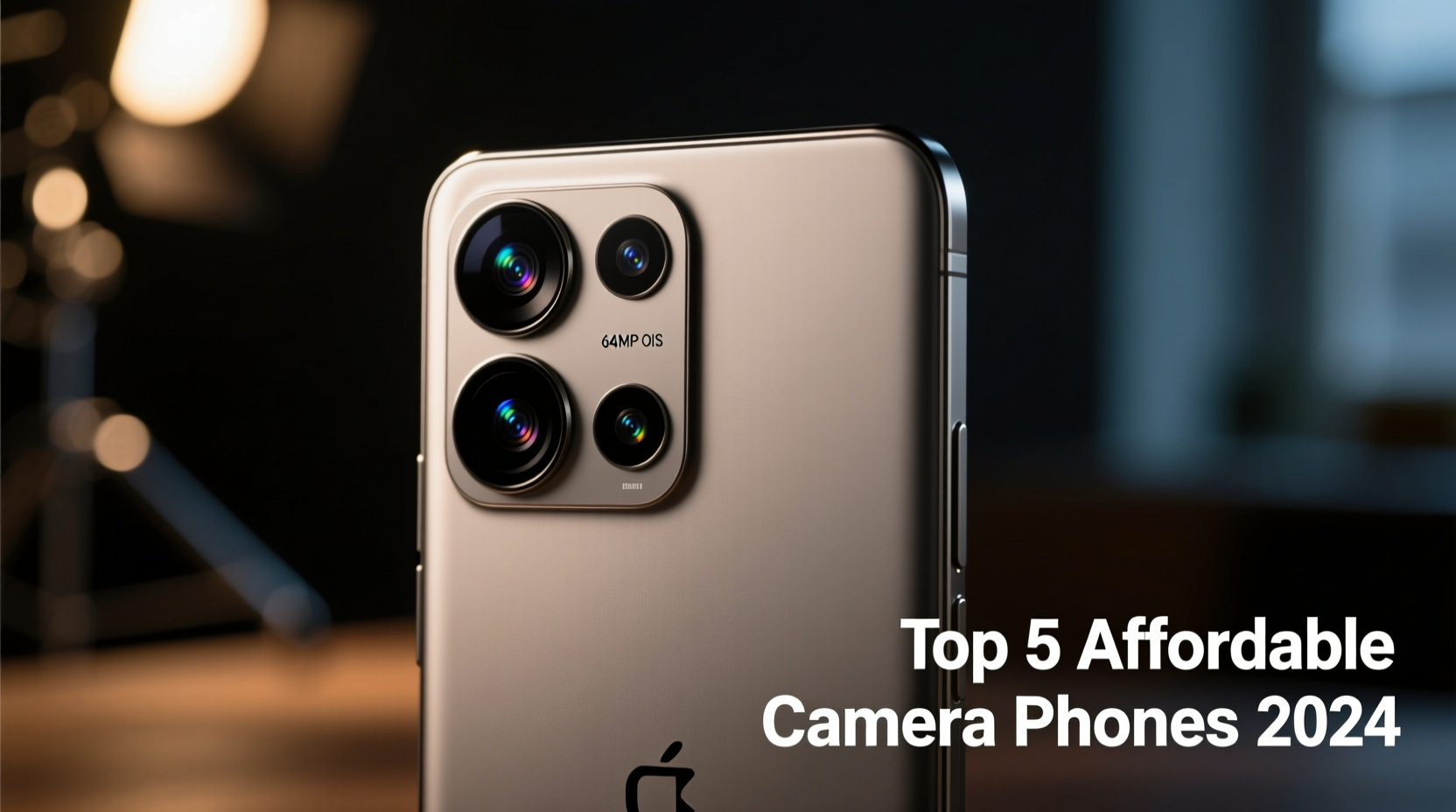
Affordability doesn’t mean sacrificing image quality. The best budget and mid-tier phones leverage multi-lens setups, large sensors, optical stabilization, and advanced software algorithms to rival more expensive models. Key factors include:
- Sensor size: Larger sensors capture more light, improving dynamic range and low-light photos.
- Pixel binning: Combines multiple pixels into one for brighter, cleaner night shots.
- Software tuning: Brands like Google and Samsung use AI to enhance HDR, portraits, and zoom.
- Ultra-wide and macro lenses: Expand creative options even in lower-priced models.
Top 5 Affordable Android Phones with Outstanding Cameras
The following smartphones represent the best balance of price, camera performance, and real-world usability. All are priced under $500 and excel in everyday photography scenarios—from daylight landscapes to indoor portraits and night scenes.
| Phone Model | Main Camera | Key Features | Price Range |
|---|---|---|---|
| Google Pixel 7a | 64MP (f/1.9), OIS | Bright HDR+, Magic Eraser, 7 years OS updates | $499 |
| Nothing Phone (2) | 50MP (f/1.8), OIS + 50MP ultra-wide | Clean design, fast charging, unique glyph interface | $499 |
| Samsung Galaxy A54 5G | 50MP (f/1.8), OIS | IP67 rating, 120Hz AMOLED, long-term software support | $449 |
| Xiaomi Redmi Note 13 Pro+ | 200MP (f/1.7), OIS | Fast charging (120W), curved OLED, detailed zoom | $499 |
| Moto G Power (2024) | 50MP (f/1.5), Night Vision mode | 5-day battery, clean Android experience | $279 |
While none of these reach the absolute peak of flagship optics, they consistently outperform their price brackets in photo consistency, color accuracy, and ease of use.
Why the Pixel 7a Stands Out
The Google Pixel 7a may sit just below the flagship Pixel line, but its camera system inherits nearly all the computational photography magic found in higher-end models. Its 64MP main sensor captures sharp, well-balanced images, while Google’s HDR+ ensures skies aren’t blown out and shadows retain detail.
Features like Face Unblur, Best Take, and Magic Eraser allow editing directly within the gallery—removing photobombers or adjusting expressions with minimal effort. It also supports astrophotography mode, letting users capture stunning starry skies with nothing more than a tripod (or steady surface).
“Even at $500, the Pixel 7a produces some of the most natural-looking photos in its class. Google’s software edge is still unmatched.” — David Liu, Mobile Photographer & Tech Reviewer
How to Maximize Camera Performance on a Budget Phone
Owning a capable camera phone isn't enough—you need to use it effectively. Here's how to get the most from your device’s hardware and software:
- Use Pro or Manual mode: Adjust ISO, shutter speed, and white balance for greater control, especially in tricky lighting.
- Keep lenses clean: Smudges distort light and reduce sharpness. Wipe gently with a microfiber cloth.
- Enable Grid Lines: Follow the rule of thirds for more balanced compositions.
- Tap to focus and expose: Press on your subject before shooting to lock exposure settings.
- Shoot in RAW (if available): Offers more flexibility during post-processing.
Real-World Example: Travel Photography on a Budget
Consider Sarah, a freelance writer traveling through Southeast Asia on a tight budget. She needed a phone that could double as her primary camera without weighing down her pack. She chose the Samsung Galaxy A54 5G for its durable build, water resistance, and reliable 50MP camera.
During a sunrise visit to Angkor Wat, she used the Pro mode to slow the shutter slightly, capturing soft light filtering through ancient stone arches. In crowded markets, she switched to Portrait Mode for blurred backgrounds that highlighted local artisans. Despite not carrying a DSLR, her social media followers assumed she was using professional gear—all because the phone handled dynamic lighting and detail retention so well.
Checklist: Choosing the Right Budget Camera Phone
Before purchasing, verify these essentials to ensure you’re getting true value:
- ✅ Main sensor of 50MP or higher with f/1.8 aperture or wider
- ✅ Optical Image Stabilization (OIS) for sharper low-light shots
- ✅ Night Mode that actually improves brightness and reduces noise
- ✅ At least one secondary lens (ultra-wide preferred over macro)
- ✅ Software update promise of 3+ years
- ✅ Positive sample photo reviews from trusted tech sites
- ✅ User-accessible manual controls in the stock camera app
Frequently Asked Questions
Can a $300 phone really compete with a $1,000 flagship in photo quality?
Not entirely, but in many real-world conditions—especially daylight and moderate lighting—the gap is narrower than expected. Modern mid-range phones use similar sensors and borrow software techniques from flagships. While they may lag in extreme zoom or ultra-low-light video, their stills can be remarkably close in quality.
Is a high megapixel count important?
Megapixels alone don’t determine quality. A 108MP sensor only helps if paired with a large physical sensor and good processing. Pixel binning—where four pixels act as one—often delivers better results than raw resolution. Focus on sensor size and software optimization over MP numbers.
Which brand offers the best camera value right now?
Google leads in software-driven photography, making Pixel A-series phones top picks for point-and-shoot excellence. Samsung provides consistent performance and durability across its A-line. Xiaomi and Nothing are emerging contenders with aggressive specs at competitive prices. Your choice depends on whether you prioritize ease of use (Pixel), versatility (Samsung), or cutting-edge hardware (Xiaomi).
Final Thoughts and Next Steps
Photography doesn’t have to come with a luxury price tag. Today’s best affordable Android phones deliver camera systems that were unimaginable just five years ago. Whether you're documenting daily life, starting a side hustle in content creation, or simply want to remember moments clearly, these devices prove that smart engineering and intelligent software can bridge the gap between cost and capability.
The key is knowing what matters most: consistent color science, reliable autofocus, usable low-light performance, and a user-friendly interface. With the right pick, you gain a powerful tool that fits your lifestyle and budget—without feeling like you’ve compromised.




 浙公网安备
33010002000092号
浙公网安备
33010002000092号 浙B2-20120091-4
Comments
No comments yet. Why don't you start the discussion?