
Finding a comfortable, stylish sectional that fits your space and budget used to mean compromising on design or durability. Today, modular couch sectionals offer an elegant solution: customizable configurations, long-term adaptability, and surprisingly accessible price points. With models now available starting at just $1,138, homeowners no longer need to sacrifice quality for affordability. These modern pieces are engineered for real-life living—perfect for small apartments, growing families, or open-concept homes craving flexible seating.
What sets affordable modular sectionals apart is their intelligent design. Unlike traditional fixed L-shaped sofas, modular units allow you to rearrange chaise lounges, add ottomans, or reconfigure the entire layout as your needs evolve. Whether you're furnishing a new condo or upgrading a family room, understanding what makes these sectionals both cost-effective and highly functional can transform how you think about living room furniture.
Why Modular Sectionals Are a Smart Investment
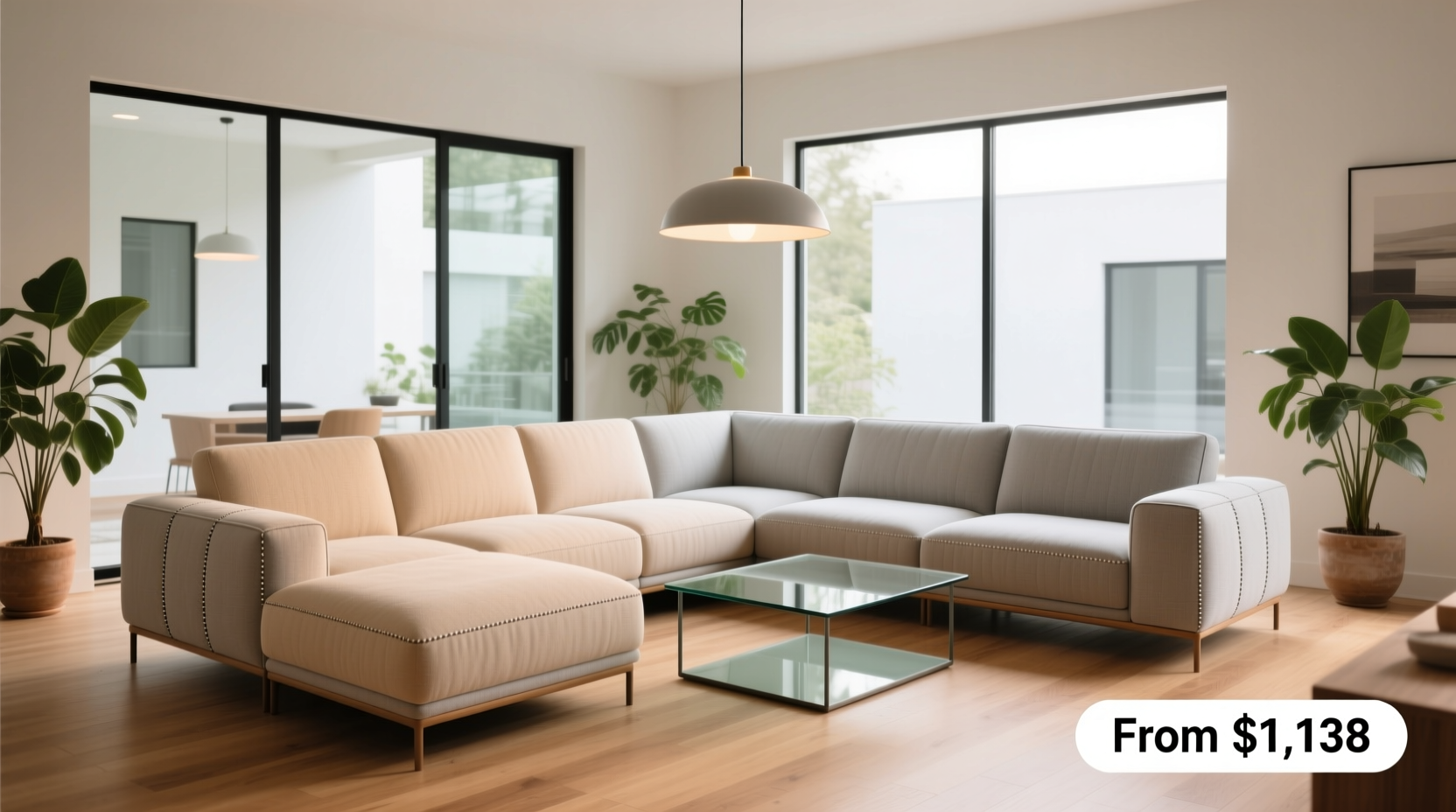
Modular sectionals break away from one-size-fits-all furniture by offering interchangeable components. Each piece—such as a corner unit, armless chair, or reversible chaise—can be arranged in multiple ways. This flexibility means your sofa can grow with your lifestyle. Move into a larger home? Reconfigure it into a U-shape. Downsize? Break it into smaller seating clusters.
Beyond adaptability, modular designs often use standardized parts, which reduces manufacturing costs and translates into lower prices for consumers. Many brands now leverage direct-to-consumer sales models, cutting out retail markups and passing savings directly to buyers. As a result, high-quality materials like polyester-blend performance fabrics, kiln-dried hardwood frames, and high-resilience foam cushions are now standard even in sub-$1,500 sectionals.
“Modularity isn’t just a trend—it’s a response to how people actually live. The ability to reconfigure seating based on space, function, or even mood makes these sectionals future-proof.” — Lena Torres, Interior Design Consultant, Urban Living Co.
Top Features to Look for in Budget-Friendly Modular Sectionals
Not all affordable sectionals deliver equal value. To ensure longevity and comfort, focus on construction details that matter:
- Durable Frame Materials: Look for kiln-dried hardwood or reinforced plywood. Avoid particleboard or MDF, which degrade faster under daily use.
- Cushion Quality: High-density foam (≥ 2.0 lb density) maintains shape over time. Some models include pocketed coils for added support.
- Performance Fabric: Polyester blends with stain-resistant or water-repellent finishes handle spills and pets better than natural fibers.
- Modular Connectors: Strong metal clips or locking mechanisms keep units securely joined without shifting.
- Flat-Pack Shipping: Most affordable models arrive in compact boxes, reducing shipping costs and making delivery easier for upper-floor apartments.
Comparison of Leading Affordable Modular Sectionals
| Model | Starting Price | Material | Reversible Chaise? | Assembly Time | Warranty |
|---|---|---|---|---|---|
| Solstice Modern Line | $1,138 | Polyester blend fabric | Yes | 45 minutes | 1 year frame, 6 months fabric |
| Ikea Odger + Kallax Add-on | $1,299 | Recycled polyester | No | 75 minutes | 10-year frame, 2 years fabric |
| Amazon Basics Modular Sofa | $1,199 | Microfiber | Yes | 60 minutes | 1 year limited |
| Wayfair SimpliHome Grid | $1,349 | Performance fabric | Yes | 50 minutes | 5-year structural warranty |
The Solstice model stands out for its entry-level price and reversible chaise option, though its shorter warranty suggests more frequent maintenance. In contrast, Ikea’s offering provides exceptional frame durability and eco-conscious materials but requires additional shelving units for full modularity. For balance of price, comfort, and protection, the Wayfair SimpliHome line offers strong long-term value.
Real-Life Layout: How One Family Maximized a Small Living Room
The Rivera family moved into a 750-square-foot downtown loft with limited wall space and high foot traffic from two kids and a dog. Their previous sectional felt bulky and trapped them in one rigid configuration. After researching affordable modular options, they purchased the Solstice 3-piece set for $1,280 after tax.
Initially, they arranged it in a left-facing L-shape to anchor the TV zone. Six months later, when they began using the living area for remote learning and game nights, they flipped the chaise to the right side and added a standalone ottoman as a movable coffee table. During weekend gatherings, they detached the armless chair and placed it across from the main section to create a conversational island.
“We didn’t realize how much a couch could affect our daily life,” says Maria Rivera. “Now we change the setup depending on who’s visiting or what we’re doing. It feels like we have three different seating areas in one footprint.”
Step-by-Step Guide: Choosing and Setting Up Your Modular Sectional
- Measure Your Space: Note doorways, hallways, and ceiling height to ensure all modules can be brought inside. Allow at least 18 inches of clearance around the perimeter for walking.
- Determine Primary Use: Will it serve as a media lounge, guest bed, or social hub? This influences cushion firmness and chaise placement.
- Select Configuration: Sketch possible layouts—L-shape, U-shape, or linear with ottoman. Many retailers offer online planners to visualize arrangements.
- Order Sample Swatches: Request fabric samples to test against your lighting and existing décor before committing.
- Assemble Strategically: Follow manufacturer instructions carefully. Lock connectors fully and align legs evenly to prevent wobbling.
- Integrate Accessories: Add slipcovers, throw pillows, or a rug to define the zone and protect high-wear areas.
Common Mistakes to Avoid
- Ignoring Weight Limits: Modular bases aren’t always designed for standing or jumping—especially important in homes with children.
- Overlooking Upholstery Maintenance: Even stain-resistant fabrics require vacuuming and occasional deep cleaning to prevent embedded dirt.
- Misjudging Traffic Flow: Ensure pathways remain clear; avoid blocking access to windows, doors, or outlets.
- Skipping the Warranty Review: Know what’s covered—some exclude seam separation or cushion sagging within the first year.
Frequently Asked Questions
Can I buy additional modules later to expand my sectional?
Yes, most major brands sell individual components separately. However, confirm compatibility across production batches, as fabric dye lots or dimensions may vary over time.
Are affordable modular sectionals suitable for daily sleeping?
Some models convert into sleeper sections, but standard modular units aren’t optimized for nightly use. If regular overnight guests are expected, look for models with thicker seat cushions (at least 6 inches) or integrated pull-out beds.
How do I clean modular fabric without damaging connectors?
Always spot-clean near joints to avoid moisture seeping into internal hardware. Use a mild detergent with water, blot (don’t scrub), and let air dry completely before reassembling.
Maximize Value with Smart Care and Planning
The true advantage of affordable modular sectionals lies not just in their initial price, but in their long-term utility. By choosing wisely and maintaining them properly, you can enjoy a fresh, functional living room layout for years. Rotate cushions monthly to distribute wear, vacuum crevices quarterly, and consider a fabric protector spray for homes with pets or heavy use.
As urban living spaces shrink and lifestyles become more dynamic, furniture must do more with less. Modular sectionals starting at $1,138 prove that thoughtful design doesn’t have to come at a premium cost. With the right research and planning, you can build a living room that adapts as seamlessly as your life does.




 浙公网安备
33010002000092号
浙公网安备
33010002000092号 浙B2-20120091-4
Comments
No comments yet. Why don't you start the discussion?