
In today’s fast-moving consumer landscape, finding products that deliver both value and aesthetic appeal is more important than ever. The phrase “dbest” may not refer to a single brand but has evolved into a shorthand for “the best”—especially when it comes to identifying standout, budget-conscious options across categories. Whether you're furnishing a new apartment, upgrading your tech, or simply refreshing your personal essentials, the goal remains the same: get the most out of your money without sacrificing style or functionality. This guide explores how to identify truly affordable yet exceptional products, offering practical recommendations and strategies tailored to real-life needs.
Why Affordability and Style Aren’t Mutually Exclusive
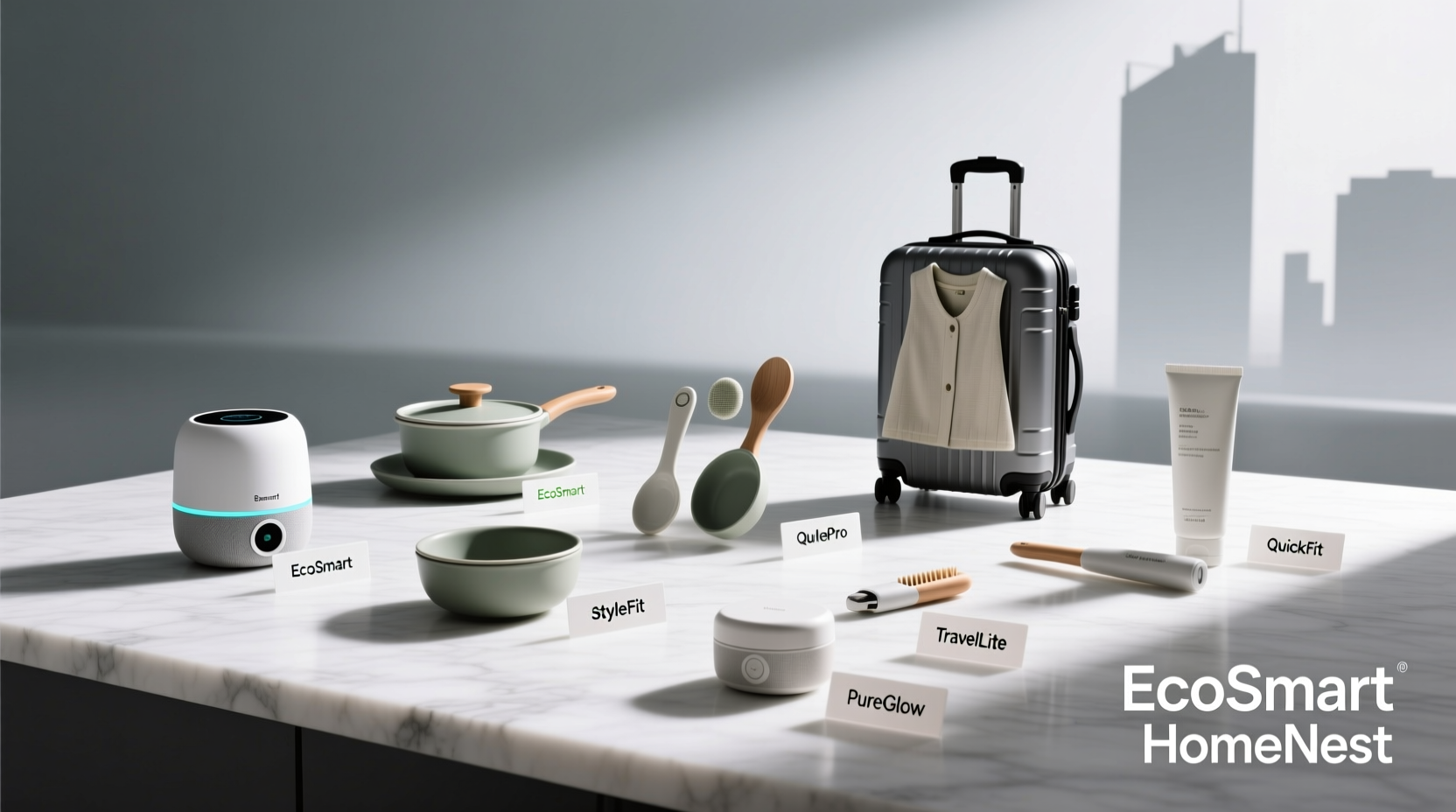
Gone are the days when saving money meant settling for dull designs or subpar quality. Modern manufacturing, global supply chains, and direct-to-consumer models have empowered brands to offer sleek, well-designed products at accessible price points. From minimalist home goods to fashion-forward accessories, companies now prioritize both form and function—even in entry-level lines.
The key lies in knowing where to look. Retailers like IKEA, Muji, Amazon Basics, and emerging DTC (direct-to-consumer) startups have mastered the balance between cost-efficiency and contemporary design. These brands often use modular production, simplified packaging, and digital-first marketing to keep overhead low while delivering polished aesthetics.
“Affordable doesn’t mean disposable. The best budget products are those engineered for longevity and designed with intention.” — Lena Torres, Product Design Analyst at Consumer Insight Group
Smart Picks Across Key Categories
Below is a curated selection of product types where affordability, style, and performance intersect effectively. Each recommendation reflects real-world usability, positive user feedback, and thoughtful design.
Home & Living
- Folding Desks from IKEA: Models like the Linnmon tabletop with Lack legs combine Scandinavian minimalism with space-saving flexibility—ideal for small apartments or hybrid work setups.
- Bamboo Drawer Organizers: Available widely on Amazon, these fit standard dresser sizes and add warmth to bedroom storage without costing a premium.
- Silicone Kitchenware Sets: Heat-resistant, colorful, and easy to clean, these replace flimsy plastic tools with durable, stylish alternatives under $20.
Personal Tech
- Anker Power Banks: Known for reliability and compact design, Anker’s mid-tier models offer fast charging and sleek finishes at half the price of premium brands.
- Google Nest Mini (2nd Gen): A smart speaker that blends into home decor with fabric finishes and delivers crisp audio for voice control and music.
- Refurbished Wireless Earbuds: Certified pre-owned models from Apple, Samsung, or Jabra provide near-new performance at 40–60% off retail.
Fashion & Accessories
- Uniqlo U Collection T-Shirts: Designed by Christophe Lemaire’s team, these cotton staples come in modern cuts and muted tones, priced under $30.
- Made.com Belts and Wallets: Genuine leather accessories with clean stitching and timeless silhouettes starting at $25.
- Everlane ReNew Sneakers: Made from recycled plastic bottles, these lightweight shoes offer urban-chic style and all-day comfort.
How to Spot Truly Smart Buys: A Decision Framework
Not all low-priced items are good deals. Some cut corners on materials, ergonomics, or durability. To separate genuine value from false economy, follow this step-by-step evaluation process before purchasing.
- Define Your Core Need: Is this item for daily use, occasional tasks, or decorative purposes? Prioritize build quality for frequent-use items.
- Research Material Composition: Look beyond marketing terms. For example, “wood finish” might mean laminate over particleboard. Opt for solid wood, metal, or high-grade composites when possible.
- Check Real User Reviews: Focus on reviews with photos and long-term usage notes (e.g., “after 6 months…”). Avoid relying solely on star ratings.
- Evaluate Design Longevity: Will this still look appropriate in two years? Neutral colors and simple shapes tend to age better than trendy details.
- Compare Total Cost of Ownership: A slightly more expensive item that lasts five years often costs less per use than a cheap alternative replaced annually.
Red Flags to Watch For
- Vague product descriptions (e.g., “premium material” without specifics)
- Lack of warranty or customer support contact
- Overly aggressive discounting (e.g., “was $299, now $29”)
- Poorly translated listings or inconsistent sizing charts
Product Comparison: Top Budget-Friendly Picks vs. Premium Alternatives
| Category | Affordable Pick | Premium Alternative | Style Match | Savings |
|---|---|---|---|---|
| Coffee Maker | Hamilton Beach 2-Way Brewer ($35) | Breville Bambino Plus ($599) | Modern stainless steel finish | 94% |
| Bedding Set | Parachute Sateen Sheet Bundle ($99) | Frette Luxury Cotton ($400+) | Soft sheen, hotel-luxury feel | 75% |
| Backpack | Targus CityGear Slim Backpack ($49) | Peak Design Everyday Backpack ($199) | Clean lines, hidden pockets | 75% |
| Desk Chair | AmazonBasics Mesh Chair ($110) | Herman Miller Aeron ($1,295) | Ergonomic silhouette, breathable mesh | 91% |
Note: While premium products often include advanced features or longer warranties, many users report that the affordable alternatives meet 80–90% of their daily needs with minimal trade-offs.
Real-Life Example: Furnishing a Studio Apartment on a Budget
Take Maria, a recent graduate moving into her first studio in downtown Portland. With a $500 furnishing budget, she prioritized pieces that were functional, photogenic for video calls, and easy to re-sell later. She started with an IKEA Murphy bed frame paired with a slim mattress, allowing floor space to convert into a workspace during the day. Her seating came from a secondhand Eames-style chair refreshed with a new cushion cover from Etsy. Lighting included two affordable LED floor lamps with adjustable heads from Wayfair, chosen for their matte black finish and tripod base—a popular modern look.
By focusing on multi-functional furniture and neutral color palettes, Maria created a cohesive, inviting space that felt intentional rather than temporary. Friends assumed she’d spent thousands. In reality, she stayed under budget and even had funds left for plants and wall art.
Essential Checklist for Smart, Stylish Shopping
Before making any purchase—online or in-store—run through this checklist to ensure you’re getting true value:
- ✅ Does this solve a specific problem or fill a genuine need?
- ✅ Is the material durable enough for expected usage frequency?
- ✅ Does the color/style coordinate with existing items?
- ✅ Is there a warranty or return window if it doesn’t perform?
- ✅ Have I compared at least two similar options from different brands?
- ✅ Can this be used in multiple settings (e.g., home office, travel)?
- ✅ Is it repairable or recyclable at end-of-life?
Frequently Asked Questions
Are cheaper products always lower quality?
No—not necessarily. Many affordable products achieve savings through efficient distribution, minimal branding, or streamlined design, not poor craftsmanship. Brands like Muji and IKEA prove that simplicity can enhance both usability and aesthetics while reducing cost.
How do I avoid buyer’s remorse when shopping on a budget?
Pause for 24 hours before finalizing non-essential purchases. Use virtual room planners or take photos of your space to visualize how the item will fit. Also, ask yourself: “Will I still want this in three months?” If unsure, wait.
Can sustainable products be affordable?
Yes. While some eco-friendly brands carry premium pricing, others—like Who Gives A Crap (toilet paper), Public Goods (home essentials), or Pact (clothing)—offer competitively priced, ethically made alternatives using subscription models and bulk sourcing.
Final Thoughts: Build Value, Not Just Savings
Finding affordable dbest products isn’t about chasing the lowest price—it’s about making informed decisions that align with your lifestyle, values, and long-term goals. The most stylish and satisfying homes, wardrobes, and workspaces aren’t built on extravagance, but on consistency, intentionality, and smart curation.
Start small: replace one worn-out item with a thoughtfully chosen upgrade. Test it for a month. Notice how it feels to use something well-designed every day. Over time, these deliberate choices compound into a life of quiet luxury—one that doesn’t require a six-figure income to enjoy.




 浙公网安备
33010002000092号
浙公网安备
33010002000092号 浙B2-20120091-4
Comments
No comments yet. Why don't you start the discussion?