
A well-maintained deck enhances outdoor living, increases property value, and withstands years of weather exposure—provided it's properly protected. The right paint or stain plays a critical role in preserving wood integrity, resisting moisture, UV damage, and foot traffic. While high-end products dominate marketing campaigns, effective and affordable options exist that deliver lasting results without breaking the bank. Choosing wisely involves understanding materials, application methods, and the tools that make the job easier and more durable.
Understanding Deck Paint vs. Stain
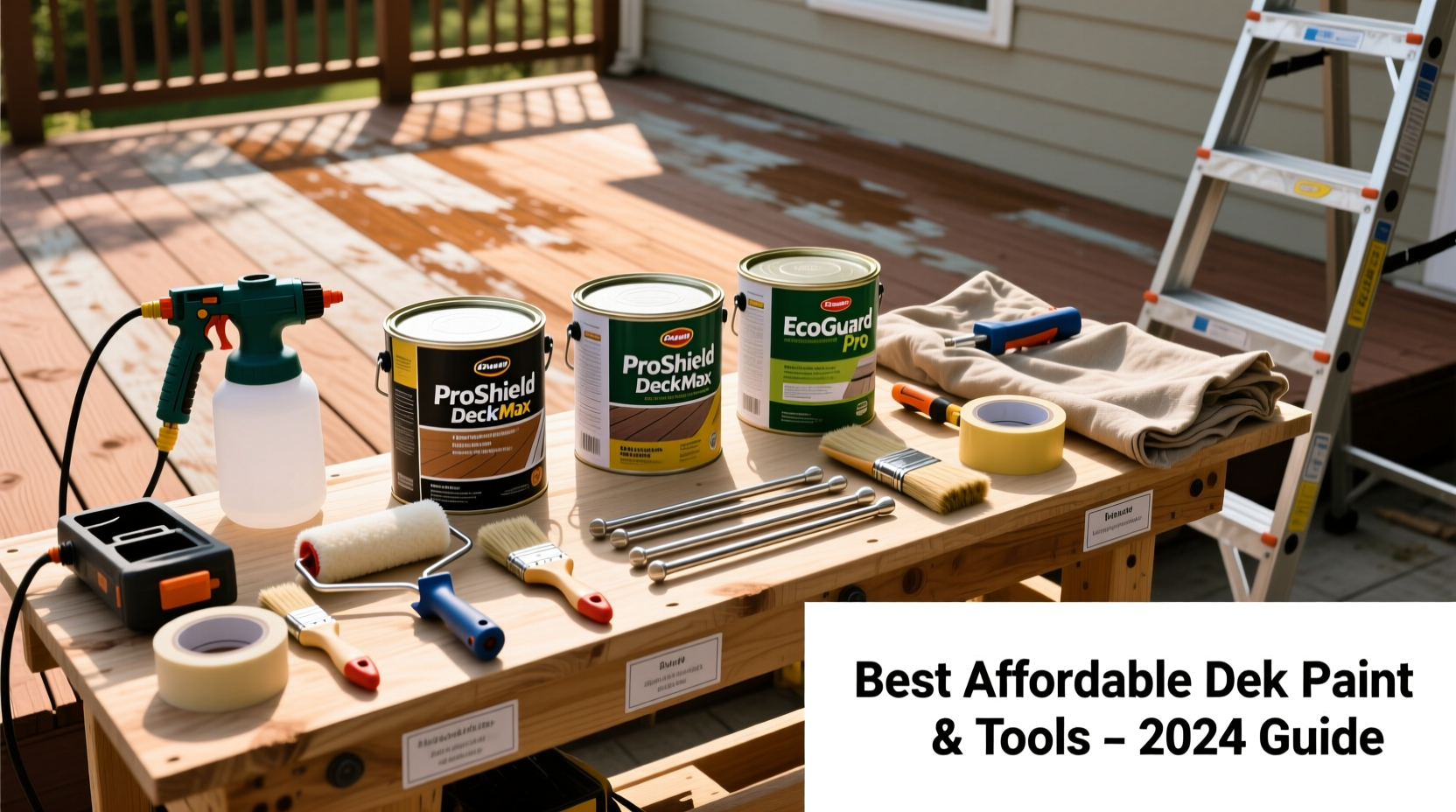
Before selecting a product, it’s essential to distinguish between paint and stain, as they serve different purposes. Paint forms a surface film that blocks moisture and UV rays but can peel over time due to foot traffic and expansion/contraction of wood. Stain, on the other hand, penetrates the wood fibers, offering protection from within while allowing natural grain to show through.
For most residential decks, semi-transparent or solid stains are preferred because they offer better durability than paint. Solid stains behave like paint in coverage but retain flexibility and breathability. Transparent stains highlight wood grain but require more frequent reapplication—typically every two to three years. Semi-transparent strikes a balance, offering moderate color while preserving texture.
“Stains outperform traditional deck paints in longevity and maintenance, especially in climates with fluctuating humidity.” — James Holloway, Certified Wood Preservation Specialist
Affordable Yet Effective Products
Several budget-friendly yet reliable brands provide excellent performance when applied correctly. These options balance cost, durability, and ease of use:
- Thompson’s WaterSeal Solid Color Waterproofing Stain – A top choice under $30 per gallon, offering UV resistance and mildew protection. Ideal for older decks needing full coverage.
- KILZ Exterior Siding, Fence & Barn Paint – Though marketed for fences, its tough acrylic formula works well on flat-surface decks. Costs about $25/gallon and provides solid opacity.
- Rust-Oleum Restore 2X Deck Stain – Offers double-penetration technology at a mid-tier price (~$35/gallon). Available in multiple earth tones and suitable for horizontal surfaces.
- Behr Premium Plus Ultra DeckOver – Priced around $30–$35, this resurfacing product fills cracks and peels less than standard paint. Best for slightly worn decks.
When evaluating affordability, consider coverage per gallon. A cheaper product requiring two thick coats may end up costing more than a pricier one with superior spread rate and single-coat performance.
Essential Tools for a Professional Finish
Even the best paint won’t perform well if applied with inadequate tools. Investing in proper equipment ensures even coverage, reduces waste, and extends the life of your finish.
| Tool | Purpose | Estimated Cost | Recommended Brands |
|---|---|---|---|
| Roller kit (frame, tray, covers) | Efficient application on flat boards | $15–$25 | Wooster, Purdy |
| Angle brush (2–3 inch) | Cutting in edges and railings | $8–$15 | Annie Sloan, Corona |
| Deck cleaning sprayer | Apply cleaner and rinse efficiently | $20–$40 | Karcher, Sun Joe |
| Synthetic bristle brushes | Durable with water-based products | $6–$12 each | Shur-Line, Pro Grade |
| Paint pad applicator | Smooth finish on wide planks | $10–$18 | Shur-Line Pad Pro |
| Safety gear (gloves, goggles) | Protect skin and eyes during prep | $10–$20 | 3M, Honeywell |
Using a combination of roller and pad applicators minimizes lap marks and speeds up large-area coverage. For intricate railings or spindles, small angled brushes provide precision.
Step-by-Step Application Process
Proper preparation is just as important as the product itself. Follow this timeline for optimal results:
- Clear and clean the deck (Day 1): Remove furniture, planters, and debris. Sweep thoroughly. Apply a deck cleaner using a pump sprayer or garden hose attachment. Scrub with a stiff-bristle brush, focusing on mildew-prone corners.
- Rinse and dry (Day 2): Rinse all residue with a hose. Allow 24–48 hours to dry completely. Moisture meters can confirm readiness—wood should read below 15% moisture content.
- Repair and sand (Day 3): Replace cracked boards, tighten loose screws, and sand splintered areas. Feather rough spots to avoid raised grain after staining.
- Prime if needed (Optional, Day 4): New pressure-treated wood may benefit from a wood brightener or primer to stabilize pH and open pores for better absorption.
- Apply first coat (Day 5): Begin with edges and railings using a brush, then move to main surfaces with a roller or pad. Work in shaded sections to prevent premature drying. Maintain a wet edge to avoid streaks.
- Second coat (Day 6): If recommended by manufacturer, apply a second coat after 24 hours. Check product specs—some solid stains require only one coat.
Real Example: Reviving a Budget-Friendly Backyard Deck
Mark T., a homeowner in Portland, OR, faced a deteriorating cedar deck after five seasons with no sealing. Grayed wood, minor cracking, and moss growth made it unsafe and unattractive. Instead of replacing the $2,500 structure, he opted for restoration.
He spent $85 total on Thompson’s WaterSeal Solid Color in “Forest Green,” a Shur-Line pad applicator, a Wooster brush, and a $30 electric pressure washer. After three days of cleaning and prep, he applied two coats over two weekends. Two years later, the deck shows minimal fading and no peeling. His cost savings exceeded 70% compared to replacement, and neighbors have since followed his method.
Frequently Asked Questions
How often should I repaint or restain my deck?
Most quality stains last 2–5 years depending on climate and foot traffic. Inspect annually for signs of wear: water no longer beads, wood appears gray, or patchy discoloration. Reapply sooner in rainy or sunny regions.
Can I use interior paint on a deck?
No. Interior paints lack UV stabilizers, mold inhibitors, and flexibility required for outdoor decking. They will crack, fade, and peel within months when exposed to weather.
Is it worth hiring a professional?
If your deck is multi-level, hard to access, or has extensive damage, professional services ensure safety and consistency. However, for standard ground-level decks, DIY with proper tools yields comparable results at a fraction of the cost.
Checklist: Preparing and Painting Your Deck on a Budget
- ☐ Clear all furniture and vegetation from the deck area
- ☐ Sweep and inspect for loose nails or damaged boards
- ☐ Purchase an affordable, high-rated deck stain (check coverage per gallon)
- ☐ Buy essential tools: roller kit, angle brush, paint pad, gloves, goggles
- ☐ Clean deck with oxygenated or mildew-fighting cleaner
- ☐ Rinse thoroughly and allow 48 hours to dry
- ☐ Sand rough areas and repair structural issues
- ☐ Apply first coat starting with edges, then broad surfaces
- ☐ Wait 24 hours and assess need for second coat
- ☐ Store leftover stain properly for touch-ups (upside down, sealed tightly)
Conclusion: Smart Choices Lead to Lasting Results
Selecting the best paint—or more accurately, the best stain—for your deck doesn’t require premium pricing. Affordable products from trusted brands, combined with careful preparation and the right tools, deliver resilient, attractive finishes that protect your investment. Whether refreshing aging wood or finishing a new build, thoughtful execution matters more than brand prestige.




 浙公网安备
33010002000092号
浙公网安备
33010002000092号 浙B2-20120091-4
Comments
No comments yet. Why don't you start the discussion?