
Owning a pet snake doesn’t have to be expensive or complicated. With the right species and properly selected equipment, you can provide excellent care while staying within a reasonable budget. Many first-time reptile keepers assume snakes require elaborate setups or high maintenance, but the reality is quite different. Certain species thrive in simple enclosures with minimal daily attention, making them ideal for students, apartment dwellers, or anyone seeking a low-cost, low-maintenance companion. The key lies in choosing the right snake and investing wisely in essential gear from the start.
Best Beginner-Friendly Snakes on a Budget
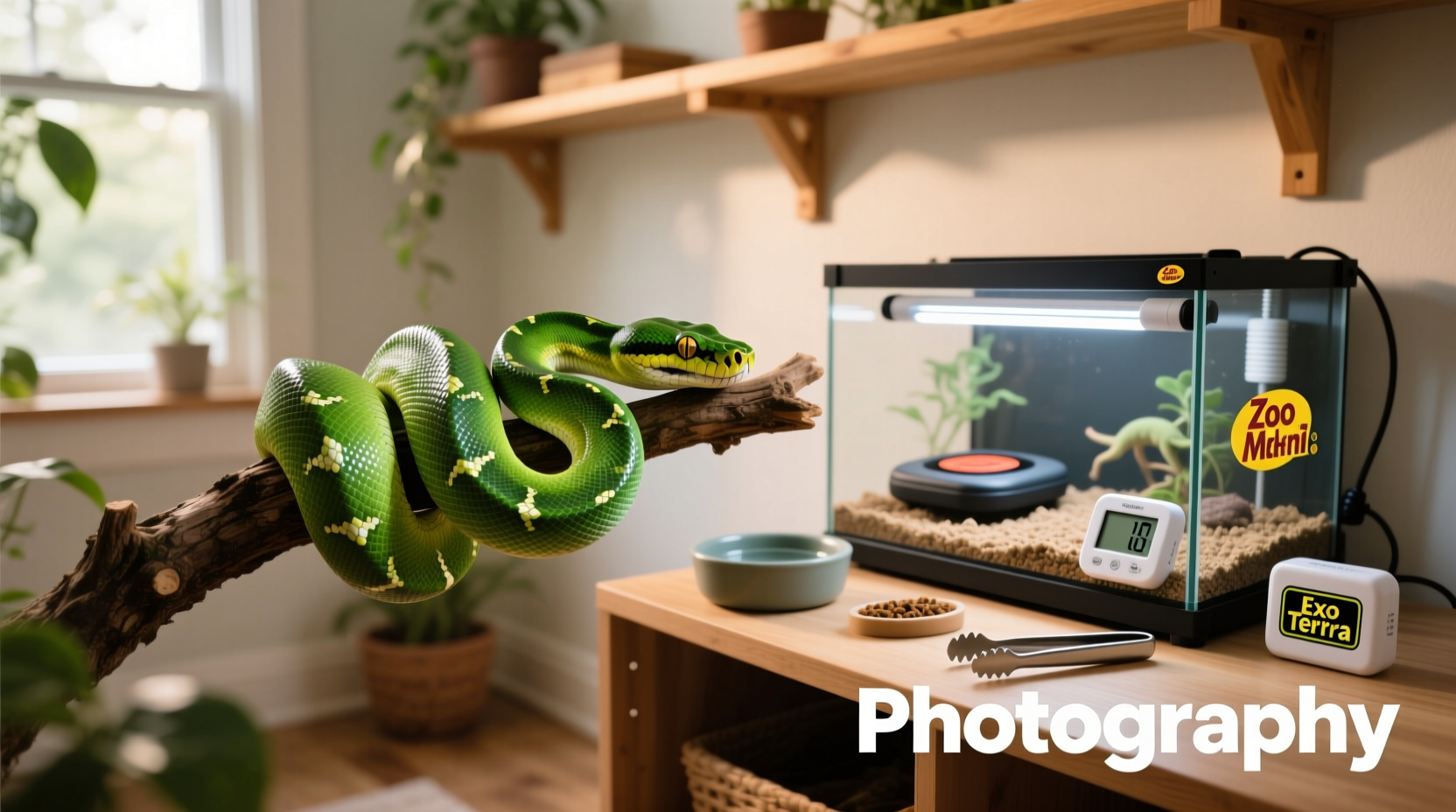
Not all snakes are created equal when it comes to cost, temperament, and care needs. Some species remain affordable not just at purchase but over their entire lifespan due to minimal feeding and housing demands. Below are three of the most accessible and widely recommended snakes for new owners looking to save money without sacrificing quality of life for their pet.
- Ball Python (Python regius): Often considered the gold standard for beginner snakes, ball pythons are docile, slow-moving, and adaptable. While morphs can be expensive, wild-type or “normal” ball pythons are often available for $50–$100 from reputable breeders.
- Kentucky Rat Snake (Pantherophis alleghaniensis): Hardy, active, and typically priced between $40 and $70, this North American native tolerates a range of temperatures and requires only moderate enclosure space.
- Rosy Boa (Lichanura trivirgata): Small, calm, and long-lived, rosy boas eat infrequently—sometimes only once every 3–4 weeks—which reduces long-term food costs. They usually cost $60–$90 and do well in compact habitats.
Essential Reptile Gear Without Overspending
A proper setup ensures your snake stays healthy and stress-free. However, many commercial kits include unnecessary accessories or subpar components. Building your own habitat with targeted purchases often saves money and improves functionality. Focus on five core elements: enclosure, heating, lighting, substrate, and hides.
| Item | Budget Option | Cost Range | Why It Works |
|---|---|---|---|
| Enclosure | Plastic storage tub with ventilation holes | $15–$30 | Durable, secure, retains heat/humidity; used by professional breeders |
| Heating | Under-tank heater + thermostat | $20–$40 | Provides consistent belly heat; thermostat prevents overheating |
| Thermometer/Hygrometer | Digital probe combo gauge | $12–$20 | Accurate monitoring critical for health; avoid analog models |
| Substrate | Paper towels or coconut fiber | $5–$10 per roll/bag | Cheap, safe, easy to clean; paper towels ideal for quarantine |
| Hides | Ceramic flower pot or PVC pipe | $3–$8 | Snakes need snug, dark spaces; DIY options work perfectly |
“Many people overspend on glass tanks and decorative backdrops before realizing their snake just wants a warm, hidden spot to feel safe.” — Dr. Laura Simmons, Herpetological Veterinarian
Step-by-Step Setup Guide for Under $150
Creating a functional, safe habitat doesn't require advanced skills or deep pockets. Follow this sequence to build an efficient setup using smart purchasing decisions.
- Choose the right enclosure size: A 20-gallon equivalent (e.g., 18” x 12” x 8”) is sufficient for most adult beginners’ snakes. Larger isn’t always better—it can make thermoregulation harder.
- Install a reliable heat source: Use a small under-tank heater on one side of the enclosure, controlled by a thermostat set to maintain a gradient of 75°F (cool side) to 88°F (warm side).
- Add basic monitoring tools: Place a digital thermometer probe inside on each end to verify temperatures. Include a hygrometer if keeping a humidity-dependent species like a ball python.
- Lay down simple substrate: Start with paper towels for ease of cleaning, especially during acclimation. Switch to coconut fiber later if desired.
- Provide two hides: One on the warm side, one on the cool. Ensure they’re snug enough that the snake’s body touches the sides—this provides security.
- Add a water bowl: Use a lightweight ceramic or plastic dish large enough for soaking but stable enough not to tip.
- Optional lighting: Most snakes don’t require UVB, but a low-wattage daylight bulb on a timer (12 hours on/off) helps establish a day-night cycle.
Mini Case Study: Alex’s First Snake on a Student Budget
Alex, a college sophomore living off-campus, wanted a pet but had limited funds and space. After researching, he chose a normal-colored corn snake from a local breeder for $65. He built his setup over two weeks using thrifted and discounted items: a modified plastic tote ($18), a used thermostat-controlled heat mat ($22), a digital temp gauge ($15), and paper towel rolls from home. His total initial investment was $97. Within a month, the snake was eating regularly and showing no signs of stress. Two years later, Alex still spends less than $5 per month on frozen mice and electricity, proving that affordability and responsible care aren’t mutually exclusive.
Common Mistakes That Increase Long-Term Costs
Saving money upfront can backfire if corners are cut on safety or sustainability. These seemingly small missteps often lead to vet bills or premature loss of the animal.
- Skipping the thermostat: Heat mats without thermostats can burn snakes or overheat enclosures. A $20 thermostat prevents costly emergencies.
- Using sand or cedar shavings: These substrates cause impaction or respiratory issues. Inexpensive doesn’t mean safe—stick to paper towels, aspen, or coconut fiber.
- Buying from chain pet stores: Animals here often come from mass breeders with poor conditions, leading to parasites or refusal to eat—both expensive to treat.
- Over-decorating: Fake plants, branches, and rocks look nice but complicate cleaning and may harbor bacteria. Prioritize function over form.
Frequently Asked Questions
How much does it really cost to feed a pet snake?
Most common pet snakes eat pre-killed frozen mice or rats. A juvenile might eat a small mouse every 5–7 days, costing about $1.50 per meal. An adult ball python may eat a large mouse every 10–14 days, averaging $30–$50 per year in food. Buying in bulk reduces costs further.
Do snakes need UVB lighting?
While not strictly required for survival, emerging research suggests some exposure to UVB light benefits reptiles’ immune function and calcium metabolism. For budget-conscious owners, providing indirect exposure via a nearby window (not direct sunlight) or a low-output UVB bulb 12 inches from the basking area 12 hours a day can help long-term health without significant expense.
Can I house multiple snakes together to save space?
No. Snakes are solitary animals. Housing them together increases stress, risk of injury, and disease transmission. Even siblings may compete for food or shed improperly. Each snake needs its own enclosure.
Smart Checklist Before You Buy
- ✔ Research species-specific temperature and humidity needs
- ✔ Source a captive-bred individual from a trusted breeder
- ✔ Prepare enclosure and test heating gradients before bringing the snake home
- ✔ Purchase a digital thermometer/hygrometer
- ✔ Stock up on appropriately sized frozen rodents and a thawing container
- ✔ Locate a reptile-experienced veterinarian nearby
- ✔ Set up a quarantine protocol for new arrivals
Final Thoughts
Responsible snake ownership begins with informed choices, not big spending. By selecting hardy, affordable species and assembling a practical, monitored habitat, even those on tight budgets can enjoy the rewards of reptile keeping. The initial investment pays dividends in reduced vet visits, consistent feeding, and a calm, thriving animal. Whether you're drawn to the quiet presence of a rosy boa or the classic elegance of a ball python, thoughtful planning ensures both you and your snake benefit for years to come.




 浙公网安备
33010002000092号
浙公网安备
33010002000092号 浙B2-20120091-4
Comments
No comments yet. Why don't you start the discussion?