
Africa is a continent of immense potential, home to over 1.4 billion people and rich in natural resources, cultural diversity, and youthful energy. Yet development across its 54 nations remains uneven. While countries like Rwanda, Ghana, and Mauritius have made significant strides in economic growth, infrastructure, and human development, others continue to struggle with instability, poor governance, and stagnation. Understanding why some African nations progress faster than others requires more than surface-level observation—it demands a deep look at institutional quality, policy choices, historical context, and external influences.
1. Governance and Institutional Quality
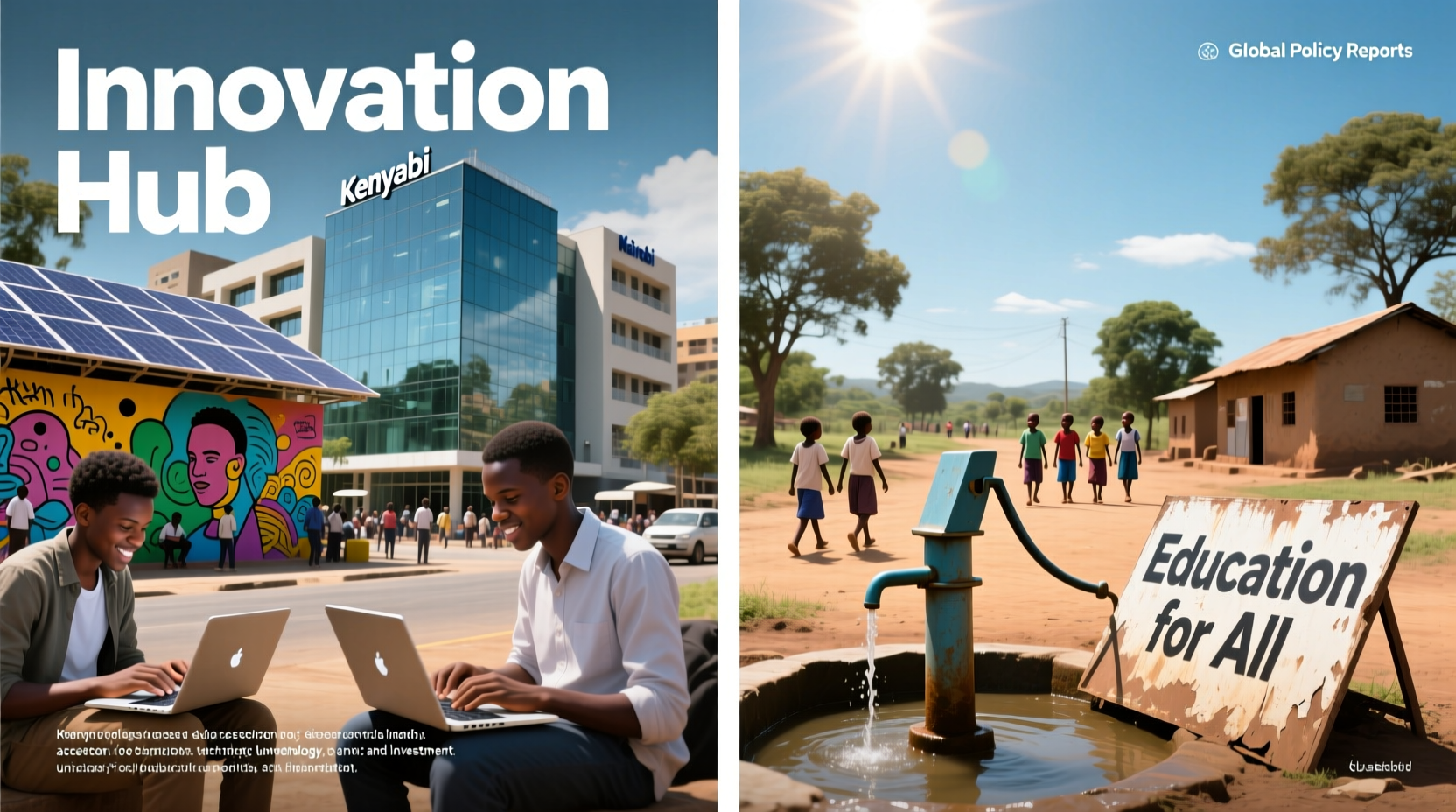
The foundation of sustained development lies in effective governance. Nations with transparent institutions, rule of law, and accountable leadership tend to attract investment, reduce corruption, and deliver public services efficiently. In contrast, weak institutions often lead to mismanagement, rent-seeking, and public distrust.
Rwanda stands out as a case where post-conflict reforms led to strong state capacity. After the 1994 genocide, the government under President Paul Kagame prioritized rebuilding institutions, enforcing anti-corruption measures, and decentralizing administration. As a result, Rwanda has consistently ranked among the top African countries in ease of doing business and government effectiveness.
“Good governance isn’t just about clean elections—it’s about building systems that endure beyond individual leaders.” — Dr. Carlos Lopes, Former Executive Secretary of the UN Economic Commission for Africa
2. Economic Policy and Diversification
Economic strategy plays a decisive role in development speed. Countries overly reliant on single commodities—such as oil or minerals—are vulnerable to price swings and Dutch disease, where resource wealth undermines other sectors.
Nigeria, despite being Africa’s largest economy by nominal GDP, has struggled with diversification. Oil accounts for over 80% of export earnings, leaving the economy exposed when global prices drop. In contrast, Ethiopia invested heavily in light manufacturing and export-oriented industrial parks, achieving double-digit growth for several years before recent conflicts disrupted progress.
| Country | Main Export | Diversification Index (Low-High) | GDP Growth Avg. (2010–2020) |
|---|---|---|---|
| Rwanda | Tea, Coffee, Minerals | High | 7.2% |
| Ghana | Gold, Oil, Cocoa | Medium | 5.8% |
| Angola | Oil | Low | 2.1% |
| Mauritius | Textiles, Tourism, Financial Services | Very High | 3.7% |
Diversified economies create resilient job markets and foster innovation. Governments that support SMEs, invest in education aligned with market needs, and promote regional trade integration position themselves for long-term success.
3. Human Capital and Education Investment
No development occurs without people. A nation’s ability to educate, train, and empower its population directly impacts productivity and innovation. Countries that prioritize health care, literacy, and technical training see higher returns on development.
Morocco, for instance, launched the *Education Emergency Program* in the early 2000s to reduce dropout rates and improve teacher quality. Over two decades, primary school enrollment rose from 75% to over 95%. This investment now supports growth in IT services and renewable energy sectors.
In contrast, nations like Niger and South Sudan face severe challenges due to low literacy rates and high youth unemployment. Without urgent investment in education and vocational training, these countries risk falling further behind.
Mini Case Study: Rwanda’s Digital Leap
Rwanda recognized early that technology could bypass traditional development bottlenecks. The government partnered with private firms to expand broadband access and launched initiatives like *Irembo*, an online platform for accessing over 100 public services—from birth registration to tax filing.
Schools introduced coding curricula, and Kigali became a hub for tech startups. By 2023, Rwanda had one of the highest smartphone penetration rates in East Africa. This digital transformation didn’t happen by accident; it was driven by coordinated policy, foreign partnerships, and a national vision for innovation-led growth.
4. Geopolitical Stability and Conflict Avoidance
Peace is a prerequisite for development. Armed conflict destroys infrastructure, displaces populations, and deters investment. According to the World Bank, civil wars can set back economic growth by up to 30 years.
Compare Uganda and the Democratic Republic of the Congo (DRC). Both are resource-rich and share regional proximity. Yet Uganda, despite past instability, has maintained relative peace since the late 1980s and seen steady growth. The DRC, however, continues to grapple with militia violence in the east, undermining mining revenues and humanitarian efforts.
Stability doesn’t only mean absence of war—it includes predictable legal frameworks, protection of property rights, and peaceful transitions of power. Botswana exemplifies this balance. Since independence in 1966, it has held regular democratic elections and avoided major conflict, allowing diamond wealth to fund education and health systems rather than military spending.
5. External Partnerships and Debt Management
Foreign aid, loans, and trade agreements shape development trajectories. While international support can accelerate progress, poor debt management can lead to dependency or crisis.
Zambia defaulted on its sovereign debt in 2020 after borrowing heavily from Chinese lenders to fund infrastructure. Meanwhile, Senegal negotiated transparent, project-specific loans and used them to build the Blaise Diagne International Airport and Dakar’s urban rail system—projects that boosted connectivity and commerce.
Development finance must be strategic. Grants and concessional loans should target high-impact sectors like energy and water, not vanity projects. Moreover, local ownership of development plans ensures sustainability beyond donor cycles.
Checklist: Key Drivers of Faster Development
- ✔️ Transparent and accountable governance
- ✔️ Economic diversification beyond raw materials
- ✔️ Investment in education and healthcare
- ✔️ Maintenance of peace and security
- ✔️ Strategic use of foreign investment and aid
- ✔️ Promotion of innovation and digital infrastructure
- ✔️ Protection of property rights and contract enforcement
FAQ
Why hasn’t resource wealth led to development in many African countries?
Resource abundance often leads to the “resource curse,” where revenues fuel corruption, undermine other industries, and concentrate power. Without strong institutions and transparent revenue management—as seen in Nigeria and Angola—mineral wealth rarely translates into broad-based development.
Can small African nations really compete globally?
Yes. Size is not destiny. Mauritius and Seychelles, though small, rank high in human development and economic freedom. With focused policies in niche sectors like financial services, tourism, or technology, smaller nations can achieve outsized impact.
Is democracy necessary for fast development?
Not always, but accountability is. Authoritarian regimes like Rwanda have achieved rapid growth, but sustainability depends on inclusive institutions. Democracies such as Ghana and Cape Verde show that political pluralism can coexist with sound economic management.
Conclusion
The pace of African development is not predetermined by geography or culture—it is shaped by choices. Leadership matters. Policy coherence matters. Civic engagement matters. Nations that build capable institutions, invest in people, and manage risks wisely move faster toward prosperity.
The continent’s future will not be written by external actors alone. It will be defined by how each country harnesses its greatest assets: its people, their ingenuity, and their determination to build better lives. The path forward is clear—for those willing to walk it with vision and integrity.




 浙公网安备
33010002000092号
浙公网安备
33010002000092号 浙B2-20120091-4
Comments
No comments yet. Why don't you start the discussion?