
Indoor air quality has become a growing concern for health-conscious individuals, especially with increased time spent indoors. As people seek solutions to breathe cleaner, fresher air, two devices frequently appear on shopping lists: air purifiers and essential oil diffusers. While both are commonly found in homes, their purposes—and impacts on air quality—are fundamentally different. One is engineered to clean the air; the other primarily adds fragrance. Understanding the distinction is crucial for making informed decisions about what truly enhances your indoor environment.
This article breaks down how each device works, evaluates their real impact on air quality, and helps you determine which—air purifier or essential oil diffuser—is genuinely effective at improving the air you breathe.
How Air Purifiers Work: Science Behind Clean Air
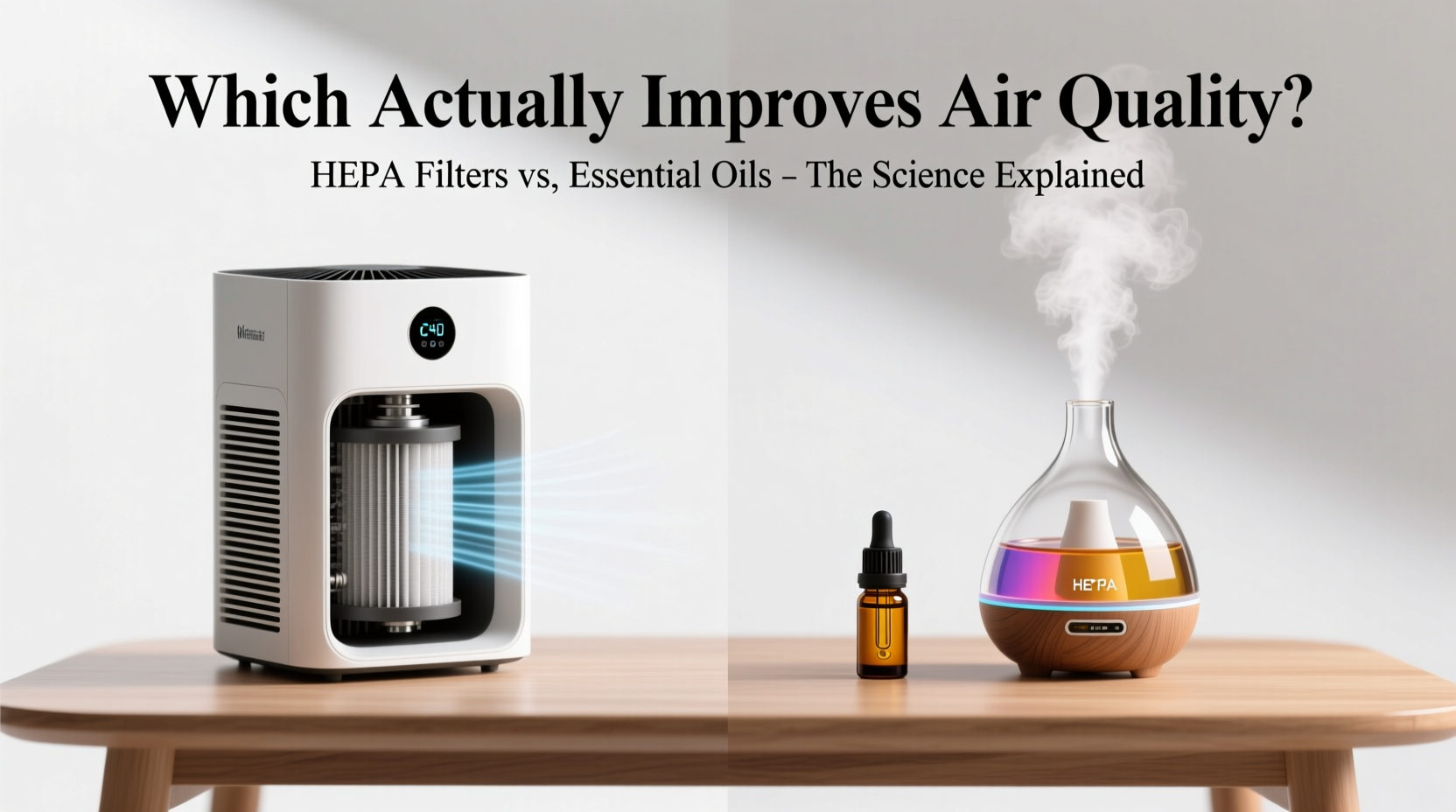
Air purifiers are designed specifically to reduce airborne pollutants. They pull in room air through a series of filters that capture contaminants before releasing cleaner air back into the space. Most high-performing models use a combination of filtration technologies:
- HEPA (High-Efficiency Particulate Air) filters: Capture 99.97% of particles as small as 0.3 microns, including dust, pollen, pet dander, mold spores, and some bacteria.
- Activated carbon filters: Absorb gases, odors, and volatile organic compounds (VOCs) from sources like cleaning products, paints, and cooking fumes.
- UV-C light (in some models): Helps neutralize viruses and bacteria by damaging their DNA, though effectiveness varies based on exposure time and intensity.
- Ionizers (optional): Release negative ions that attach to airborne particles, causing them to fall out of the air—though they may produce trace amounts of ozone, a lung irritant.
The U.S. Environmental Protection Agency (EPA) recognizes air purifiers as effective tools for reducing indoor air pollutants when properly matched to room size and used consistently. However, they do not eliminate all contaminants, nor do they replace source control (like removing mold or stopping smoking indoors) or adequate ventilation.
Essential Oil Diffusers: Aromatherapy vs. Air Quality
Essential oil diffusers serve a completely different purpose. Their primary function is to disperse aromatic plant extracts—essential oils—into the air using ultrasonic vibrations, heat, or evaporation. This process creates a pleasant scent and may offer psychological benefits such as relaxation or improved mood, depending on the oil used (e.g., lavender for calmness, eucalyptus for alertness).
However, diffusers do not remove pollutants. In fact, they can introduce new particles and chemicals into the air. When essential oils are aerosolized, they release volatile organic compounds (VOCs), some of which—like limonene or pinene—can react with ozone to form secondary pollutants such as formaldehyde and ultrafine particles.
“While aromatherapy has legitimate wellness applications, diffusing essential oils does not improve air quality. In some cases, it may worsen it, particularly for individuals with asthma or chemical sensitivities.” — Dr. Rebecca Thiele, Indoor Air Quality Specialist, Harvard T.H. Chan School of Public Health
Additionally, ultrasonic diffusers generate a fine mist that includes water vapor and oil droplets. This increases humidity slightly, which can encourage mold growth if overused in poorly ventilated spaces. Unlike air purifiers, diffusers lack filtration mechanisms and contribute nothing to particle removal.
Direct Comparison: Function, Benefits, and Risks
To clarify the differences between these two devices, here's a side-by-side comparison highlighting their core functions and effects on indoor air.
| Feature | Air Purifier | Essential Oil Diffuser |
|---|---|---|
| Purpose | Remove airborne pollutants (dust, allergens, smoke, VOCs) | Disperse fragrance for sensory or emotional effect |
| Filtration | Yes (HEPA, carbon, etc.) | No |
| Reduces Allergens? | Yes | No — may increase irritants |
| Improves Air Quality? | Yes, measurably | No — may degrade it |
| Emits Chemicals? | Rarely (unless ionizer produces ozone) | Yes (VOCs from essential oils) |
| Beneficial for Asthma/Allergies? | Yes, when properly used | Risky — potential trigger |
| Maintenance Required? | Filter replacements, regular cleaning | Cleaning reservoir, refilling water/oil |
The data is clear: only air purifiers actively improve air quality by reducing harmful particles and gases. Essential oil diffusers are best viewed as ambient accessories—not air-cleaning tools.
When Diffusers Can Be Harmful: Real-World Implications
Consider a real-life scenario: Sarah, a mother of two, began using a lavender essential oil diffuser nightly to help her children sleep. Within weeks, her younger son—who had mild seasonal allergies—started experiencing more frequent coughing and nasal congestion, especially at night. After consulting a pediatric pulmonologist, she learned that the diffused oils were irritating his airways. The lavender oil, while natural, contained compounds that acted as respiratory triggers in a sensitive individual.
Sarah replaced the diffuser with a HEPA air purifier in the bedroom and noticed significant improvement within days. Her son’s nighttime symptoms decreased, and overall sleep quality improved—not because of scent, but because the air was cleaner.
This case illustrates a common misconception: “natural” does not automatically mean “safe for indoor air.” Many essential oils are potent biochemicals. According to a 2021 study published in Indoor Air, prolonged exposure to diffused essential oils increased levels of ultrafine particles by up to 80% in test environments—levels comparable to those produced by candle burning or cooking without ventilation.
Can You Use Both? Best Practices for Combined Use
It is possible to use an air purifier and essential oil diffuser in the same home—but not necessarily in the same room or at the same time. If you enjoy aromatherapy, consider these guidelines to minimize risk and maintain air quality:
- Use diffusers sparingly: Limit sessions to 15–30 minutes in well-ventilated areas.
- Avoid continuous diffusion: Never run a diffuser overnight or all day long.
- Choose safer oils: Avoid citrus and pine oils (high in limonene), which react more readily with ozone.
- Keep away from vulnerable individuals: Do not diffuse around infants, elderly persons, or those with respiratory conditions.
- Run the air purifier afterward: Turn on a HEPA + carbon filter purifier after diffusing to help clear residual particles and VOCs.
Expert Checklist: Choosing the Right Device for Your Needs
Before purchasing any device, ask yourself the following questions to ensure you’re investing in something that aligns with your goals:
- Are you trying to reduce allergens or asthma triggers?
- ✅ Choose an air purifier with true HEPA and activated carbon filters.
- Do you want to eliminate cooking odors or pet smells?
- ✅ An air purifier with a substantial carbon filter is ideal.
- Are you looking to create a calming atmosphere?
- ✅ A diffuser may help, but use it cautiously and intermittently.
- Do you have pets, babies, or someone with COPD or asthma?
- ❌ Avoid essential oil diffusers in shared living spaces.
- Is your priority measurable air quality improvement?
- ✅ Only an air purifier delivers this benefit.
FAQ: Common Questions About Air Purifiers and Diffusers
Can an essential oil diffuser kill germs in the air?
No. While some essential oils have antimicrobial properties in lab settings, diffusing them does not effectively disinfect the air. The concentration released is far too low, and the process may generate harmful byproducts. UV-C air purifiers or proper ventilation are more reliable for pathogen reduction.
Is it safe to sleep with an essential oil diffuser running all night?
Not recommended. Continuous diffusion can lead to overexposure, respiratory irritation, and increased indoor particle levels. If used at all, limit diffusion to 30 minutes before bedtime and ensure the room is well-ventilated.
Do air purifiers remove odors from cooking or pets?
Yes, but only if they include a robust activated carbon filter. HEPA filters alone trap particles but not gases. Look for models with multiple pounds of carbon for best odor removal results.
Final Verdict: What Actually Improves Air Quality?
The answer is unequivocal: **air purifiers** improve air quality. They are scientifically designed and independently tested to remove harmful particles and gaseous pollutants from indoor environments. In contrast, essential oil diffusers add fragrance and may inadvertently compromise air quality by introducing volatile compounds and fine aerosols.
That doesn’t mean diffusers have no place in the home. Used mindfully, they can enhance mood, support relaxation, and provide a sensory experience. But equating them with air purification is a mistake—one that could affect the health of sensitive individuals.
If your goal is cleaner, healthier air, invest in a high-quality air purifier suited to your room size and specific concerns (allergies, smoke, odors). Reserve diffusers for occasional, short-term use, and never substitute them for proven air-cleaning technology.
“The most effective way to improve indoor air is through source control, ventilation, and mechanical filtration. Scent is not cleanliness.” — Dr. James Axley, Environmental Health Engineer, CDC
Take Action Today for Cleaner Indoor Air
Your lungs don’t distinguish between a pleasant smell and clean air—they respond to what’s actually in the air. If you’ve been relying on a diffuser to “freshen” your space, now is the time to reconsider. Evaluate your indoor environment: Are allergies worsening? Is there lingering dust or odor? These are signs that real air purification is needed.
Start by identifying your primary air quality concern—whether it’s pet dander, wildfire smoke, or household chemicals—then select an air purifier with the right combination of HEPA and carbon filtration. Monitor changes in symptoms, sleep quality, and overall comfort. The difference isn’t always noticeable immediately, but over time, cleaner air leads to better health.




 浙公网安备
33010002000092号
浙公网安备
33010002000092号 浙B2-20120091-4
Comments
No comments yet. Why don't you start the discussion?