
When it comes to protecting your AirPods (3rd generation), choosing the right case might seem like a minor decision. After all, Apple includes a charging case with the earbuds, so why invest in another? But as more users discover, the choice between a standard hard-shell cover and a silicone case goes beyond aesthetics—it impacts protection, usability, and long-term device care. The differences may appear subtle at first glance, but over time, they can significantly affect how well your AirPods survive daily use.
The answer isn’t simply “one is better.” It depends on your lifestyle, environment, and expectations for durability and grip. Let’s break down the real distinctions between standard and silicone cases, backed by practical insights and user experiences.
Understanding the Two Types of Cases
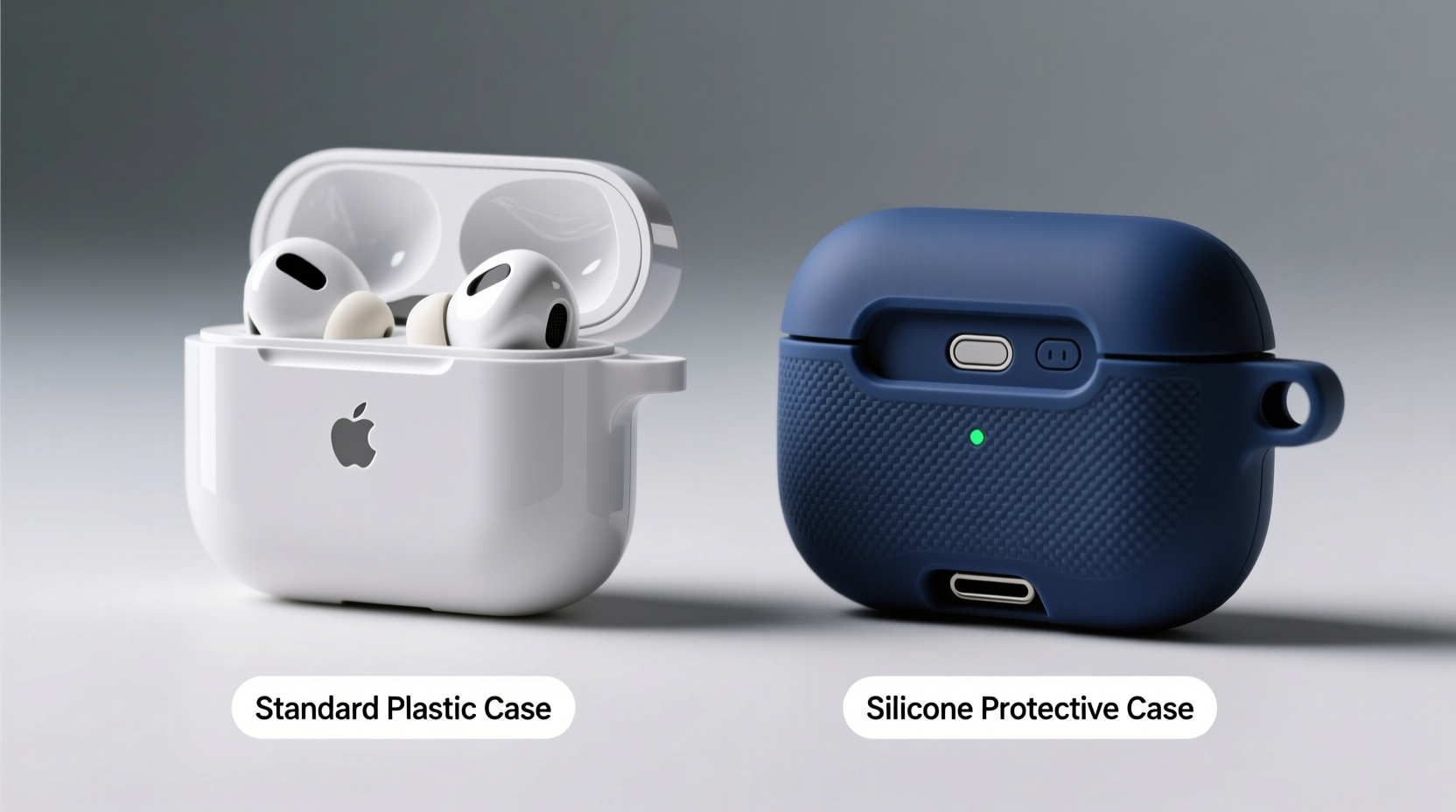
AirPods 3 come with a built-in rechargeable case, which is sleek and functional. However, this original case offers minimal scratch resistance and no drop protection. That’s where third-party cases come in—designed to shield the case itself from damage. Broadly, these fall into two categories:
- Standard (Hard-Shell) Covers: Typically made from rigid polycarbonate or ABS plastic, these are form-fitting shells that snap onto the AirPods case. They prioritize slimness and precise cutouts.
- Silicone Cases: Made from flexible, rubber-like TPU or food-grade silicone, these offer cushioning, improved grip, and often a slightly raised bezel around buttons and ports.
While both aim to protect, their materials and design philosophies lead to divergent performance in real-world scenarios.
Protection: Impact Resistance vs. Scratch Defense
One of the most critical differences lies in impact absorption. Hard-shell cases provide excellent defense against scratches and light scuffs but offer little shock absorption. If you drop your AirPods from waist height onto concrete, a standard cover may crack or split, transferring force directly to the internal case.
In contrast, silicone cases act like a buffer. Their elasticity allows them to compress upon impact, dispersing energy across the surface. This makes them far more effective at surviving accidental drops—a common occurrence for portable audio gear.
Real-World Example: Commuter Drop Test
Consider Sarah, a city commuter who uses her AirPods daily on subway rides. One morning, she pulls her earbuds from her coat pocket—only to fumble them onto the tiled station floor. Her AirPods were in a clear hard-shell case. Upon inspection, the cover had a hairline crack near the hinge, and the white finish was chipped. A month later, after switching to a matte black silicone sleeve, the same scenario repeated. This time, the case bounced, showed no visible damage, and the AirPods inside remained unharmed.
This isn’t an isolated experience. Many users report similar outcomes when comparing rigid versus flexible protection under everyday stress.
Fit and Functionality Comparison
Precision matters. Both case types must maintain access to controls, charging ports, and status indicators without interference. Here's how they stack up:
| Feature | Standard Hard Shell | Silicone Case |
|---|---|---|
| Fits Snugly? | Yes – laser-cut for exact dimensions | Yes – stretch-fit design molds to shape |
| Interferes with Charging? | Rarely – flat back allows MagSafe compatibility | Sometimes – thicker models may reduce wireless efficiency |
| Button Responsiveness | Excellent – direct press feel | Good – slight softness due to padding |
| Dust/Debris Resistance | Moderate – gaps possible at seams | Better – tighter seal due to flexibility |
| Drop Protection | Poor – rigid material cracks easily | Strong – absorbs impact effectively |
As shown, neither option wins across the board. Hard shells preserve the original look and charging functionality better, while silicone adds tactile benefits and resilience.
“Most damage to AirPods cases doesn’t come from deliberate misuse—it’s micro-drops, pocket friction, and surface contact over time. Silicone mitigates cumulative wear better than any rigid shell.” — Jordan Lee, Consumer Electronics Durability Analyst
Longevity and Maintenance
Durability isn’t just about surviving drops—it’s also about aging gracefully. Hard-shell cases, especially transparent ones, tend to yellow within months due to UV exposure and skin oils. Once discolored, they’re difficult to clean without scratching.
Silicone fares better in color retention, particularly if treated with a matte finish. However, lighter shades can attract lint and dust, requiring regular wiping. Darker or textured silicone resists grime more effectively.
Cleaning methods differ too:
- Hard Shell: Wipe with a microfiber cloth dampened with water. Avoid alcohol-based cleaners to prevent coating degradation.
- Silicone: Can be washed gently with mild soap and rinsed. Some users even remove and soak theirs monthly.
Step-by-Step: Choosing the Right Case for Your Lifestyle
Selecting between a standard and silicone case shouldn’t be arbitrary. Follow this simple decision path:
- Assess Your Environment: Do you work outdoors, commute heavily, or have kids/pets nearby? High-risk environments favor silicone.
- Evaluate Charging Habits: If you rely on MagSafe or Qi wireless charging, ensure the case doesn’t insulate the back excessively.
- Check Grip Needs: If you often handle your AirPods with sweaty or wet hands, silicone provides superior traction.
- Consider Aesthetics: Want to show off the original AirPods design? Clear hard shells preserve visibility. Prefer texture and color variety? Silicone offers broader options.
- Test Removal Frequency: If you take your AirPods in and out constantly, a snug silicone fit prevents accidental ejection during removal.
FAQ: Common Questions About AirPods 3 Cases
Does a silicone case interfere with wireless charging?
Most high-quality silicone cases are thin enough (1–2mm) to allow efficient wireless charging. However, overly thick or metallic-infused sleeves may reduce speed or prevent connection. Always verify MagSafe compatibility before purchase.
Can I use an AirPods Pro case for my AirPods 3?
No. Despite similarities, the AirPods (3rd gen) and AirPods Pro have slightly different dimensions and button placements. Cases are not interchangeable and may block controls or fail to close properly.
Are expensive branded cases worth it?
Not necessarily. While brands like Speck or Incipio offer reinforced corners and lifetime warranties, many affordable silicone options from reputable sellers perform equally well in drop tests. Focus on material quality and user reviews rather than logo appeal.
Final Verdict: Is the Difference Significant?
Yes—the difference between a standard hard-shell cover and a silicone case is meaningful, though not always decisive. For users who keep their devices in padded bags or use them in low-risk settings, a slim hard shell offers clean looks and full functionality. But for anyone leading an active life, dealing with variable conditions, or simply tired of replacing cracked cases, silicone delivers measurable advantages in longevity and protection.
The added cushioning, better grip, and resistance to everyday wear make silicone a smarter long-term investment for most people. It transforms the AirPods case from a fragile accessory into a resilient tool.




 浙公网安备
33010002000092号
浙公网安备
33010002000092号 浙B2-20120091-4
Comments
No comments yet. Why don't you start the discussion?