
A colonoscopy is one of the most effective tools for detecting colorectal cancer early and managing digestive health. But what you do in the days leading up to the procedure can significantly impact its success. One common question patients ask: Can I drink alcohol before a colonoscopy? The short answer is no—and there are solid medical reasons behind that rule. Understanding why alcohol is off-limits and knowing exactly when to stop drinking can help ensure your prep works properly, your results are accurate, and your recovery goes smoothly.
Why Alcohol Interferes with Colonoscopy Preparation
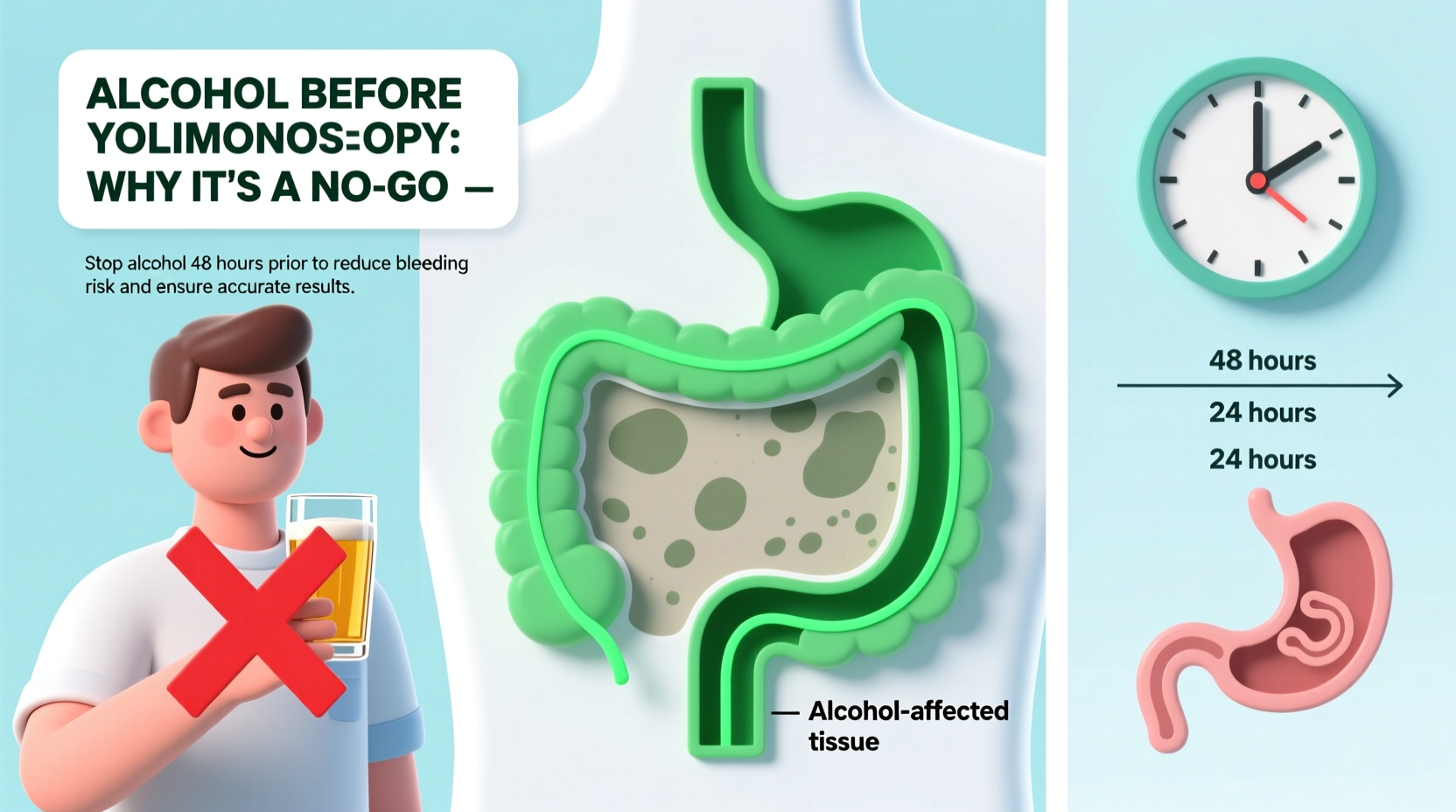
The goal of colonoscopy prep is to completely clear the colon so the gastroenterologist can get a clear view of the intestinal lining. This requires following a strict bowel-cleansing regimen, usually involving a liquid diet and a strong laxative solution. Alcohol disrupts this process in several key ways:
- Dehydration: Alcohol is a diuretic, meaning it increases urine production and accelerates fluid loss. Since colonoscopy prep already causes significant fluid loss through frequent bowel movements, adding alcohol dramatically raises the risk of dehydration.
- Electrolyte imbalance: Dehydration from alcohol and laxatives together can lead to dangerous shifts in sodium, potassium, and magnesium levels. This may cause dizziness, fatigue, muscle cramps, or even cardiac complications in vulnerable individuals.
- Interference with liver metabolism: Your liver processes both alcohol and sedatives used during the procedure. Drinking beforehand taxes the liver, potentially altering how your body responds to anesthesia.
- Gastrointestinal irritation: Alcohol irritates the stomach and intestinal lining, which may increase nausea or discomfort during prep and make it harder to tolerate cleansing solutions.
When to Stop Drinking Alcohol Before a Colonoscopy
Timing matters. Most gastroenterologists recommend stopping alcohol at least **72 hours (3 full days) before your colonoscopy**. This window allows your body to rehydrate, stabilize electrolytes, and restore normal liver function before sedation.
If your colonoscopy is scheduled for Friday morning, you should stop drinking by Tuesday night. For afternoon procedures, err on the side of caution and cut off alcohol by Monday evening.
“Alcohol use within three days of a colonoscopy increases complication risks, especially dehydration and adverse reactions to sedation.” — Dr. Alan Reyes, Gastroenterologist, Mayo Clinic
Step-by-Step Timeline: What to Do When
- 7–3 Days Before: Begin reducing alcohol intake. Avoid binge drinking or heavy consumption. Focus on hydration with water and balanced meals.
- 72 Hours Before: Stop all alcohol completely. Switch to approved clear liquids only as you approach the prep phase.
- 48–24 Hours Before: Start low-fiber or clear liquid diet as directed. Continue hydrating with non-alcoholic fluids.
- Night Before: Complete bowel prep as instructed. No alcohol, no exceptions.
- Day of Procedure: Nothing by mouth (including alcohol) for at least 4–6 hours before your appointment, per your doctor’s instructions.
Risks of Drinking Alcohol Too Close to the Procedure
Bypassing alcohol restrictions might seem harmless, but the consequences can be serious. Real-world cases show that even moderate drinking can derail a colonoscopy:
Mini Case Study: Delayed Procedure Due to Dehydration
Mark, a 52-year-old patient, had his first colonoscopy scheduled after a positive FIT test. Despite receiving prep instructions, he attended a work dinner two nights before the procedure and consumed three glasses of wine. By the morning of prep, he was lightheaded and nauseous. During the bowel cleanse, he developed severe cramping and couldn’t finish the solution. On arrival, his blood pressure was low and labs showed mild hyponatremia. The gastroenterology team postponed the colonoscopy due to inadequate prep and dehydration risk. Mark rescheduled for six weeks later, having learned the hard way that alcohol compromises more than just sobriety—it impacts medical safety.
This case illustrates how seemingly small choices can have big clinical consequences. Alcohol doesn’t just affect your liver; it undermines the entire diagnostic process.
Do’s and Don’ts: Alcohol and Colonoscopy Prep
| Do’s | Don’ts |
|---|---|
| Drink plenty of water and clear fluids | Consume any form of alcohol (beer, wine, spirits) |
| Follow your doctor’s dietary guidelines exactly | Mix alcohol with bowel prep solutions |
| Stop alcohol at least 72 hours in advance | Assume “just one drink” is safe |
| Use oral rehydration solutions if approved | Ignore signs of dehydration (dizziness, dark urine) |
| Contact your doctor if you feel unwell during prep | Resume alcohol immediately after the procedure (wait until fully recovered from sedation) |
Frequently Asked Questions
Can I drink alcohol the night after my colonoscopy?
It’s best to wait at least 24 hours after the procedure before consuming alcohol. Sedatives like midazolam or fentanyl can linger in your system, and combining them with alcohol increases the risk of drowsiness, dizziness, and impaired judgment. Additionally, your digestive tract may still be sensitive. Wait until you’re fully alert, hydrated, and back to a normal diet before considering alcohol.
What if I drank alcohol less than 72 hours before my colonoscopy?
If you’ve consumed alcohol within three days of your procedure, inform your gastroenterologist immediately. They may assess your hydration status, adjust sedation dosage, or reschedule if necessary. Honesty ensures your safety and the integrity of the exam.
Are non-alcoholic beers or wines safe?
Most “non-alcoholic” beverages still contain trace amounts of alcohol (up to 0.5%). While minimal, these can still pose risks for individuals with liver conditions or those extremely sensitive to alcohol. It’s safest to avoid them entirely during the prep period. Stick to clearly labeled, alcohol-free options only if explicitly approved by your care team.
Putting Safety First: A Checklist for Success
- ✅ Confirm your colonoscopy date and prep start time with your provider
- ✅ Review all medication and supplement restrictions, including alcohol
- ✅ Stop drinking alcohol at least 72 hours before the procedure
- ✅ Stock up on clear liquids: water, broth, sports drinks (no red/purple)
- ✅ Arrange for a driver—you cannot drive after sedation
- ✅ Monitor for symptoms of dehydration: dry mouth, headache, reduced urination
- ✅ Call your doctor if you vomit the prep solution or feel severely unwell
Conclusion
Avoiding alcohol before a colonoscopy isn’t just a suggestion—it’s a critical step in ensuring your procedure is safe, effective, and accurate. From preventing dehydration to supporting proper sedation metabolism, your choices in the days leading up to the exam directly influence the outcome. By stopping alcohol at least 72 hours in advance and following prep instructions closely, you give yourself the best chance for a successful screening and peace of mind about your digestive health.




 浙公网安备
33010002000092号
浙公网安备
33010002000092号 浙B2-20120091-4
Comments
No comments yet. Why don't you start the discussion?