
Alex Standall is one of the most complex and evolving characters in the Netflix series *13 Reasons Why*. Initially introduced as a seemingly minor player in Hannah Baker’s story, Alex quickly becomes central to the show’s exploration of identity, guilt, redemption, and mental health. His journey—from a careless high school student to a survivor grappling with trauma—resonates with audiences navigating similar emotional terrain. This article dives deep into Alex’s role, the actor behind the performance, and why his story matters in modern teen drama.
The Evolution of Alex Standall: From Side Character to Central Figure
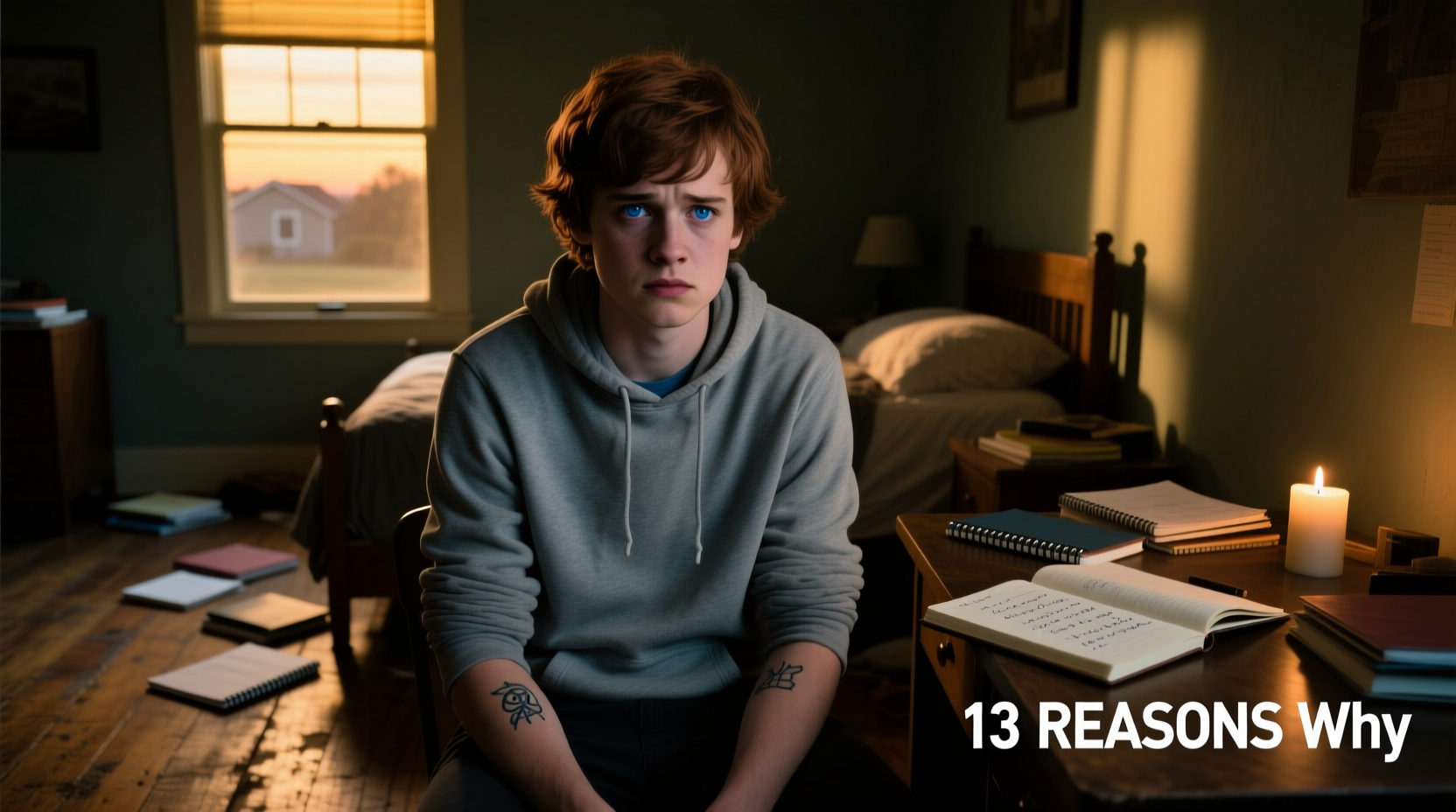
At first glance, Alex appears to be just another teenager caught in the tangled web of high school social dynamics. In Season 1, he creates a \"hot or not\" list that ranks female classmates, including Hannah Baker. While not overtly malicious, this act contributes to the environment of objectification and humiliation that pushes Hannah toward despair. However, rather than remaining a static symbol of teenage insensitivity, Alex undergoes one of the most dramatic arcs in the series.
After being shot in Season 1—a pivotal moment that nearly kills him—Alex spends much of Season 2 recovering physically and emotionally. The shooting leaves him with memory gaps and cognitive challenges, forcing him to confront the consequences of his past actions without the comfort of denial. As he pieces together what happened, he begins to take responsibility for his role in Hannah’s story, eventually becoming an advocate for truth and accountability.
Themes Embodied by Alex’s Character
- Guilt and Redemption: Alex struggles with knowing he contributed to a tragedy, but instead of shutting down, he seeks ways to make amends.
- Mental Health Recovery: His brain injury forces him into therapy, medication management, and relearning basic social interactions—mirroring real-life TBI (traumatic brain injury) experiences.
- LGBTQ+ Identity: Alex’s romantic relationship with Zach Dempsey and later with Cyrus plots one of the few queer male storylines in mainstream teen TV.
- Male Vulnerability: Unlike traditional portrayals of masculinity, Alex cries, asks for help, and questions his worth—offering a rare model of emotional openness.
Ross Butler: The Actor Behind Alex (and More)
The role of Alex Standall was originally played by Ross Butler in Season 1. Known for his charismatic presence and sharp features, Butler brought a charm to Alex that made his early missteps feel all the more tragic—not because he was evil, but because he was blind to their impact.
However, due to scheduling conflicts with *Riverdale*, where Butler plays Reggie Mantle, the role was recast starting in Season 2. Christian Navarro took over the part and received widespread praise for his nuanced portrayal of Alex’s post-trauma recovery. Despite the change, the writers maintained continuity in Alex’s voice and emotional arc, allowing the character to grow seamlessly under new interpretation.
“Playing Alex forced me to sit with discomfort—guilt, confusion, shame. It wasn’t about being likable; it was about being honest.” — Christian Navarro, in an interview with *Teen Vogue*
Christian Navarro’s Contribution to the Role
Navarro didn’t just step into someone else’s shoes—he reshaped the character with deeper psychological realism. His background in theater and psychology informed his approach to Alex’s PTSD, anxiety, and speech difficulties. He worked closely with neurologists and speech therapists to accurately depict the effects of traumatic brain injury.
One standout moment is Alex’s monologue in Season 3, where he confesses to Jessica Davis that he once ranked her on the list too. Instead of deflecting blame, he says, “I don’t expect you to forgive me. I just needed you to know.” That scene became a fan favorite for its raw honesty and vulnerability.
Why Alex’s Story Matters in Teen Drama
In a genre often criticized for sensationalism, Alex’s narrative stands out for its commitment to emotional authenticity. Unlike characters who remain villains or victims, Alex occupies a gray area—he causes harm, survives trauma, makes mistakes, and still tries to do better. This complexity reflects real adolescent development, where growth isn’t linear and people are rarely all good or all bad.
Moreover, Alex’s journey highlights how systems fail teens. No one at Liberty High intervenes when the \"hot or not\" list circulates. After his injury, he receives inconsistent support from educators and administrators. These omissions underscore the need for better mental health resources and anti-bullying policies in schools.
| Season | Key Development | Actor |
|---|---|---|
| 1 | Creates ranking list; shot after Bryce attacks him | Ross Butler |
| 2 | Recovers from injury; begins therapy; learns truth about list | Christian Navarro |
| 3 | Confronts past; starts relationship with Cyrus; supports Justin’s overdose storyline | Christian Navarro |
| 4 | Graduates; testifies against Bryce; finds closure | Christian Navarro |
Mini Case Study: Alex’s Therapy Scenes as Emotional Anchors
In Season 2, Episode 5 (“The Box”), Alex attends a therapy session where he recounts fragmented memories of the night he was shot. The camera stays tightly focused on his face as he stumbles over words, pauses mid-sentence, and wipes tears silently. There’s no dramatic music or cutaways—just a young man trying to speak his truth despite neurological barriers.
This scene resonated with viewers who have experienced trauma or cognitive impairments. One Reddit user shared: “I have aphasia after a car accident. Watching Alex struggle to form sentences felt like seeing my own experience validated on screen for the first time.”
The power of this moment lies in its restraint. Rather than dramatizing disability, the show presents it matter-of-factly—allowing empathy to emerge naturally from authenticity.
Actionable Takeaways for Understanding Complex Characters Like Alex
- Look beyond initial impressions: Characters (and people) can evolve. Judging them solely on early behavior ignores potential for growth.
- Consider context over caricature: Ask why a character acts a certain way. Was Alex malicious, or immature? The answer shapes how we interpret his redemption.
- Recognize narrative purpose: Alex serves as a bridge between different storylines—Hannah’s legacy, Zach’s loyalty, Jessica’s trauma—making him a thematic linchpin.
- Engage critically with casting changes: When roles are recast, assess how the new actor honors the character’s essence while adding fresh layers.
- Discuss responsibly: Avoid labeling characters as “toxic” or “redeemed” without examining the societal forces shaping their choices.
Checklist: How to Analyze a Multidimensional Character Like Alex
- ✅ Identify key turning points in their arc
- ✅ Note shifts in relationships over time
- ✅ Track dialogue patterns (e.g., confidence vs. hesitation)
- ✅ Research actor interpretations and behind-the-scenes insights
- ✅ Compare audience reactions across seasons
Frequently Asked Questions
Why did Ross Butler leave '13 Reasons Why'?
Ross Butler departed after Season 1 due to overlapping filming schedules with *Riverdale*, where he plays a main role. The producers recast the role to maintain Alex’s presence in the ongoing narrative.
Is Alex Standall gay or bisexual?
The show never explicitly labels Alex’s sexuality. He dates both male and female characters, suggesting fluidity. His relationship with Cyrus is portrayed with tenderness and mutual respect, contributing positively to LGBTQ+ representation.
Did Alex redeem himself by the end of the series?
Redemption is subjective, but Alex takes concrete steps: apologizing sincerely, supporting survivors, testifying against Bryce Walker, and prioritizing emotional honesty. Whether viewers grant him full redemption depends on individual perspectives on accountability and forgiveness.
Conclusion: Why We Need Stories Like Alex’s
Alex Standall’s journey reminds us that people are capable of change—even after causing harm. In an era where public discourse often reduces individuals to villains or victims, his story offers something more human: imperfection, regret, effort, and fragile hope.
Behind the scenes, Christian Navarro’s performance elevates the material with compassion and precision. Together, character and actor challenge stereotypes about masculinity, disability, and moral simplicity in youth-oriented media.




 浙公网安备
33010002000092号
浙公网安备
33010002000092号 浙B2-20120091-4
Comments
No comments yet. Why don't you start the discussion?