
Green, slimy water is not what anyone wants when they open their pool for a refreshing swim. Algae growth is one of the most common and frustrating issues pool owners face. While algae itself isn’t typically harmful, it creates slippery surfaces, clogs filters, and can harbor bacteria. More importantly, it’s a sign that your water chemistry or maintenance routine needs attention. The good news is that with the right approach, you can eliminate algae and keep your pool clear all season long.
Understanding Pool Algae: Types and Triggers
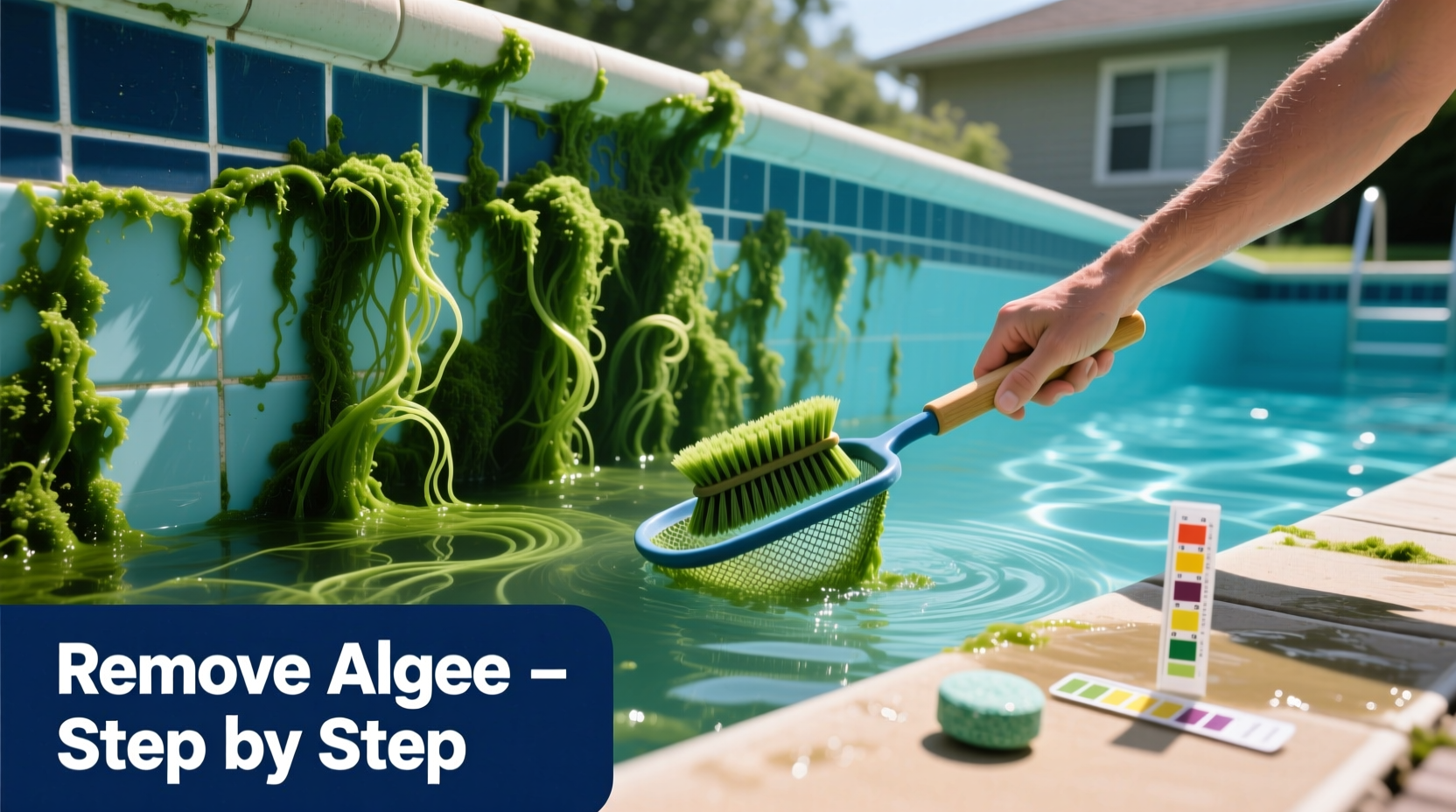
Algae are microscopic organisms that thrive in warm, sunlit, nutrient-rich water—conditions commonly found in backyard pools. They enter through wind, rain, contaminated equipment, or even swimsuits. Once established, they multiply rapidly under poor chemical balance or inadequate circulation.
There are three primary types of algae found in swimming pools:
- Green Algae: The most common type, turning water cloudy and green. It often appears first on pool walls and steps.
- Yellow (Mustard) Algae: More resistant to chlorine, this algae forms yellowish patches, usually in shaded areas. It feels slick and returns quickly if not fully treated.
- Black Algae: Actually blue-green bacteria, it forms dark, root-like colonies in plaster cracks or tile grout. Extremely stubborn due to its protective outer layer.
“Algae blooms are rarely about contamination alone—they’re a symptom of imbalance. Consistent sanitizer levels and circulation are your best defense.” — Dr. Linda Harper, Aquatic Chemist and Pool Water Specialist
Root Causes of Algae Growth
Algae don’t appear out of nowhere. Several interrelated factors create the perfect environment for an outbreak:
- Low Chlorine Levels: Free chlorine below 1–3 ppm allows algae spores to activate and grow.
- Poor Circulation: Dead zones with little water movement become breeding grounds.
- Inadequate Filtration: A dirty or undersized filter fails to remove organic debris that feeds algae.
- Unbalanced pH: pH above 7.8 reduces chlorine effectiveness by up to 50%.
- Organic Debris: Leaves, pollen, and sweat introduce nutrients like nitrogen and phosphates.
- Warm Weather and Sunlight: Algae photosynthesize and reproduce faster in summer months.
Even a single factor can initiate a bloom, but combinations—like low chlorine after a heavy storm—are high-risk scenarios.
Step-by-Step Guide to Eliminating Algae
Clearing a green or contaminated pool requires more than just adding chlorine. Follow this proven five-step process for complete eradication:
- Test and Balance Water Chemistry: Use a reliable test kit to check pH (ideal: 7.2–7.6), alkalinity (80–120 ppm), and chlorine. Adjust pH first—chlorine works best in slightly acidic water.
- Brush All Surfaces: Scrub walls, floor, steps, and corners with a nylon or stainless steel brush (depending on your pool finish). This dislodges biofilm and exposes algae to chemicals.
- Shock the Pool: Add a high dose of chlorine shock—typically 3–5 times the normal amount. For severe cases, use a non-chlorine shock followed by a chlorine-based product. Cal-Hypo shock also adds calcium, so consider liquid chlorine for vinyl or fiberglass pools.
- Run the Filter Continuously: Operate the pump for 24–48 hours post-shock. Clean or backwash the filter every 8–12 hours as debris loads increase.
- Vacuum and Rebalance: After 24 hours, vacuum any dead algae from the bottom. Retest water and adjust sanitizer and pH as needed.
For mustard or black algae, repeat brushing and shocking over several days. Black algae may require spot-treatment with a concentrated chlorine paste applied directly to colonies.
Prevention Checklist: Stop Algae Before It Starts
Once your pool is clean, maintaining clarity is far easier than treating an outbreak. Use this daily and weekly checklist to stay ahead:
- ✅ Test water 2–3 times per week for chlorine and pH
- ✅ Maintain free chlorine at 1–3 ppm
- ✅ Run the pump for 8–12 hours daily (longer in hot weather)
- ✅ Skim surface debris and empty skimmer baskets regularly
- ✅ Brush pool walls and floor weekly
- ✅ Clean filter monthly or when pressure rises 8–10 psi above normal
- ✅ Use a phosphate remover if levels exceed 100 ppb
- ✅ Cover the pool during storms or extended downtime
Do’s and Don’ts When Treating Algae
| Do | Don’t |
|---|---|
| Test water before adding any chemicals | Mix different pool chemicals together in a bucket |
| Brush algae before shocking | Swim until chlorine drops below 5 ppm after shocking |
| Backwash or clean the filter during treatment | Ignore cyanuric acid (stabilizer) levels above 80 ppm |
| Use algaecide as a preventive measure | Over-rely on algaecide instead of balancing chlorine |
| Keep pool covers clean and dry when stored | Let leaves or debris sit in the pool for days |
Real Example: Recovering a Neglected Backyard Pool
Mark, a homeowner in Phoenix, returned from vacation to find his pool completely green and covered in a slick film. He assumed it was ruined and considered draining it. Instead, he followed a structured cleanup plan:
He started by testing the water—pH was 8.2, and chlorine was undetectable. After lowering pH to 7.4 with muriatic acid, he brushed the entire pool vigorously. He then added 6 pounds of cal-hypo shock in the evening and ran the pump for 36 hours straight. The filter pressure spiked, so he backwashed twice. By day two, the water began clearing. On day three, he vacuumed the settled debris and retested. With balanced chlorine and pH, he added a polyquat algaecide to prevent regrowth. Within five days, the pool was crystal clear. Mark now tests water twice weekly and brushes every Saturday—no recurrence in eight months.
Frequently Asked Questions
Can I swim in a pool with algae?
No. Algae creates slippery surfaces that increase fall risk, and it can harbor bacteria like E. coli. Additionally, the chemical treatments required to kill algae make water unsafe for swimming until levels stabilize.
Why does algae keep coming back after treatment?
Recurring algae often indicates incomplete treatment, insufficient brushing, unbalanced water, or high phosphate levels. Black and mustard algae have protective layers—multiple shock treatments and direct brushing are essential.
Is it safe to use household bleach to kill pool algae?
While bleach contains sodium hypochlorite (like liquid chlorine), it may include fragrances or thickeners unsuitable for pools. Use only pool-grade chlorine products designed for aquatic environments to avoid foaming or water instability.
Conclusion: Take Control of Your Pool’s Health
Algae growth is a manageable issue—not a permanent flaw in your pool setup. Understanding the causes, acting swiftly with proper treatment, and committing to consistent maintenance transforms a murky mess into sparkling, inviting water. You don’t need expensive equipment or constant effort—just smart habits and timely action. Start today by testing your water, cleaning your filter, and setting a brushing schedule. Your pool should be a source of relaxation, not frustration.




 浙公网安备
33010002000092号
浙公网安备
33010002000092号 浙B2-20120091-4
Comments
No comments yet. Why don't you start the discussion?