
Running out of allspice mid-recipe can be frustrating, especially when its warm, complex flavor is integral to dishes like jerk chicken, spiced stews, or pumpkin pie. Despite its name, allspice is not a blend but a single dried berry with a taste reminiscent of cinnamon, cloves, and nutmeg combined. When unavailable, finding an accurate substitute requires understanding its unique profile and how to replicate it using common pantry spices. The right replacement maintains both the aroma and balance of sweet and savory notes that define allspice’s role in global cuisines—from Caribbean curries to Middle Eastern meat rubs and European desserts.
Substituting allspice isn’t about direct replication but strategic approximation. A well-chosen alternative preserves the depth and warmth expected in the dish without introducing off-notes or overpowering other ingredients. This guide explores effective allspice substitutes, their proportions, ideal applications, and common pitfalls to avoid—equipping home cooks with reliable solutions grounded in flavor science and culinary practice.
Definition & Overview
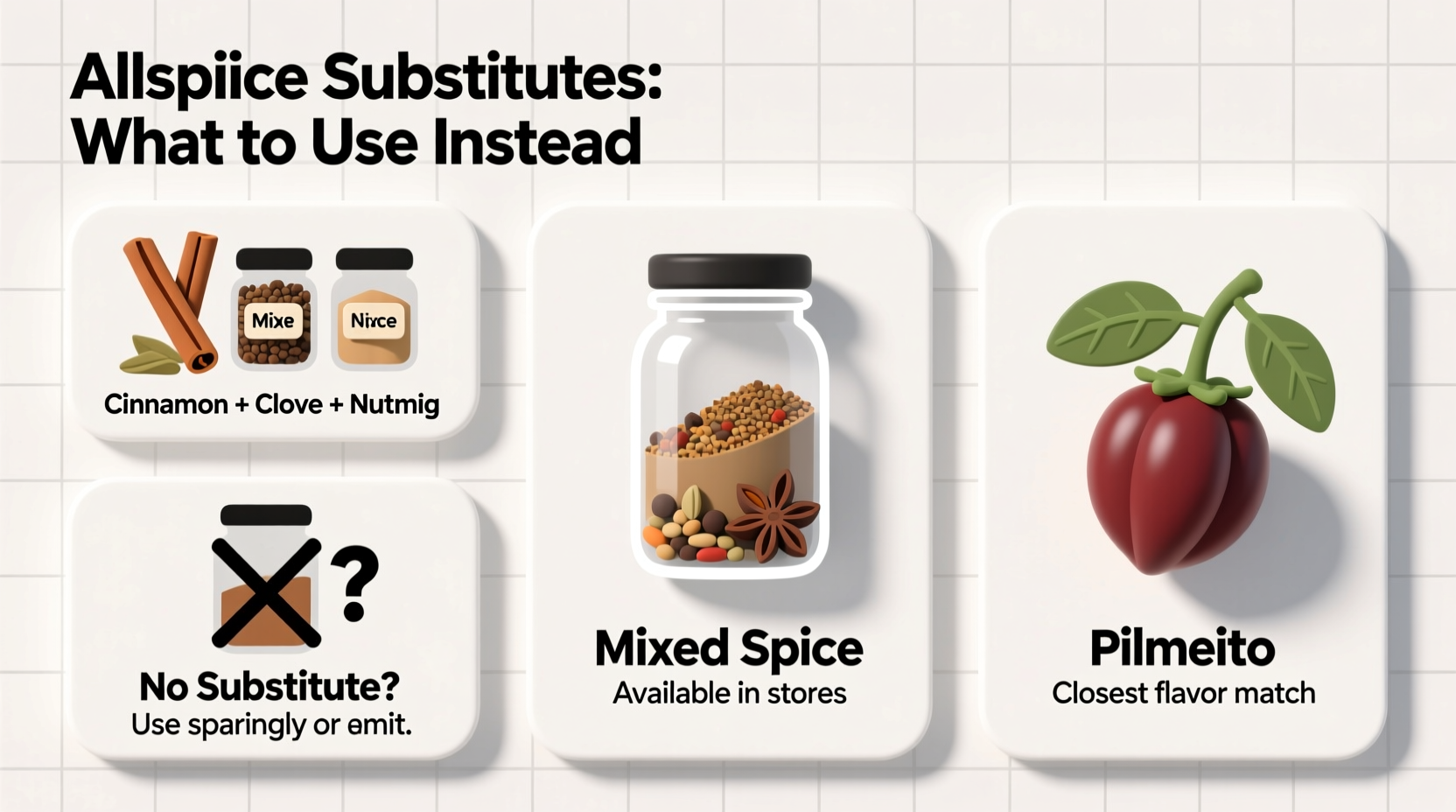
Allspice, botanically known as *Pimenta dioica*, is the dried unripe berry of a tree native to Jamaica and parts of Central America. Its name derives from the perception that its flavor combines elements of cinnamon, nutmeg, and cloves—three distinct spices—leading early European explorers to believe it was a blend rather than a single ingredient. In reality, allspice contains eugenol (also found in cloves), cineole (in bay leaves), and terpenes that contribute to its layered aroma.
Culinary use of allspice spans centuries and continents. It plays a central role in Jamaican jerk seasoning, appears in pickling brines across Eastern Europe, flavors Middle Eastern kibbeh and baharat blends, and enhances baked goods in American and British traditions. Whole allspice berries retain freshness longer and are often used in slow-cooked dishes like soups, stews, and braises, where they infuse flavor gradually before being removed. Ground allspice disperses more quickly and is preferred in spice rubs, marinades, and baking.
Key Characteristics
| Characteristic | Description |
|---|---|
| Flavor Profile | Warm, sweet, slightly peppery; combines notes of clove, cinnamon, nutmeg, and subtle hints of juniper or smoke. |
| Aroma | Pungent, spicy-sweet, with dominant eugenol (clove-like) scent. |
| Form | Available whole (small dark berries) or ground (fine reddish-brown powder). |
| Heat Level | Mild warmth, not pungent or chili-like; registers around 1–2 on a 10-point heat scale. |
| Culinary Function | Balances sweet and savory dishes; adds depth to meats, vegetables, grains, and desserts. |
| Shelf Life | Whole berries: up to 3–4 years if stored properly. Ground: 6 months to 1 year before significant flavor loss. |
Practical Usage
Allspice functions as a bridge spice, harmonizing sweet and savory components. In savory contexts, it enhances roasted meats, lentil dishes, sausages, and tomato-based sauces. One teaspoon of ground allspice in a beef stew introduces complexity without dominating. In vegetarian cooking, it elevates dishes like stuffed peppers or spiced squash soups. For baking, it complements apples, pears, and pumpkin—commonly appearing alongside ginger and cinnamon in autumnal desserts.
When substituting allspice, the goal is to mirror its balanced triad: sweetness (cinnamon), sharpness (cloves), and earthiness (nutmeg). The most effective replacements combine these elements proportionally. Below are tested combinations suitable for different recipe types:
- Cinnamon + Cloves + Nutmeg (Classic Blend): Mix ½ tsp cinnamon, ¼ tsp nutmeg, and ¼ tsp ground cloves per 1 tsp allspice. Best for baking, mulled wine, and desserts.
- Pumpkin Pie Spice (Convenient Shortcut): Use 1:1 ratio. Contains pre-balanced cinnamon, ginger, nutmeg, and cloves. Ideal for quick breads, pies, and oatmeal.
- Five-Spice Powder (Asian-Inspired Alternative): Substitute ¾ tsp five-spice for 1 tsp allspice. Contains star anise, cloves, cinnamon, Sichuan pepper, and fennel. Works in marinades and roasted meats but imparts licorice notes.
- Cloves + Cinnamon (Bold Option): Combine ⅔ tsp cinnamon and ⅓ tsp cloves. Avoid exceeding clove content, as it can become medicinal.
- Nutmeg + Cinnamon (Milder Version): Equal parts nutmeg and cinnamon (½ tsp each). Suitable for delicate dishes like custards or light cakes.
TIP: Always taste as you go when using substitutes. Start with 75% of the recommended amount, then adjust. Overuse of cloves or cinnamon can easily overpower a dish.
Variants & Types
Allspice comes in two primary forms, each suited to specific uses:
Whole Allspice Berries
Dried berries resemble large black peppercorns and are used in slow-cooked preparations. They release flavor gradually and are typically removed before serving. Common in pickling brines (e.g., for cucumbers or onions), rice pilafs, soups, and poaching liquids for poultry or fish. Their extended shelf life makes them ideal for long-term storage.
Ground Allspice
Fine powder form ensures even distribution in dry rubs, batters, and doughs. Essential in spice blends like jerk seasoning, garam masala, and speculaas. More volatile than whole berries due to increased surface area; store in an airtight container away from light and heat.
Pre-Mixed Alternatives (Substitute Blends)
While not true allspice, certain commercial blends function as stand-ins:
- Jerk Seasoning: Often contains allspice as a base but includes thyme, scallion, and chilies. Use only if compatible with the recipe’s flavor direction.
- Baharat (Middle Eastern Blend): Typically includes allspice, black pepper, paprika, and cumin. Can substitute at 1:1 if allspice is a dominant note.
- Chaat Masala: Not a viable substitute—it lacks warmth and features tangy amchur (mango powder).
| Type | Best Used In | Substitution Tip |
|---|---|---|
| Whole Berries | Pickles, stews, braises, rice dishes | Use one whole berry per teaspoon of ground allspice; remove before serving. |
| Ground Allspice | Baking, rubs, marinades, sauces | Replace with blended spices as listed above. |
| Pumpkin Pie Spice | Desserts, breakfast dishes, beverages | 1:1 swap acceptable; no adjustment needed. |
| Five-Spice Powder | Meat glazes, stir-fries, roasted duck | Use sparingly; alters flavor profile with star anise. |
Comparison with Similar Ingredients
Allspice is frequently mistaken for mixed spice or pumpkin pie spice, but key differences exist:
| Ingredient | Composition | Flavor Difference | Can Substitute? |
|---|---|---|---|
| Allspice | Single spice: dried Pimenta dioica berry | Balanced clove-cinnamon-nutmeg with mild heat | N/A (reference point) |
| Pumpkin Pie Spice | Blend: cinnamon, ginger, nutmeg, allspice, cloves | Sweeter, more gingery; already contains allspice | Yes – excellent 1:1 option in baking |
| Apple Pie Spice | Cinnamon, nutmeg, allspice, sometimes cardamom | Lighter, fruit-focused; less clove intensity | Yes – good in fruit desserts |
| Ground Cloves | Only clove buds | Sharper, more medicinal; lacks sweetness | No – too strong alone; dilute in blends |
| Cinnamon | Tree bark extract | Sweeter, woody; missing clove and nutmeg notes | Limited – must be combined with others |
“Allspice is irreplaceable in authentic jerk cooking. But in everyday Western baking, pumpkin pie spice is not just acceptable—it’s often indistinguishable.” — Chef Lila Monroe, Caribbean Culinary Institute
Practical Tips & FAQs
Can I use cinnamon instead of allspice?
Yes, but only in a pinch and with adjustments. Replace 1 tsp allspice with ½ tsp cinnamon plus a pinch each of nutmeg and cloves. Using cinnamon alone will lack depth and miss the clove-driven warmth essential to allspice’s character.
Is five-spice powder a good substitute?
In savory dishes with Asian influences, yes. Five-spice contains star anise, which shares aromatic compounds with allspice, but introduces a pronounced licorice note. Reduce by 25% (use ¾ tsp per 1 tsp allspice) and consider omitting additional aniseed spices in the recipe.
How do I store allspice to preserve flavor?
Keep whole berries in a cool, dark cupboard in an airtight glass jar—away from stove heat and sunlight. Ground allspice degrades faster; label with purchase date and replace after 12 months. For maximum longevity, buy whole and grind as needed using a spice grinder or mortar and pestle.
What dishes rely heavily on allspice?
- Jamaican jerk chicken and pork
- Swedish meatballs (köttbullar)
- Middle Eastern lamb kibbeh
- Spiced apple cake
- Beef and barley stew
- Mulled cider or wine
- Pickled vegetables (especially in Polish and German cuisine)
Can I make my own allspice substitute blend?
Absolutely. Create a reusable pantry mix by combining:
- 2 tbsp ground cinnamon
- 1 tbsp ground nutmeg
- 1 tbsp ground cloves
Store in a labeled jar for up to six months. Use 1 tsp of this blend to replace 1 tsp allspice. Adjust ratios downward if your cloves are particularly potent.
Why does my substitute taste “off”?
Common issues include:
- Overuse of cloves: Creates a medicinal, harsh aftertaste.
- Underuse of cinnamon: Results in flat, overly sharp flavor.
- Old or stale spices: Degrade over time, losing volatile oils. Test by rubbing a pinch between fingers—if aroma is faint, replace.
PRO TIP: Toast whole allspice berries lightly in a dry pan before grinding to intensify flavor. Cool completely before use to prevent clumping.
Summary & Key Takeaways
Allspice’s singular flavor—warm, sweet, and subtly peppery—makes it a cornerstone in diverse global cuisines. While no substitute perfectly replicates its complexity, strategic blending of cinnamon, cloves, and nutmeg delivers a close approximation. Pumpkin pie spice offers the easiest 1:1 swap in baking, while five-spice powder works in savory, umami-rich dishes with careful dosing.
Understanding the functional role of allspice in a recipe—whether as a background enhancer or a dominant note—guides the best substitution choice. Whole berries excel in slow infusions, while ground form integrates seamlessly into dry mixes. Storage practices significantly impact potency, so prioritize freshness and proper containment.
The following principles ensure success:
- Never substitute ground cloves alone—they overpower.
- Always balance clove with cinnamon and nutmeg.
- Use pumpkin pie spice freely in desserts.
- Adjust gradually and taste frequently.
- Grind whole berries fresh when possible.
Final Thought: Great cooking adapts. Knowing how to substitute allspice confidently transforms a potential kitchen setback into an opportunity for creative problem-solving. Keep a small batch of homemade allspice blend ready, and you’ll never face a recipe interruption again.




 浙公网安备
33010002000092号
浙公网安备
33010002000092号 浙B2-20120091-4
Comments
No comments yet. Why don't you start the discussion?