
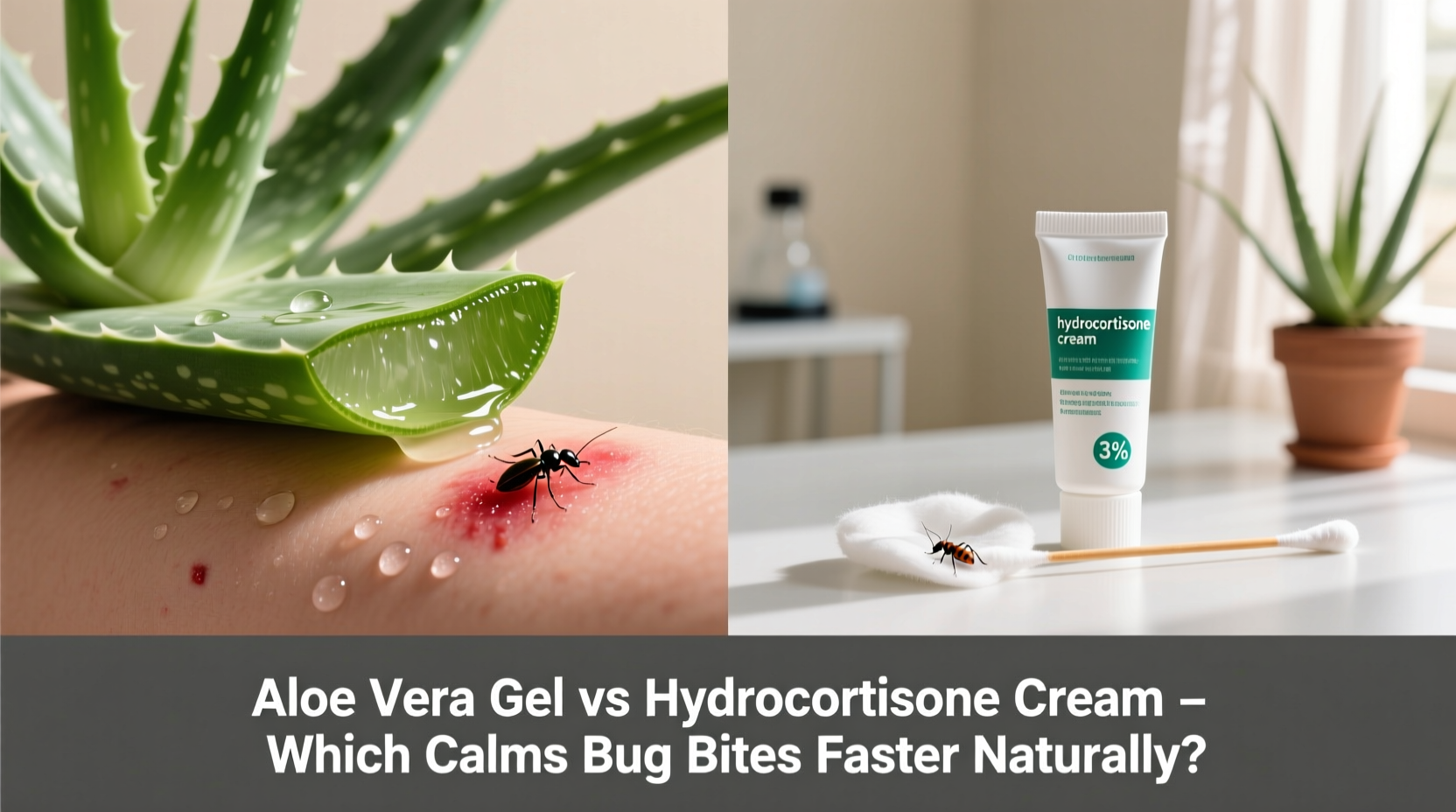
Bug bites are an inevitable part of warm-weather outdoor life. Whether from mosquitoes, ticks, or biting flies, the resulting itch, redness, and swelling can range from mildly annoying to intensely uncomfortable. When relief is needed fast, many reach for over-the-counter hydrocortisone cream. Others prefer natural remedies like aloe vera gel. But when it comes to calming bug bites quickly and safely, how do these two options truly compare?
The choice between aloe vera gel and hydrocortisone cream isn’t just about speed—it’s also about safety, long-term skin health, and whether you’re treating children, sensitive skin, or multiple bites. This article examines both remedies in depth, comparing their mechanisms, effectiveness, side effects, and suitability for different skin types. You’ll walk away knowing exactly when to use each—and how to maximize relief without compromising your skin’s integrity.
How Bug Bites Trigger Inflammation and Itch
When an insect bites, it injects saliva into the skin. The body recognizes this foreign substance as a threat, triggering an immune response. Histamines are released, causing blood vessels to dilate and increasing permeability. This leads to localized redness, swelling, warmth, and—most notably—itching.
The severity of the reaction depends on several factors:
- Individual sensitivity: Some people react more strongly due to heightened histamine responses.
- Bite location: Areas with thinner skin (like eyelids or wrists) may swell more dramatically.
- Number of bites: Multiple bites can lead to cumulative irritation and systemic discomfort.
Effective treatment must address both the inflammatory process and the neurological sensation of itch. That’s where topical agents come in—either by suppressing immune activity (as with hydrocortisone) or by soothing irritated tissue and modulating inflammation naturally (as with aloe vera).
Aloe Vera Gel: Nature’s Soothing Healer
Aloe vera has been used for centuries across cultures for its wound-healing and anti-inflammatory properties. The clear gel inside the aloe leaf contains over 75 active compounds, including vitamins, enzymes, amino acids, and powerful antioxidants such as vitamin C and E.
In the context of bug bites, aloe vera works through multiple pathways:
- Cools on contact: Its high water content provides immediate physical relief from heat and discomfort.
- Reduces inflammation: Compounds like glycoproteins help reduce swelling and pain.
- Antimicrobial action: Aloe contains lupeol and other substances that inhibit bacterial growth, lowering infection risk if the bite is scratched.
- Promotes healing: Stimulates fibroblast activity, accelerating skin repair.
Studies support its efficacy. A 2015 review published in the Journal of Clinical and Aesthetic Dermatology found that aloe vera significantly reduced erythema and irritation in inflammatory skin conditions. While not specifically tested on insect bites, its mechanism aligns well with the symptoms they produce.
Best Use Cases for Aloe Vera
- Mild to moderate bug bites
- Sensitive or reactive skin
- Children over 2 years old
- Preventing secondary infection from scratching
- People avoiding steroids or synthetic chemicals
“Aloe vera is one of the few botanicals with clinically demonstrated anti-inflammatory effects comparable to low-potency corticosteroids—without the risks.” — Dr. Lena Patel, Integrative Dermatologist
Hydrocortisone Cream: Fast-Acting Pharmaceutical Relief
Hydrocortisone is a mild corticosteroid available over the counter in 0.5% and 1% strengths. It works by suppressing the immune system’s local response, reducing the release of inflammatory chemicals like prostaglandins and leukotrienes.
When applied to a bug bite, hydrocortisone typically begins working within 30 minutes to an hour. It effectively reduces:
- Itching intensity
- Redness and swelling
- Histamine-mediated irritation
Because it targets the root cause of inflammation at the cellular level, hydrocortisone often provides faster symptom relief than natural alternatives—especially in individuals with strong allergic reactions.
However, it is not without limitations. Prolonged use (beyond 7–10 days) can lead to skin thinning, discoloration, or increased susceptibility to infection. It should be avoided on broken skin, near eyes, or on large surface areas unless directed by a physician.
Best Use Cases for Hydrocortisone Cream
- Severe itching or swelling
- Multiple bites with intense discomfort
- Short-term relief (up to 1 week)
- Adults and older children with non-sensitive skin
- When rapid suppression of inflammation is needed
Head-to-Head Comparison: Aloe Vera vs Hydrocortisone
| Factor | Aloe Vera Gel | Hydrocortisone Cream |
|---|---|---|
| Onset of Action | Immediate cooling; reduction in itch within 15–30 min | Noticeable relief in 30–60 min; peak effect in 2–4 hours |
| Mechanism | Natural anti-inflammatory, moisturizing, antimicrobial | Suppresses immune response via steroid action |
| Safety Profile | Very high; suitable for most ages and skin types | Low-moderate; risk of side effects with prolonged use |
| Duration of Use | Safe for daily, extended use | Limited to 7–10 days without medical supervision |
| Kid-Friendly? | Yes, even for toddlers (patch test first) | Only for children 2+ and short-term use |
| Natural? | Fully natural (if pure) | Synthetic pharmaceutical |
| Risk of Side Effects | Minimal (rare allergy) | Skin thinning, irritation, telangiectasia with misuse |
| Cost | $5–$12 (or free from homegrown plant) | $6–$15 |
Which Calms Bug Bites Faster?
The answer depends on what kind of \"fast\" you're seeking.
If you define \"faster\" as **immediate sensory relief**, aloe vera wins. Its cool, wet texture provides instant comfort upon application—similar to placing a cold compress on the bite. This makes it ideal for children who cannot tolerate waiting for medication to take effect.
If \"faster\" means **quicker resolution of inflammation and itch duration**, hydrocortisone generally outperforms aloe vera. Clinical studies show corticosteroids reduce the overall lifespan of inflammatory reactions by suppressing the immune cascade more completely.
That said, combining both may offer optimal results: apply aloe vera first for instant cooling, then follow with a thin layer of hydrocortisone if needed—especially at night to prevent sleep-disrupting itch.
Real-World Example: Managing Mosquito Bites During Summer Camp
Consider Sarah, a camp nurse responsible for 40 children aged 6–12 during a week-long outdoor adventure program. Mosquitoes are rampant due to nearby wetlands. On average, each child receives 5–10 bites within the first 48 hours.
Sarah uses a tiered approach:
- Mild bites: Treated with chilled aloe vera gel from a refrigerated dispenser. Kids report feeling better within minutes, and parents appreciate the natural method.
- Moderate to severe reactions: Two children develop large, swollen welts on arms and legs. After cleaning the area, Sarah applies 1% hydrocortisone cream twice daily for three days. Swelling subsides significantly by day two.
- Prevention of scratching: She encourages wearing loose clothing and uses aloe-based lotions after showers to keep skin hydrated and less reactive.
No adverse events occur. By day five, all bites are healing cleanly. Her protocol balances safety, speed, and practicality—proving that both remedies have a place in real-life care.
Step-by-Step Guide to Treating Bug Bites Naturally and Effectively
Follow this evidence-based sequence to get quick, safe relief from any insect bite:
- Wash the area: Use mild soap and cool water to remove residual insect saliva and reduce infection risk.
- Apply a cold compress: Wrap ice in a cloth and hold it on the bite for 10 minutes to reduce swelling and numb itch signals.
- Choose your treatment:
- For immediate comfort: Apply chilled aloe vera gel.
- For persistent itch: Add a pea-sized amount of 1% hydrocortisone cream after aloe dries.
- Reapply as needed: Aloe can be reapplied every 2–3 hours. Hydrocortisone should be limited to 1–2 times per day, max 7 days.
- Monitor for signs of infection: Increased redness, pus, fever, or spreading rash require medical evaluation.
- Prevent future bites: Use DEET-free repellents (like picaridin or oil of lemon eucalyptus) and wear light-colored, long-sleeved clothing outdoors.
Checklist: Choosing the Right Remedy for Your Situation
Use this checklist to decide whether aloe vera or hydrocortisone is best for your bug bite scenario:
- ☐ Is the person under age 2? → Use aloe vera only.
- ☐ Are there signs of significant swelling or allergic reaction? → Hydrocortisone may be appropriate short-term.
- ☐ Is the skin sensitive or prone to rashes? → Start with aloe vera.
- ☐ Has the bite been scratched open? → Avoid hydrocortisone; use aloe + antiseptic.
- ☐ Do you need overnight relief from intense itching? → Combine aloe + hydrocortisone before bed.
- ☐ Are you treating multiple bites over large areas? → Limit hydrocortisone; opt for aloe or oral antihistamines.
- ☐ Do you prefer natural solutions? → Aloe vera is the clear choice.
Frequently Asked Questions
Can I use aloe vera and hydrocortisone together?
Yes, and doing so can be highly effective. Apply aloe vera first to soothe and hydrate, let it absorb for 5–10 minutes, then apply a thin layer of hydrocortisone. This combo leverages immediate comfort and deeper anti-inflammatory action.
Is hydrocortisone safe for kids?
Yes, but with caution. The FDA approves 1% hydrocortisone for children aged 2 and older, limited to small areas and no more than 7 days of use. Always consult a pediatrician before using on young children or facial areas.
Can aloe vera cause allergic reactions?
Rarely, but possible. Some people are allergic to anthraquinones in aloe. Perform a patch test on a small area of skin before full application. Discontinue if redness, burning, or rash develops.
Conclusion: Choose Smart, Soothe Safely
When it comes to calming bug bites, both aloe vera gel and hydrocortisone cream have distinct advantages. Aloe offers gentle, immediate, and sustainable relief—ideal for everyday use and sensitive skin. Hydrocortisone delivers stronger, targeted suppression of inflammation, making it valuable for acute flare-ups—but best reserved for short-term needs.
The smartest approach isn’t choosing one over the other, but understanding when each shines. Keep a tube of hydrocortisone for emergencies and a bottle of pure aloe vera for daily care. With this dual strategy, you can respond swiftly and safely to bug bites—naturally and effectively.




 浙公网安备
33010002000092号
浙公网安备
33010002000092号 浙B2-20120091-4
Comments
No comments yet. Why don't you start the discussion?