
Feeling hungry all the time can be frustrating, especially when you’ve eaten recently or are trying to manage your weight. Constant hunger isn’t always about willpower—it’s often a signal from your body that something is off. Whether it's hormonal imbalances, poor food choices, or lifestyle habits, understanding the root causes is essential. This article explores five key reasons why you might feel perpetually hungry and provides actionable strategies to restore balance.
1. Insufficient Protein Intake
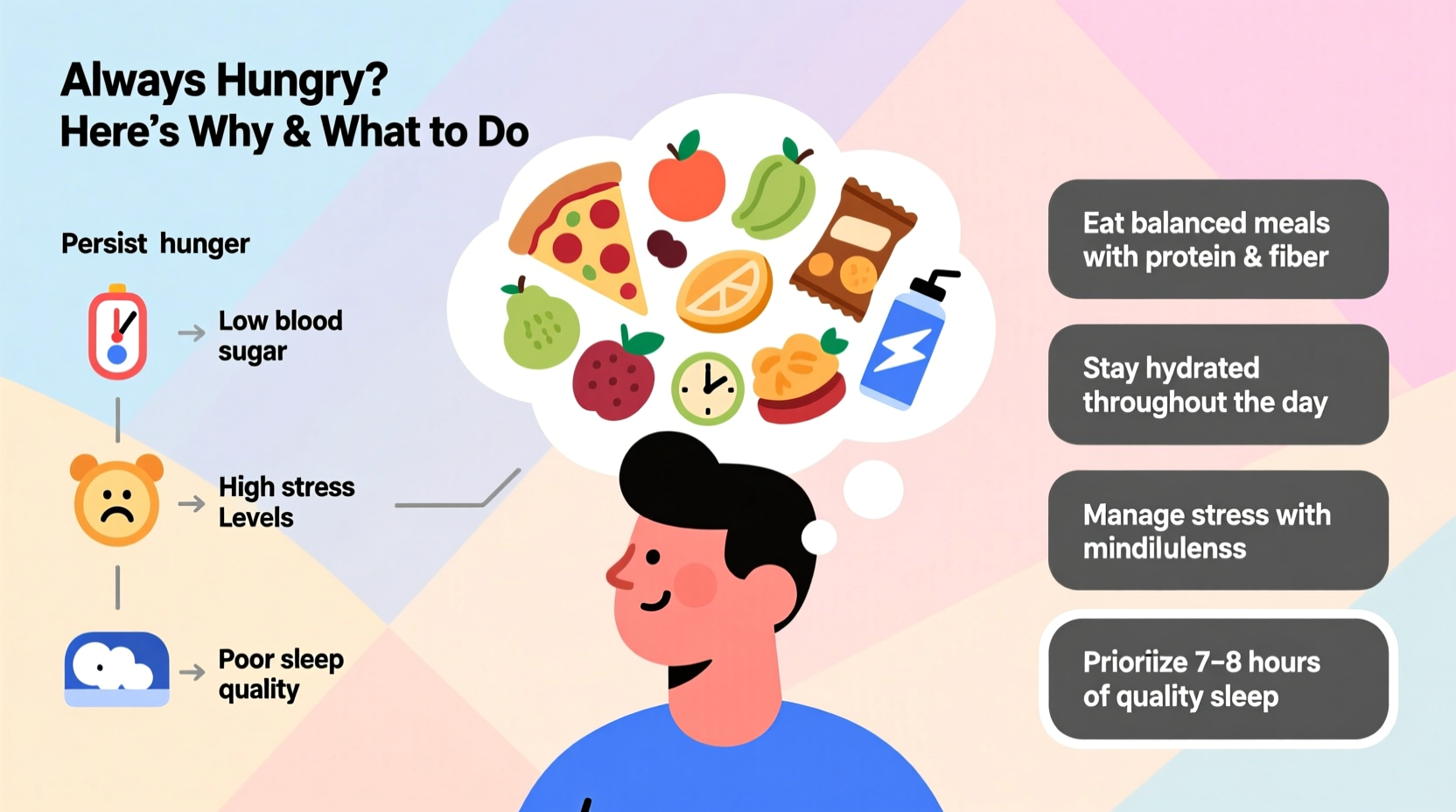
Protein is one of the most satiating macronutrients. It slows digestion, stabilizes blood sugar, and triggers hormones like GLP-1 and peptide YY that promote fullness. When your meals lack adequate protein, you’re more likely to experience cravings and hunger soon after eating.
A study published in the American Journal of Clinical Nutrition found that increasing protein intake from 15% to 30% of total calories led participants to consume 441 fewer calories per day without conscious restriction.
2. Lack of Sleep Disrupts Hunger Hormones
Sleep plays a critical role in regulating ghrelin and leptin—the primary hormones controlling hunger and satiety. Ghrelin stimulates appetite, while leptin signals fullness. Poor sleep increases ghrelin and decreases leptin, creating a hormonal environment that promotes overeating.
Research from the University of Chicago shows that people who sleep only four hours a night have 28% higher ghrelin levels and 18% lower leptin levels compared to those who sleep eight hours.
“Chronic sleep deprivation creates a biological drive to eat more, particularly high-calorie, carbohydrate-rich foods.” — Dr. Eve Van Cauter, Sleep and Metabolism Researcher, University of Chicago
How Sleep Affects Appetite: Key Findings
| Hormone | Effect of Poor Sleep | Impact on Hunger |
|---|---|---|
| Ghrelin | Increases by up to 28% | Triggers stronger appetite |
| Leptin | Decreases by up to 18% | Reduces feeling of fullness |
| Cortisol | Elevated at night | Promotes late-night snacking |
3. Eating Highly Processed Foods
Foods high in refined sugars, unhealthy fats, and artificial ingredients are digested quickly and cause rapid spikes and crashes in blood glucose. These fluctuations trigger hunger signals even when your body doesn’t need energy.
Ultra-processed foods also tend to be low in fiber, which slows digestion and supports gut health. Without fiber, meals pass through the digestive tract too fast, leaving you feeling unsatisfied.
A 2019 NIH study found that people consumed 500+ extra calories per day when fed ultra-processed diets compared to whole-food diets—even when meals were matched for calories, sugar, fat, and fiber.
4. Chronic Stress Elevates Cortisol
Stress activates the hypothalamic-pituitary-adrenal (HPA) axis, releasing cortisol—the “stress hormone.” Elevated cortisol increases appetite, particularly for comfort foods high in sugar and fat. This evolutionary mechanism helped our ancestors survive famine during times of stress, but today it contributes to overeating and weight gain.
Chronic stress can also disrupt insulin sensitivity and lead to abdominal fat storage, creating a cycle where hunger and fatigue feed each other.
Mini Case Study: Sarah’s Afternoon Cravings
Sarah, a 34-year-old project manager, found herself raiding the office snack drawer daily around 3 PM. Despite eating lunch, she felt ravenous. After tracking her habits, she realized her workload had spiked, and she was averaging only 5.5 hours of sleep. Her doctor suggested stress management techniques and a protein-rich afternoon snack. Within two weeks, her cravings dropped significantly.
5. Underlying Medical Conditions
Persistent hunger can sometimes point to medical issues such as:
- Diabetes (Type 1 or 2): High blood sugar prevents cells from absorbing glucose properly, leading to energy starvation and increased hunger.
- Hypoglycemia: Low blood sugar triggers intense hunger as the body seeks quick energy.
- Hyperthyroidism: An overactive thyroid speeds up metabolism, increasing caloric needs and appetite.
- Leptin resistance: Similar to insulin resistance, this condition makes the brain ignore fullness signals.
- PCOS (Polycystic Ovary Syndrome): Often linked with insulin resistance and hormonal imbalances that affect appetite.
If you're eating enough, sleeping well, and still feel constantly hungry, consult a healthcare provider to rule out these conditions.
Step-by-Step Guide to Reduce Constant Hunger
- Track your meals and hunger levels for three days to identify patterns (e.g., hunger after certain foods).
- Add 20–30g of protein to each main meal (e.g., add eggs to breakfast, chicken to salads).
- Replace one processed snack with a whole-food option (apple with almond butter, cottage cheese with berries).
- Improve sleep hygiene: Set a consistent bedtime, avoid screens 1 hour before bed, keep the room cool and dark.
- Practice mindful eating: Chew slowly, eliminate distractions, and pause halfway through meals to assess fullness.
- Manage stress: Try 10 minutes of deep breathing, walking, or journaling daily.
- Consult a doctor if hunger persists despite lifestyle changes.
Checklist: Are You Doing These Hunger-Busting Habits?
- ✅ Eat protein with every meal
- ✅ Consume fiber-rich vegetables and whole grains
- ✅ Drink water before meals (sometimes thirst mimics hunger)
- ✅ Get 7–9 hours of quality sleep nightly
- ✅ Limit sugary drinks and snacks
- ✅ Manage stress through exercise or mindfulness
- ✅ Avoid skipping meals, which leads to overeating later
Frequently Asked Questions
Why do I feel hungry right after eating?
This can happen due to low-protein or low-fiber meals, high sugar content, or eating too quickly. It may also indicate insulin spikes or an imbalance in gut hormones. Consider adjusting meal composition and eating pace.
Can drinking water help reduce hunger?
Yes. Dehydration can be mistaken for hunger. Drinking a glass of water before meals can help you feel fuller and reduce overall calorie intake. One study showed that drinking 500ml of water before meals led to 44% greater weight loss over 12 weeks.
Is it normal to feel hungry all the time on a diet?
No. While mild hunger is expected when reducing calories, constant hunger suggests your diet lacks satiating nutrients or is too restrictive. Focus on nutrient-dense, high-volume foods like soups, salads, lean proteins, and legumes to stay satisfied.
Conclusion: Take Control of Your Appetite
Constant hunger is not something you have to accept. More often than not, it’s a sign that your body is asking for better fuel, rest, or balance. By addressing protein intake, improving sleep, choosing whole foods, managing stress, and checking for underlying conditions, you can reset your appetite signals naturally.
Start small: pick one change from the checklist above and build from there. Over time, these adjustments can transform how you relate to food—from constant craving to balanced satisfaction.




 浙公网安备
33010002000092号
浙公网安备
33010002000092号 浙B2-20120091-4
Comments
No comments yet. Why don't you start the discussion?