
Excessive daytime sleepiness (EDS) is more than just feeling tired after a late night. It’s a persistent urge to fall asleep during waking hours, even in inappropriate situations—like during meetings, while driving, or mid-conversation. While occasional fatigue is normal, chronic daytime drowsiness can signal underlying health issues and significantly impair quality of life. This article explores the science behind EDS, identifies common causes, and offers practical strategies to restore alertness and long-term well-being.
What Is Excessive Daytime Sleepiness?
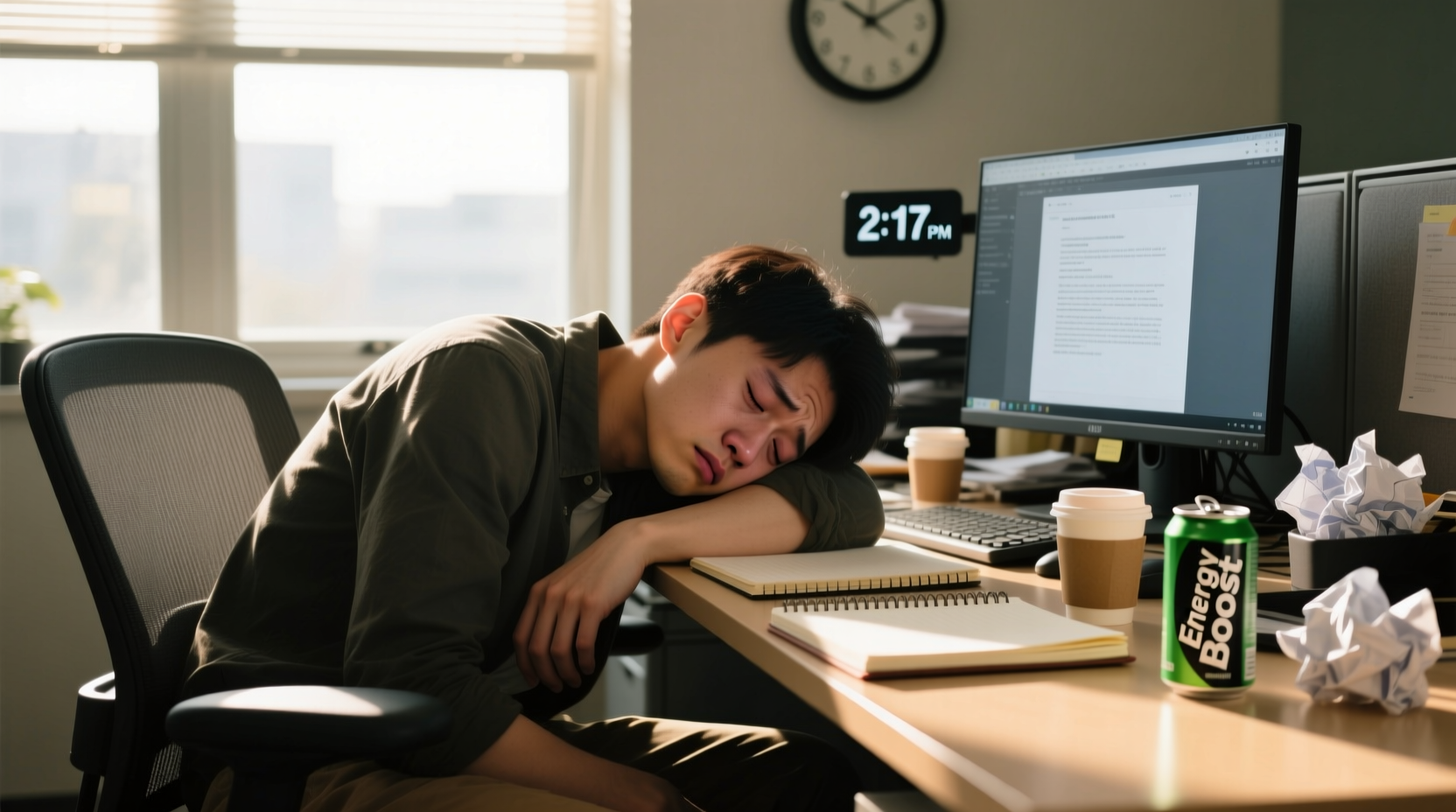
Excessive daytime sleepiness is defined as an inability to maintain wakefulness and alertness during the day, leading to unintended lapses into drowsiness or sleep. Unlike general fatigue—which involves low energy but not necessarily a desire to sleep—EDS is characterized by an overwhelming need to nap, even after what seems like adequate nighttime rest.
It affects approximately 10–20% of the population and is often underreported. Many people dismiss it as stress or poor time management, but it can be a symptom of serious medical conditions such as sleep apnea, narcolepsy, or neurological disorders.
“Persistent daytime sleepiness isn’t laziness—it’s often the body’s way of signaling that something is wrong with sleep quality or regulation.” — Dr. Linda Chen, Sleep Medicine Specialist, Johns Hopkins Center for Sleep Disorders
Common Causes of Daytime Drowsiness
Daytime sleepiness rarely stems from a single cause. It’s typically the result of interconnected lifestyle, behavioral, and medical factors. Understanding these contributors is the first step toward effective intervention.
- Sleep Apnea: A disorder where breathing repeatedly stops and starts during sleep, fragmenting rest and reducing oxygen levels. Loud snoring and gasping at night are red flags.
- Insufficient Sleep: Chronic sleep deprivation due to work, social obligations, or screen use. Adults need 7–9 hours nightly; consistently getting less disrupts cognitive function.
- Narcolepsy: A neurological condition affecting the brain’s ability to regulate sleep-wake cycles, often causing sudden sleep attacks.
- Restless Legs Syndrome (RLS): Uncomfortable sensations in the legs that worsen at night, delaying sleep onset.
- Poor Sleep Hygiene: Irregular sleep schedules, caffeine consumption late in the day, and bedroom environments that aren’t conducive to rest.
- Mental Health Conditions: Depression and anxiety are strongly linked to disrupted sleep architecture and hypersomnia.
- Diet and Medications: Heavy meals before bed, alcohol, and certain medications (e.g., antihistamines, antidepressants) can increase drowsiness.
Do’s and Don’ts: Managing Daytime Sleepiness
| Do’s | Don’ts |
|---|---|
| Stick to a consistent sleep schedule—even on weekends | Use electronic devices in bed (blue light suppresses melatonin) |
| Create a relaxing pre-sleep routine (reading, meditation) | Consume caffeine after 2 PM |
| Seek evaluation if snoring or witnessed breathing pauses occur | Ignore persistent fatigue—treat it as a warning sign |
| Take short, early afternoon naps (10–20 minutes) | Drive when feeling drowsy—microsleeps are dangerous |
| Exercise regularly, but avoid intense workouts close to bedtime | Rely on energy drinks or sugary snacks to stay awake |
Step-by-Step Guide to Improving Daytime Alertness
Reversing excessive sleepiness requires a structured approach. Follow this six-step plan to identify and address root causes:
- Assess Your Sleep Duration and Quality: Track your sleep for one week using a journal or wearable device. Look for patterns in duration, interruptions, and morning alertness.
- Optimize Your Sleep Environment: Make your bedroom dark, quiet, and cool (around 65°F). Remove electronics and consider blackout curtains or white noise machines.
- Establish a Wind-Down Routine: Begin 30–60 minutes before bed with calming activities: warm bath, light reading, deep breathing exercises.
- Limit Stimulants and Depressants: Avoid caffeine after noon, limit alcohol, and never use it to induce sleep—it fragments REM cycles.
- Evaluate for Sleep Disorders: If symptoms persist, consult a sleep specialist. Polysomnography (sleep study) can diagnose apnea, narcolepsy, or periodic limb movement disorder.
- Treat Underlying Conditions: Address mental health concerns, adjust medications with your doctor, and manage chronic illnesses like diabetes or hypothyroidism that affect energy.
Real-Life Example: Recovering from Undiagnosed Sleep Apnea
James, a 42-year-old software engineer, struggled with constant fatigue despite sleeping 8 hours a night. He relied on three cups of coffee to get through the morning and often dozed off during team calls. His partner complained about his loud snoring and episodes where he seemed to stop breathing.
After a sleep study, James was diagnosed with moderate obstructive sleep apnea. He began using a CPAP (Continuous Positive Airway Pressure) machine nightly. Within two weeks, his daytime alertness improved dramatically. He stopped needing afternoon naps, concentration sharpened, and his mood stabilized. “I didn’t realize how much brain fog I was living with,” he said. “It wasn’t burnout—it was my airway collapsing every night.”
When to Seek Medical Help
Not all daytime sleepiness resolves with lifestyle changes. Seek professional evaluation if you experience:
- Falling asleep during passive activities (watching TV, reading)
- Sudden muscle weakness triggered by emotions (a sign of cataplexy, linked to narcolepsy)
- Loud snoring, gasping, or choking at night
- Difficulty staying awake while driving
- Persistent low energy despite 7+ hours of sleep
A board-certified sleep physician can conduct diagnostic tests and recommend treatments ranging from CPAP therapy to medication for narcolepsy.
FAQ
Is excessive daytime sleepiness the same as insomnia?
No. Insomnia refers to difficulty falling or staying asleep. In contrast, EDS involves difficulty staying awake during the day, even if nighttime sleep appears sufficient. However, some people experience both—poor sleep quality at night leads to daytime fatigue.
Can diet affect daytime sleepiness?
Yes. Diets high in refined carbohydrates and sugar cause blood sugar spikes and crashes, leading to energy dips. Prioritize balanced meals with protein, fiber, and healthy fats to maintain steady energy. Staying hydrated also helps—dehydration mimics fatigue.
Are power naps helpful or harmful?
Short naps (10–20 minutes) taken before 3 PM can boost alertness without disrupting nighttime sleep. However, long or late naps may interfere with sleep onset and reduce sleep efficiency.
Action Plan Checklist
To combat excessive daytime sleepiness, follow this actionable checklist:
- ✅ Go to bed and wake up at the same time every day
- ✅ Eliminate screens from the bedroom
- ✅ Avoid caffeine after 2 PM
- ✅ Exercise for at least 30 minutes most days
- ✅ Keep a sleep diary for 14 days
- ✅ Talk to your doctor if snoring or breathing pauses occur
- ✅ Limit alcohol, especially before bedtime
- ✅ Create a calming pre-sleep routine
- ✅ Consider a sleep study if fatigue persists
- ✅ Use light exposure strategically—get sunlight in the morning to regulate circadian rhythm
Conclusion
Excessive daytime sleepiness is not a normal part of modern life—it’s a signal that your sleep system needs attention. Whether caused by poor habits, undiagnosed disorders, or underlying health issues, it’s both identifiable and treatable. By applying consistent routines, seeking timely medical advice, and making sustainable lifestyle adjustments, you can reclaim your energy, focus, and overall vitality.




 浙公网安备
33010002000092号
浙公网安备
33010002000092号 浙B2-20120091-4
Comments
No comments yet. Why don't you start the discussion?