
Feeling drowsy during work hours, struggling to stay awake during meetings, or nodding off after lunch is more than just inconvenient—it can be a sign of a deeper issue. Excessive daytime sleepiness (EDS) affects millions worldwide, impairing concentration, mood, and overall quality of life. While occasional fatigue is normal, persistent sleepiness during the day is not something to ignore. This article explores the root causes, health implications, and science-backed solutions to help you reclaim alertness and vitality.
What Is Excessive Daytime Sleepiness?
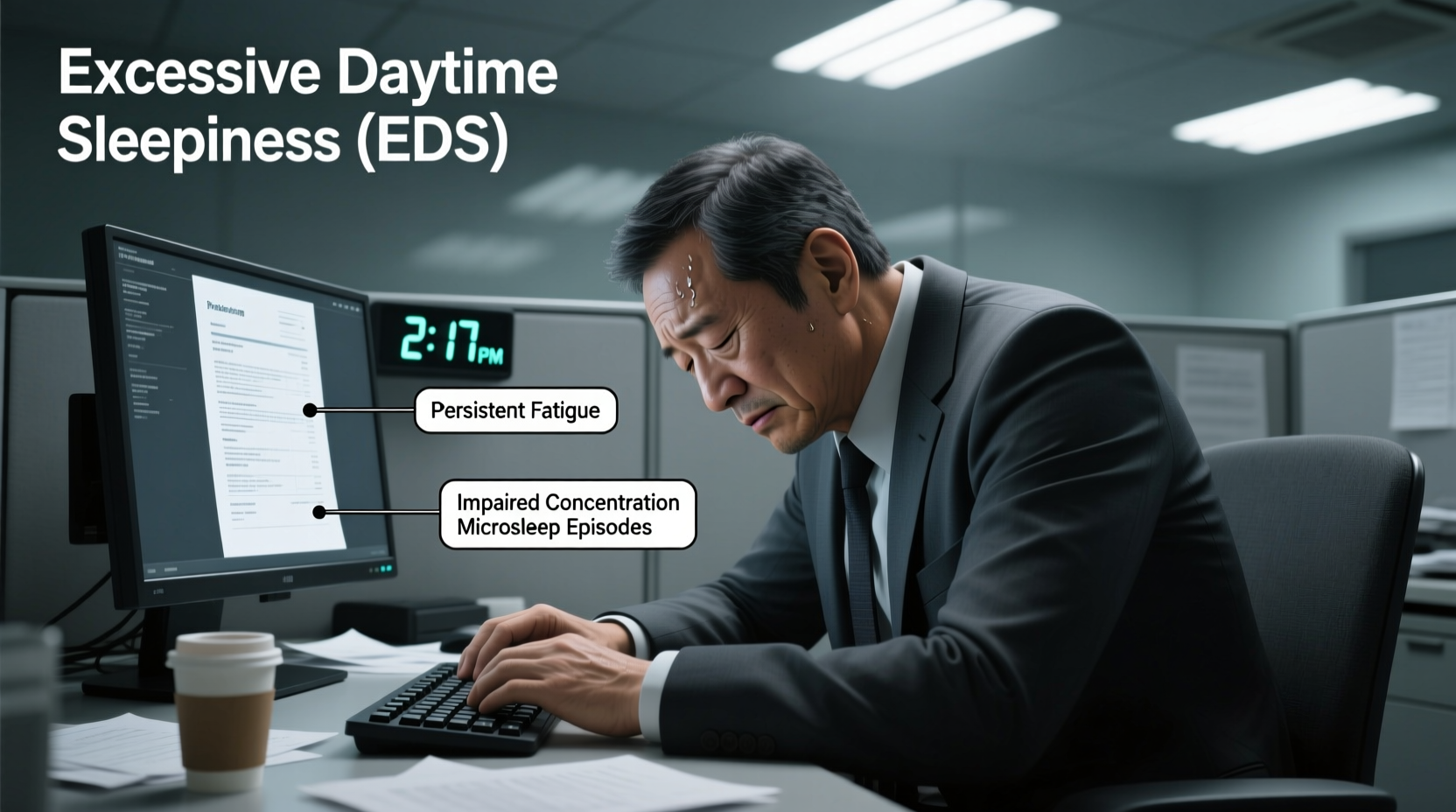
Excessive daytime sleepiness is defined as an overwhelming urge to fall asleep during waking hours, even in inappropriate settings like while driving, eating, or speaking. Unlike general tiredness, EDS involves a physiological need for sleep that interferes with daily functioning. It's not simply about not getting enough rest—it can occur despite what appears to be adequate nighttime sleep.
The condition is often measured using tools like the Epworth Sleepiness Scale, which assesses how likely a person is to doze off in various situations. A score above 10 typically indicates abnormal sleepiness requiring medical evaluation.
Common Symptoms of EDS
- Difficulty staying awake during quiet activities
- Frequent yawning or heavy eyelids
- Reduced attention span and mental fog
- Irritability or mood swings linked to fatigue
- Microsleeps—brief, involuntary episodes of sleep lasting a few seconds
Primary Causes of Daytime Sleepiness
Daytime drowsiness rarely has a single cause. Instead, it’s usually the result of interconnected lifestyle, medical, and environmental factors.
1. Sleep Disorders
Sleep apnea, narcolepsy, and restless legs syndrome are among the most common culprits. Obstructive sleep apnea (OSA), for example, causes repeated breathing interruptions at night, fragmenting sleep and reducing oxygen flow. People with OSA often report sleeping 7–8 hours but still feel exhausted due to poor sleep architecture.
2. Inadequate Sleep Hygiene
Irregular bedtimes, screen exposure before sleep, and consuming stimulants late in the day disrupt circadian rhythms. Even if total sleep time seems sufficient, fragmented or low-quality sleep fails to restore cognitive function.
3. Medical Conditions
Chronic pain, depression, hypothyroidism, diabetes, and neurological disorders can all contribute to EDS. Medications such as antihistamines, antidepressants, and muscle relaxants may also induce drowsiness as a side effect.
4. Lifestyle Factors
Diet plays a significant role. High-sugar meals lead to rapid insulin spikes followed by crashes that trigger fatigue. Sedentary behavior reduces blood flow and metabolic efficiency, further promoting lethargy.
“Persistent daytime sleepiness isn’t laziness—it’s often the body signaling an underlying problem.” — Dr. Lena Torres, Board-Certified Sleep Specialist
Do’s and Don’ts: Managing Daytime Fatigue
| Do’s | Don’ts |
|---|---|
| Maintain a consistent sleep schedule, even on weekends | Use electronic devices in bed |
| Get morning sunlight exposure to regulate circadian rhythm | Consume large meals or alcohol close to bedtime |
| Take short, scheduled naps (10–20 minutes) | Nap after 3 PM or for longer than 30 minutes |
| Exercise regularly, preferably earlier in the day | Work out within two hours of bedtime |
| Seek evaluation for snoring or witnessed breathing pauses at night | Ignore chronic fatigue thinking it’s “just stress” |
A Real-Life Example: Maria’s Journey to Better Alertness
Maria, a 42-year-old teacher, had been feeling exhausted for over a year. She slept seven hours nightly but woke unrefreshed, struggled to stay awake during afternoon classes, and relied on three cups of coffee to finish her day. Her primary care doctor initially attributed it to stress. But when she began dozing off during parent-teacher conferences, she sought a sleep specialist.
After a sleep study, Maria was diagnosed with moderate obstructive sleep apnea. She started using a CPAP machine nightly. Within two weeks, her energy improved dramatically. “I didn’t realize how much brain fog I was living with,” she said. “Now I’m present with my students and have energy for my kids again.”
Maria’s case illustrates how EDS can masquerade as routine exhaustion when, in fact, it stems from a treatable medical condition.
Step-by-Step Guide to Reducing Daytime Sleepiness
- Track Your Sleep Patterns: Keep a sleep diary for two weeks, noting bedtime, wake time, awakenings, and daytime alertness levels.
- Evaluate Your Environment: Ensure your bedroom is dark, cool (60–67°F), and free of screens and noise disturbances.
- Limit Stimulants: Avoid caffeine after 2 PM and reduce alcohol intake, especially before bed.
- Establish a Wind-Down Routine: Spend 30 minutes before bed doing calming activities like reading or light stretching.
- Consult a Specialist: If symptoms persist, see a sleep medicine provider. They may recommend a polysomnography (sleep study) to detect disorders like sleep apnea or narcolepsy.
Frequently Asked Questions
Is it normal to feel sleepy after lunch?
A mild dip in alertness in the early afternoon is natural due to circadian rhythms. However, falling asleep during meals or needing long naps daily is not normal and may indicate poor nighttime sleep or an underlying disorder.
Can dehydration cause daytime sleepiness?
Yes. Even mild dehydration can impair cognitive performance and increase fatigue. Aim for at least 8 cups of water daily, more if physically active.
How is narcolepsy different from regular sleepiness?
Narcolepsy involves sudden, uncontrollable sleep attacks, often accompanied by cataplexy (sudden muscle weakness triggered by emotions). Unlike typical EDS, narcolepsy patients may enter REM sleep within minutes of falling asleep, which is abnormal.
Action Plan Checklist
- ✅ Record sleep and wake times for 14 days
- ✅ Remove electronics from the bedroom
- ✅ Limit caffeine to mornings only
- ✅ Get 15–30 minutes of morning sunlight
- ✅ Schedule a doctor’s visit if snoring, gasping at night, or persistent fatigue continue
- ✅ Consider a sleep study if recommended by a healthcare provider
Conclusion: Take Control of Your Energy
Chronic daytime sleepiness is not a personal failing or inevitable part of modern life. It’s a symptom that deserves attention. Whether the cause is poor sleep habits, an undiagnosed disorder, or lifestyle imbalances, effective solutions exist. By listening to your body, making targeted changes, and seeking professional guidance when needed, you can restore your alertness, focus, and overall well-being.




 浙公网安备
33010002000092号
浙公网安备
33010002000092号 浙B2-20120091-4
Comments
No comments yet. Why don't you start the discussion?