
Heating and cooling account for nearly half of the average home’s energy use. With utility prices rising, homeowners are reevaluating every aspect of their HVAC systems — starting with the thermostat. While analog thermostats have served reliably for decades, smart thermostats now promise intelligent automation, remote access, and energy savings. But does a digital upgrade actually translate into lower energy bills? The answer depends on usage patterns, climate, and homeowner behavior.
This article compares analog and smart thermostats in real-world conditions, analyzes their energy-saving potential, and provides actionable insights to help you decide which option delivers the best return on investment.
How Analog Thermostats Work
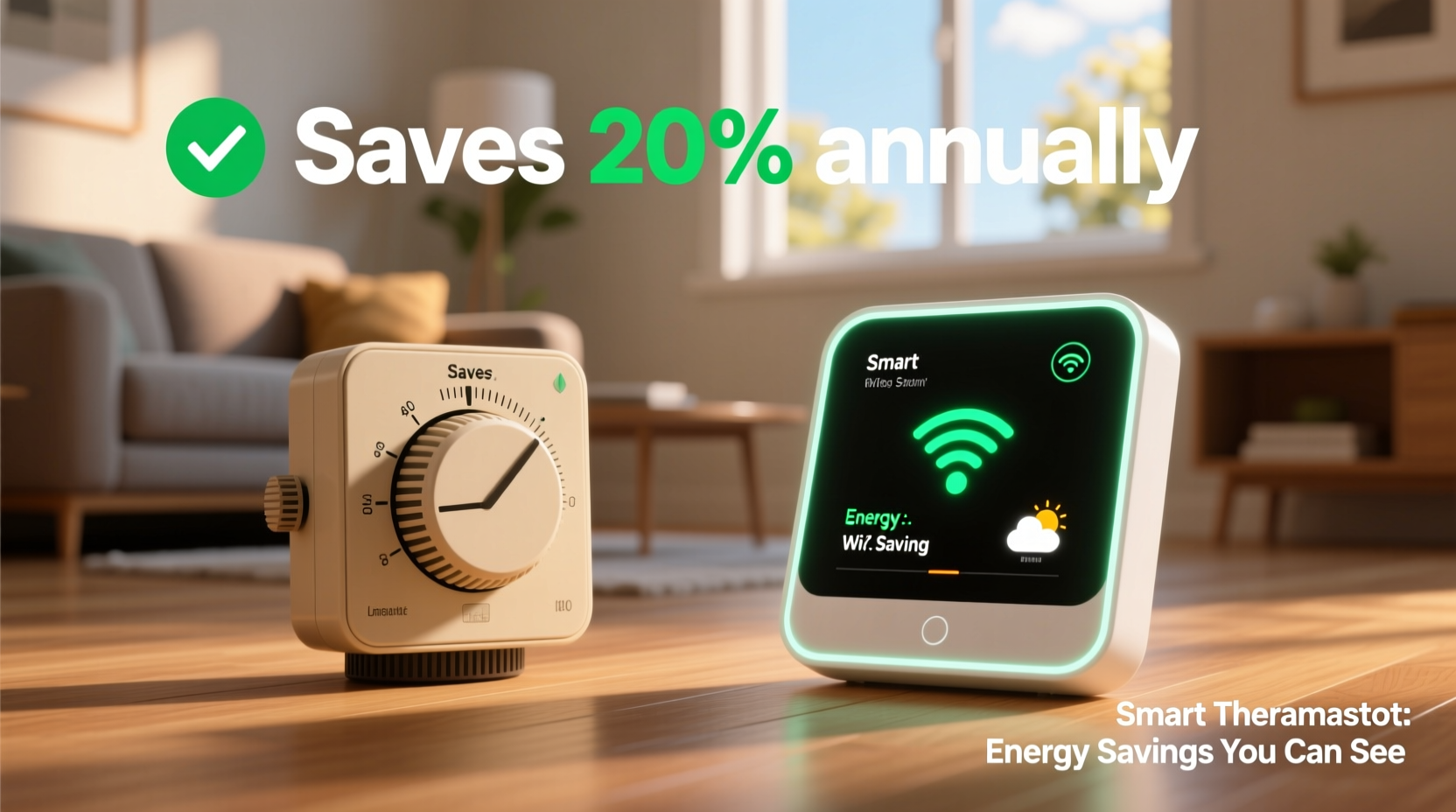
Analog thermostats, also known as mechanical or mercury-based models, rely on simple bimetallic strips or gas-filled tubes that expand or contract with temperature changes. When the room temperature deviates from the set point, the internal mechanism triggers the HVAC system to turn on or off.
These devices are straightforward, durable, and require no Wi-Fi or power beyond basic electrical connections. Most analog units feature a dial or slider to manually adjust the temperature. Because they lack programming capabilities, users must physically change settings when leaving or returning home.
While reliable, analog thermostats offer limited control. They maintain a constant temperature unless adjusted, which often leads to energy waste — especially when homes are unoccupied or during sleeping hours.
Smart Thermostats: Intelligence Meets Efficiency
Smart thermostats integrate sensors, learning algorithms, Wi-Fi connectivity, and mobile apps to optimize HVAC performance. Brands like Nest, Ecobee, and Honeywell Home use occupancy detection, weather forecasts, and user behavior to automatically adjust temperatures.
Unlike analog models, smart thermostats learn your schedule within a week or two. They turn down the heat when you’re away and pre-cool the house before you return. Many include geofencing, which uses your smartphone’s location to determine whether you’re home.
Additional features include:
- Remote access via smartphone or voice assistants
- Energy usage reports and efficiency tips
- Integration with smart home ecosystems (e.g., Alexa, Google Home)
- Alerts for system maintenance or extreme indoor conditions
According to the U.S. Department of Energy, properly using a programmable or smart thermostat can reduce HVAC energy consumption by 10% to 23% annually — primarily by avoiding unnecessary heating or cooling.
“Smart thermostats don’t just react to temperature; they anticipate needs. That predictive ability is where real savings begin.” — Dr. Linda Chen, Energy Efficiency Researcher at NREL
Energy Savings Comparison: Data and Real-World Performance
To understand which thermostat saves more, it’s essential to compare not just technology, but actual energy outcomes. Independent studies and consumer reports reveal significant differences in performance based on user behavior.
A 2022 study by the American Council for an Energy-Efficient Economy (ACEEE) analyzed over 1,200 households using either analog or smart thermostats. The findings were clear: homes with smart thermostats saved an average of 12% on heating and 15% on cooling costs compared to those with manual controls.
The key factor wasn’t the device itself, but consistency. Analog users who diligently adjusted temperatures saved nearly as much as smart thermostat owners — but only 18% of participants did so regularly. In contrast, smart thermostats delivered savings automatically, regardless of user diligence.
Cost-Saving Breakdown by Season
| Thermostat Type | Winter Heating Savings | Summer Cooling Savings | Avg. Annual Savings |
|---|---|---|---|
| Analog (Manual Adjustments) | 5–8% | 5–7% | $80–$120 |
| Analog (No Adjustments) | 0% | 0% | $0 |
| Smart Thermostat (Standard Use) | 10–14% | 12–18% | $130–$180 |
| Smart Thermostat (Optimized Settings) | 15–23% | 18–25% | $200–$260 |
Savings vary by region. In colder climates like Minnesota or Maine, heating dominates energy use, making setbacks more impactful. In hotter areas like Arizona or Florida, cooling optimization drives greater savings. Smart thermostats adapt to both scenarios seamlessly.
Mini Case Study: The Miller Family's Thermostat Upgrade
The Millers, a family of four in Indianapolis, used a 20-year-old analog thermostat for years. They kept their home at 72°F year-round, adjusting only during vacations. Their average monthly HVAC bill was $180 in winter and $140 in summer.
In January, they installed a Nest Learning Thermostat. Within two weeks, the device learned their routine: everyone left for work and school by 8 a.m. and returned around 6 p.m. It began lowering the heat to 62°F during the day and warming the house an hour before arrival.
They also enabled the \"Weather Boost\" feature, which adjusted cooling based on humidity and outdoor temps. After six months, their HVAC costs dropped by 19%. Winter bills averaged $145, and summer cooling fell to $110 — a total annual saving of $420.
\"We didn’t change our habits,\" said Sarah Miller. \"The thermostat did the thinking for us. It paid for itself in less than a year.\"
Step-by-Step Guide to Maximizing Energy Savings
Whether you keep your analog thermostat or switch to a smart model, follow this timeline to reduce energy waste:
- Week 1: Assess Your Current Usage
Track your thermostat settings and HVAC runtime. Note when the system runs unnecessarily (e.g., during work hours). - Week 2: Implement Manual Setbacks (Analog Users)
Lower the temperature by 7–10°F at night and when no one is home. Use a simple schedule: 68°F during waking hours, 60–62°F at night or when away. - Week 3: Consider a Smart Thermostat Upgrade
Evaluate models based on your HVAC compatibility, desired features, and budget. Look for ENERGY STAR certification and rebates from local utilities. - Week 4: Install and Configure
Follow manufacturer instructions. Connect to Wi-Fi, download the app, and enable auto-scheduling and geofencing. - Ongoing: Monitor and Optimize
Review monthly energy reports. Adjust comfort preferences if needed. Replace batteries or check wiring annually.
Checklist: Choosing the Right Thermostat for Your Home
- ✅ Does your HVAC system support programmable controls?
- ✅ Do you frequently forget to adjust the temperature?
- ✅ Are you comfortable using smartphone apps or voice commands?
- ✅ Do you leave the house for long periods during the day?
- ✅ Is your current thermostat over 10 years old?
- ✅ Are you eligible for utility rebates on smart thermostats?
- ✅ Do you want remote access while traveling?
If you answered “yes” to three or more, a smart thermostat is likely worth the investment.
Common Myths About Smart Thermostats
Despite proven benefits, misconceptions persist:
- Myth: Smart thermostats are too complicated.
Reality: Most install in under 30 minutes and guide users through setup with intuitive apps. - Myth: They don’t work with older furnaces.
Reality: Modern models support most 24V systems, including heat pumps and boilers. Check compatibility tools online. - Myth: Privacy concerns make them risky.
Reality: Reputable brands encrypt data and allow opt-out of data sharing. You control what information is collected.
Frequently Asked Questions
Do smart thermostats really save money?
Yes. According to Consumer Reports, the average smart thermostat pays for itself in energy savings within 1–2 years. Ongoing savings range from $130 to $200 annually, depending on climate and usage.
Can I install a smart thermostat myself?
Most models are designed for DIY installation, especially if replacing a compatible thermostat. However, if your system lacks a C-wire (common wire), you may need an electrician. Always turn off power at the breaker before starting.
Are there rebates for smart thermostats?
Yes. Over 70% of U.S. utility companies offer rebates ranging from $25 to $100. Visit programs like Nest Renew, Ecobee Rebate Finder, or your local provider’s website to check eligibility.
Conclusion: Making the Smart Switch
The choice between analog and smart thermostats ultimately comes down to behavior and convenience. An analog unit can save energy — but only if used consistently and thoughtfully. For most households, that level of discipline is hard to maintain. Smart thermostats remove the guesswork, delivering savings automatically through intelligent scheduling and adaptive learning.
While the upfront cost ranges from $100 to $250, the combination of immediate comfort improvements and long-term energy reductions makes smart thermostats a sound investment. When paired with proper insulation, regular HVAC maintenance, and mindful usage, they form a critical part of a modern energy-efficient home.




 浙公网安备
33010002000092号
浙公网安备
33010002000092号 浙B2-20120091-4
Comments
No comments yet. Why don't you start the discussion?