
In the world of quirky accessories, keychains have evolved far beyond simple metal loops. Once reserved for holding keys, they’ve become personal statements—tiny emblems of identity, humor, or fandom. Among the most popular designs are animal keychains: cute cats, fierce lions, or whimsical pandas. But recently, a surprising new contender has surfaced: the meat keychain. Realistic mini steaks, sausages, even bacon strips now dangle from keyrings worldwide. Are these novelty items just a passing joke, or is there a broader cultural shift at play? Let’s explore how animal and meat keychains compare, why meat-themed accessories are gaining traction, and whether they’re truly “becoming a thing.”
The Rise of the Novelty Keychain Culture
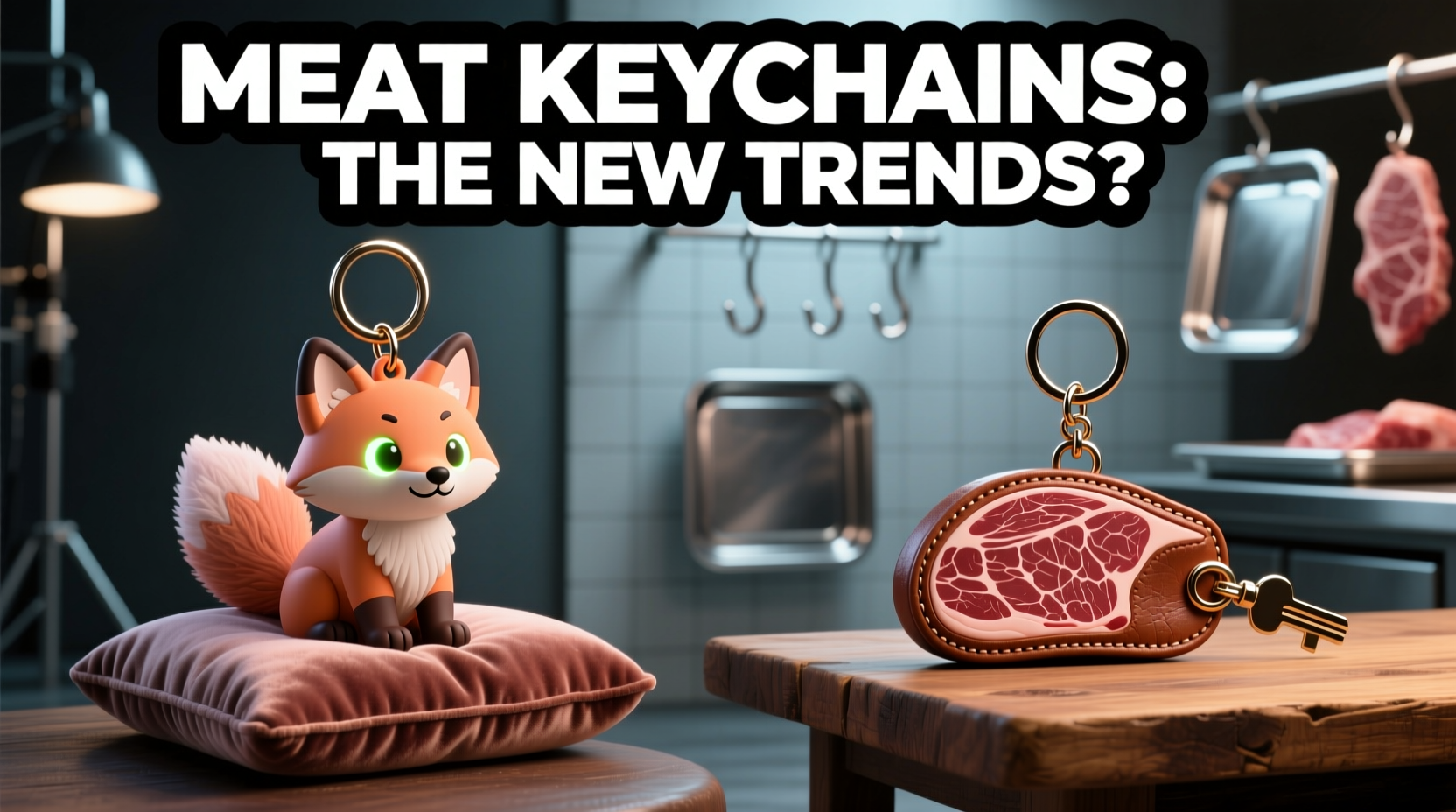
Keychains have long served as more than functional tools. They reflect personality, interests, and even subcultural affiliations. From enamel pins to resin figurines, collectible keychains have found a loyal following among Gen Z and millennial consumers who value self-expression through small, wearable (or carryable) art.
Platforms like Etsy, TikTok, and Instagram have amplified niche trends, turning once-obscure items into viral sensations. Animal keychains—especially kawaii-style creatures—have dominated this space for years. Their appeal lies in emotional resonance: people bond with animals as symbols of comfort, strength, or cuteness.
But as irony and absurdism grow in digital culture, so does the appetite for the unexpected. Enter the meat keychain: a bold departure from tradition, rooted not in emotion but in humor, satire, and sometimes, culinary pride.
Animal Keychains: Timeless Appeal and Emotional Connection
Animal-themed keychains remain the gold standard in the novelty accessory market. Whether it’s a tiny sloth hanging by its claws or a fierce wolf baring its teeth, these designs tap into deep-seated human connections with the animal kingdom.
- Emotional resonance: Many choose animal keychains that represent pets, spirit animals, or beloved wildlife.
- Versatility: Available in plush, metal, acrylic, and silicone forms, they suit diverse tastes—from realistic to cartoonish.
- Gifting popularity: Animal keychains are common gifts for birthdays, holidays, or as souvenirs.
Brands like Sanrio (Hello Kitty), Beast Kingdom, and Pusheen have built entire product lines around animal-centric designs, proving their staying power in global markets.
“People don’t just buy animal keychains—they adopt them. There’s an emotional ownership that transcends function.” — Lila Tran, Product Designer at Urban Trinket Co.
Meat Keychains: From Joke to Cultural Curiosity
At first glance, a plastic steak on your keyring seems absurd. But meat keychains aren’t random—they reflect specific cultural currents. Originating largely in Japan and South Korea, where food-themed novelties are commonplace, these items began as gag gifts before evolving into sought-after collectibles.
Designs range from hyper-realistic silicone bacon strips to cartoonish hot dogs with smiling faces. Some brands even create “grill-marked” steaks or bleeding rare cuts, blurring the line between humor and craftsmanship.
Why would someone choose a meat keychain over a traditional animal design?
- Humor and irony: In meme-driven cultures, carrying a fake steak is a playful middle finger to seriousness.
- Culinary pride: For food enthusiasts, especially carnivores, it’s a badge of identity.
- Conversation starter: Few accessories provoke reactions like a lifelike pork chop jingling on a keyring.
- Nostalgia: Some recall childhood toys or anime references (e.g., One Piece’s meat-loving characters).
A Mini Case Study: The Viral Ribeye
In 2023, a Seoul-based boutique named Iron Grill Goods launched a limited-edition ribeye keychain made from food-grade silicone. Marketed as both a joke gift and a symbol of Korean BBQ pride, it sold out within 72 hours. Resellers listed them for triple the price on eBay and Mercari.
Social media played a crucial role. A TikTok video showing a user grilling vegetables while the keychain “cooked” on the edge of the pan racked up over 2 million views. Comments ranged from “I need this” to “This is the peak of human evolution.”
While clearly humorous, the product tapped into genuine cultural sentiment: food as identity, especially in nations with rich culinary traditions.
Animal vs Meat Keychains: A Direct Comparison
| Feature | Animal Keychains | Meat Keychains |
|---|---|---|
| Emotional Appeal | High – connection to pets, nature, cuteness | Low to moderate – mostly humor or niche pride |
| Market Longevity | Established – decades of popularity | Emerging – recent surge, mostly online |
| Diversity of Design | Extensive – all species, styles, materials | Limited – mostly beef, bacon, sausages |
| Cultural Roots | Global – universal animal symbolism | East Asian origin, spreading via internet culture |
| Gifting Suitability | High – safe, widely appreciated | Moderate – depends on recipient’s sense of humor |
| Durability | Varies – metal lasts longer than plush | Generally high – silicone resists wear |
Are Meat Keychains Becoming a Thing?
The evidence suggests yes—but with caveats. They’re not replacing animal keychains, nor are they likely to dominate mainstream markets. However, they are carving out a legitimate niche.
Several indicators point to growing legitimacy:
- Retail presence: Stores like Hot Topic and BoxLunch now stock meat-themed keychains alongside anime and food merch.
- Brand collaborations: Meat processing companies in Japan have partnered with accessory makers for promotional items.
- Customization: Etsy sellers offer personalized meat keychains—engraved with names or inside jokes.
- Fandom crossover: Fans of shows like Tokyo Revengers or JoJo’s Bizarre Adventure embrace meat motifs as part of character identity.
Still, challenges remain. In some cultures, carrying a fake piece of meat may be seen as distasteful or morbid. Others question sustainability if low-quality plastics are used. And unlike animal designs, meat keychains lack broad emotional depth—limiting their appeal to those “in on the joke.”
How to Choose the Right Keychain for You
Whether you lean toward animals, meat, or something entirely different, here’s a checklist to help you pick the perfect keychain:
📋 Keychain Selection Checklist- ✅ Does it reflect your personality or interests?
- ✅ Is the material durable enough for daily use?
- ✅ Will it fit comfortably on your keyring without bulk?
- ✅ Is it appropriate for your workplace or social settings?
- ✅ Does it come from an ethical or sustainable brand?
- ✅ Will it still feel fun or meaningful in six months?
FAQ
Are meat keychains only popular in Asia?
No, while they originated in East Asian novelty markets, meat keychains have gained fans globally—especially through online communities and social media platforms. Western audiences often embrace them as ironic or comedic accessories.
Do meat keychains have any symbolic meaning?
Not traditionally, but for some, they symbolize love for food, carnivorous diets (like keto or paleo), or fandoms centered around food-loving characters. In certain contexts, they can also represent satire about consumer culture.
Are animal keychains more expensive than meat ones?
Not necessarily. Price depends more on brand, material, and craftsmanship than theme. High-end resin animal keychains can cost $30+, while mass-produced silicone steaks may sell for under $5.
Conclusion: More Than Just a Gag
The debate between animal keychains and meat keychains isn’t really about which is better—it’s about how personal expression evolves in a digital age. Animal designs offer warmth, familiarity, and emotional depth. Meat keychains bring absurdity, humor, and a touch of rebellion against convention.
Meat keychains may never outsell cats or dogs, but their rise signals something important: novelty has value. In a world saturated with serious content, a little silliness—especially one that makes people laugh when jangling in a pocket—can be powerful.
So yes, meat keychains are becoming a thing—not as replacements, but as valid expressions of identity in an increasingly playful consumer landscape.




 浙公网安备
33010002000092号
浙公网安备
33010002000092号 浙B2-20120091-4
Comments
No comments yet. Why don't you start the discussion?