
In recent years, the way neighborhoods celebrate the holiday season has undergone a quiet but significant transformation. What was once a modest display of string lights and lawn ornaments has evolved into high-tech spectacles featuring synchronized music, motion-controlled animations, and social media-driven foot traffic. At the heart of this shift lies a growing divide: animated light displays versus traditional static setups. This contrast isn’t just aesthetic—it reflects broader changes in community engagement, digital influence, and seasonal tourism that are reshaping suburban dynamics across North America.
While static decorations—such as fixed LED strings, inflatable snowmen, or ceramic nativity scenes—remain popular for their simplicity and affordability, animated displays are increasingly capturing public attention. These dynamic installations often feature programmable RGB LEDs, motorized figures, and sound systems that turn private homes into nightly attractions. The result? Some neighborhoods report surges in visitation, while others maintain a quieter charm. Understanding this trend offers insight not only into holiday culture but also into how technology, social behavior, and local identity intersect during peak seasons.
The Rise of the Animated Light Display Movement
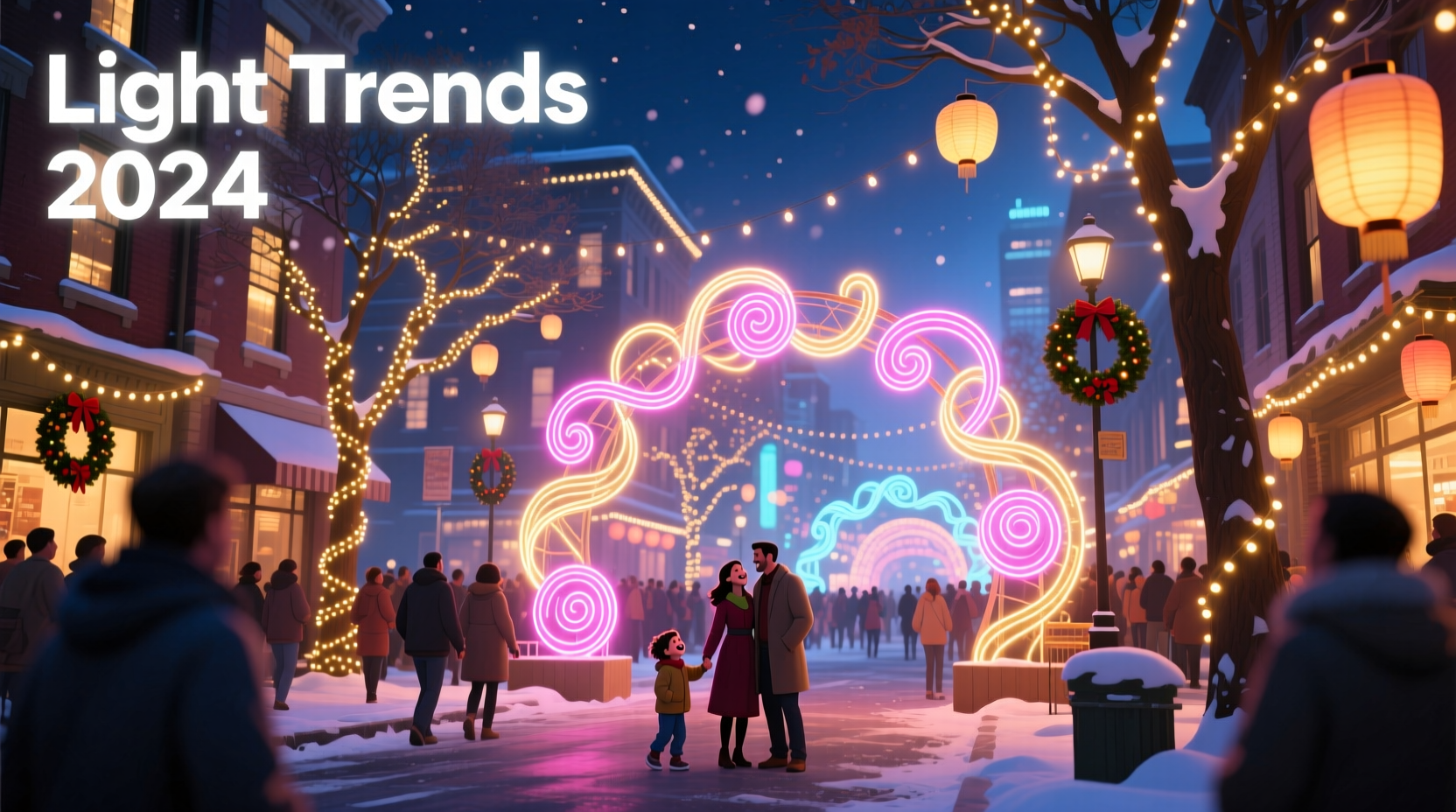
The animated light display phenomenon didn’t emerge overnight. Its roots trace back to early DIY enthusiasts who began experimenting with home automation and lighting control software in the 2000s. Platforms like Light-O-Rama and xLights democratized access to professional-grade sequencing tools, allowing hobbyists to synchronize hundreds of lights to music with precision timing. As internet connectivity improved and affordable smart lighting (like Wi-Fi-enabled bulbs and addressable LED strips) became mainstream, more homeowners embraced the challenge.
What started as niche experimentation has now entered the cultural mainstream. Cities such as Cincinnati, Denver, and Vancouver host official \"lights trails\" where residents can drive through designated routes to view the most elaborate displays. Social media platforms like TikTok and Instagram have amplified visibility—videos of dancing trees, color-shifting rooftops, and choreographed Santa figures regularly go viral, drawing thousands of viewers—and sometimes real-world visitors.
This surge in popularity correlates with measurable impacts on neighborhood activity. A 2023 study by the Urban Festive Lighting Project found that homes with animated displays received an average of 47% more evening visitors than those with static setups during December. In some cases, entire streets reported increased foot traffic, prompting local authorities to install temporary signage, parking restrictions, or even shuttle services to manage crowds.
“Animated displays are no longer just about decoration—they’re becoming community events. We’re seeing families plan weekend outings around them, much like visiting a botanical garden light show.” — Dr. Linda Tran, Cultural Geographer at McGill University
Static Setups: Simplicity, Tradition, and Suburban Identity
Despite the rise of animation, static light displays continue to dominate in terms of total numbers. According to the National Home Decor Survey (2024), approximately 68% of households that decorate for the holidays use only non-moving elements such as steady-wattage string lights, wreaths, candles, and stationary figurines. For many, these choices reflect values of tradition, restraint, and low maintenance.
Static setups are particularly prevalent in older suburban developments and rural areas where community norms favor understated elegance over spectacle. These displays often emphasize symmetry, warm color palettes (like amber or soft white), and classic motifs—evergreen garlands, star-topped trees, and candlelit windowsills. They require minimal technical knowledge, less electricity, and pose fewer logistical challenges in terms of setup and takedown.
Moreover, static decorators often cite concerns about noise, light pollution, and disruption to neighbors when explaining their preference. In multi-family housing complexes or densely packed neighborhoods, large-scale animations can be seen as intrusive, especially if they include loudspeakers broadcasting music into the night.
Comparing Impact: Popularity, Engagement, and Community Response
To understand how animated and static displays affect neighborhood popularity, it's essential to examine several dimensions: visitor volume, social media presence, energy use, and neighbor relations.
| Feature | Animated Displays | Static Setups |
|---|---|---|
| Average Nightly Visitors | 50–300+ | 0–20 |
| Social Media Mentions (Dec) | High (often tagged locations) | Rare |
| Setup Time | 40–100+ hours | 2–10 hours |
| Energy Consumption (avg. monthly kWh) | 350–700 | 50–150 |
| Neighbor Complaints (per 100 homes) | 12–18 | 1–3 |
| Likelihood of Local News Feature | High | Very Low |
The data reveals a clear trade-off: animated displays generate greater visibility and excitement but come with higher costs and potential friction. Meanwhile, static setups offer consistency and harmony at the expense of virality. However, some communities are finding ways to blend both approaches—designating “showcase zones” where animations are encouraged, while preserving quieter areas for traditional decor.
Case Study: Maple Ridge vs. Oak Hollow Neighborhoods
Two adjacent suburbs in central Ohio provide a revealing comparison. Maple Ridge, a planned community built in the 1990s, saw a dramatic shift in its holiday profile after one resident installed a full animated display in 2020. Featuring 12,000 LEDs, five motorized reindeer, and a rooftop controller synced to a playlist broadcast via FM transmitter, the house quickly gained local fame.
By 2023, nearly 40% of Maple Ridge homes had adopted some form of animated element—ranging from simple flickering stars to full musical sequences. The neighborhood association began publishing an annual “Light Map,” complete with QR codes linking to audio channels. Visitor traffic peaked at over 1,200 cars per weekend night, prompting the city to add street lighting and temporary crosswalks.
In contrast, Oak Hollow, located just two miles away, maintained a strict policy of minimalism. Their homeowners’ association discourages anything beyond single-color string lights and prohibits external speakers. While they receive occasional visits from friends and family, there is no measurable increase in seasonal traffic.
Interestingly, property value trends diverged. Over three years, Maple Ridge saw a 6.2% average home value increase, partly attributed to enhanced desirability and community branding. Oak Hollow rose by 4.1%, consistent with regional averages. Residents in both areas expressed satisfaction—one valuing vibrancy, the other peace—but acknowledged the cultural gap widening between them.
How to Choose: A Step-by-Step Decision Guide
Deciding between an animated display and a static setup depends on personal goals, resources, and community context. Follow this timeline to make an informed choice:
- Assess Your Motivation (Week 1): Are you decorating for family enjoyment, community contribution, or social recognition? Animation suits public-facing goals; static works well for intimate celebrations.
- Survey Neighbor Norms (Week 2): Walk or drive through your area. Note existing styles. Consider discussing ideas informally with adjacent households to avoid surprises.
- Budget Planning (Week 3): Animated systems can cost $500–$3,000+ initially, plus higher electricity bills. Static setups typically range from $50–$300.
- Technical Readiness (Week 4): Evaluate your comfort with programming, wiring, and weatherproofing. Animated displays require troubleshooting skills and time investment.
- Pilot Test (November): Start small—even a single animated element (e.g., a waving Santa) can gauge reaction without full commitment.
- Evaluate Feedback (Post-Holiday): Ask neighbors and visitors for honest input. Track energy usage and maintenance needs for future planning.
Actionable Tips for Both Display Types
Whether you choose motion or stillness, certain best practices apply universally:
- Use timers to limit display hours (e.g., 5 PM to 10 PM) to reduce energy waste and light pollution.
- Invest in weather-resistant cords and elevated connections to prevent water damage.
- Label all components clearly for easier storage and reassembly next year.
- Consider solar-powered options for pathway lights or accent pieces to lower grid dependence.
Checklist: Preparing Your Holiday Display
Use this checklist to ensure a smooth setup regardless of style:
- ☐ Inspect all lights and cords for fraying or damage
- Replace faulty units before installation.
- ☐ Confirm power sources and outlet accessibility
- Use GFCI outlets outdoors and avoid daisy-chaining more than three strands.
- ☐ Secure permits if required
- Some municipalities require approval for large displays or public viewing areas.
- ☐ Notify local authorities if expecting crowds
- Police or fire departments may need to be aware of traffic implications.
- ☐ Upload sequences or finalize layout
- For animators: test audio sync indoors first. For static: sketch placement for balance.
- ☐ Install safety signage if needed
- “Watch for Pedestrians” signs help manage visitor flow responsibly.
Frequently Asked Questions
Do animated light displays significantly increase my electric bill?
Yes, depending on scale. A basic animated setup with 2,000 LEDs and a sound system may add $40–$90 to your monthly winter bill. Larger installations using multiple controllers and incandescent backup lights can exceed $150. Using LED-only components and limiting runtime helps control costs.
Can I combine animated and static elements in one display?
Absolutely. Many successful displays integrate both. For example, keep rooflines in steady white while adding synchronized flashing effects to tree lights or driveway figures. This hybrid approach balances visual interest with energy efficiency and neighbor considerations.
Are there zoning laws that restrict animated displays?
Some cities and HOAs do impose limits. Common regulations include maximum decibel levels for outdoor audio (typically 60–65 dB at property line), restricted operating hours (e.g., no music after 9 PM), and caps on total wattage. Always check municipal codes and homeowner association rules before investing in equipment.
Final Thoughts: Balancing Innovation and Community Harmony
The growing divide between animated and static holiday displays reflects deeper shifts in how people engage with their surroundings. Technology enables unprecedented creativity, turning private yards into shared experiences. Yet, with innovation comes responsibility—to respect neighbors, conserve resources, and preserve the spirit of inclusivity that defines the season.
Neighborhood popularity today isn't just shaped by schools or walkability; it's influenced by seasonal vibrancy and digital presence. Homes with animated displays are becoming informal landmarks, contributing to local identity in ways previously reserved for parks or historic districts. At the same time, the enduring appeal of quiet, tasteful lighting reminds us that charm doesn’t require movement or music.
The future likely holds more integration than polarization. We may see standardized “holiday zones” within suburbs, apps that map display types, and even municipal grants supporting energy-efficient festive lighting. Until then, the choice remains personal—but informed decisions benefit everyone.




 浙公网安备
33010002000092号
浙公网安备
33010002000092号 浙B2-20120091-4
Comments
No comments yet. Why don't you start the discussion?