
Anime character personality tests have surged in popularity across social media platforms, captivating millions with their colorful questions and instantly relatable results. While often seen as lighthearted entertainment, these quizzes tap into deeper psychological mechanisms—offering surprising insights into our real-world personalities, emotional tendencies, and behavioral patterns. Behind the playful facade of choosing between Naruto’s determination or Sailor Moon’s empathy lies a mirror reflecting aspects of who we truly are.
Unlike standardized psychological assessments, anime-based personality quizzes aren’t clinically validated. Yet their widespread appeal stems from how effectively they use narrative archetypes, emotional resonance, and cultural familiarity to prompt introspection. When you select a favorite character or imagine how you’d react in an anime-style scenario, you’re not just playing a game—you’re revealing subconscious preferences, values, and coping strategies.
The Psychology Behind Character-Based Personality Tests
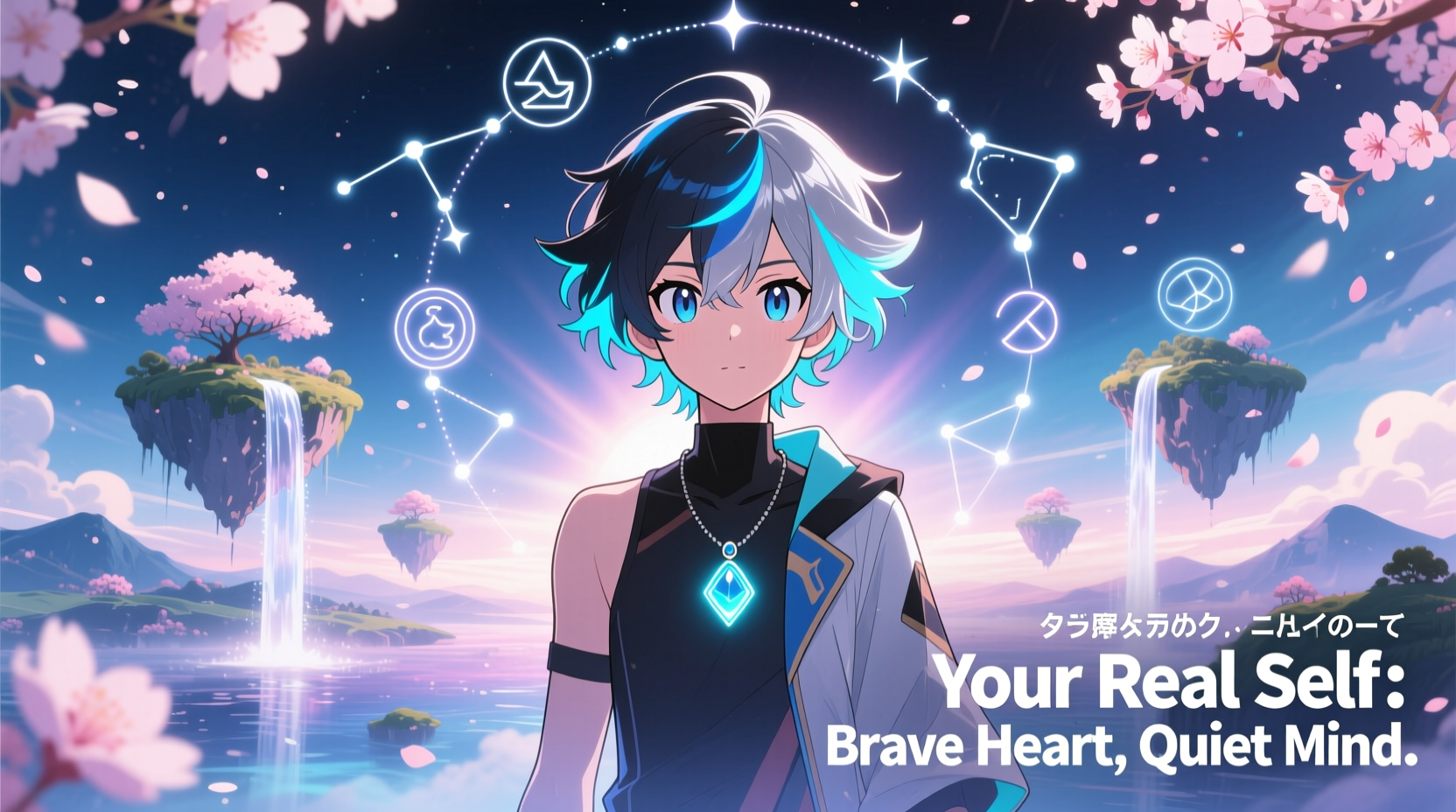
At their core, anime personality tests function similarly to projective psychological tools like the Rorschach inkblot test. They present ambiguous or story-driven prompts and ask individuals to interpret them through personal identification. The choices made—such as “Which character would you trust in a crisis?” or “How would you respond to betrayal?”—act as proxies for underlying beliefs and emotional responses.
Dr. Lena Matsuda, a cultural psychologist specializing in media and identity, explains:
“Fictional characters serve as symbolic representations of human traits. When people align themselves with a character like Light Yagami or Hinata Hyuga, they’re not merely expressing fandom—they’re mapping complex facets of self-concept onto familiar narratives. This process can uncover hidden motivations, fears, and ideals.” — Dr. Lena Matsuda, PhD, Cultural Psychologist
These tests leverage the self-schema theory, which suggests that individuals organize their understanding of themselves around central themes—like independence, loyalty, or resilience. Anime characters often embody exaggerated versions of these traits, making it easier for users to recognize and claim them.
For example:
- Selecting a stoic, disciplined character like Byakuya Kuchiki may reflect a personal value on control and decorum.
- Choosing a chaotic but passionate figure like Gon Freecss could indicate high openness and risk tolerance.
- Identifying with trauma-informed characters such as Eren Yeager might point to struggles with anger, justice, or personal agency.
Common Archetypes and What They Reveal About You
Anime thrives on archetypal storytelling. Characters are frequently built around universal roles—hero, mentor, rebel, healer, trickster—that resonate across cultures. When you consistently choose certain types of characters, patterns emerge about your inner world.
| Character Archetype | Associated Traits | Potential Real-Life Reflections |
|---|---|---|
| The Lone Warrior (e.g., Sasuke Uchiha) | Independence, guardedness, intense focus | You may value autonomy highly, distrust group dynamics, or carry past emotional wounds that shape your relationships. |
| The Optimistic Hero (e.g., Naruto Uzumaki) | Resilience, charisma, perseverance | You likely possess strong emotional recovery skills and believe in second chances—even when faced with rejection or failure. |
| The Quiet Supporter (e.g., Shikamaru Nara) | Strategic thinking, emotional restraint, loyalty | You prefer observing before acting, value efficiency, and may avoid conflict unless deeply provoked. |
| The Idealist Healer (e.g., Sakura Kinomoto) | Empathy, nurturing, optimism | You prioritize harmony, often put others’ needs first, and may struggle with setting boundaries. |
| The Anti-Hero (e.g., Griffith from Berserk) | Ambition, moral flexibility, charisma | You may be driven by long-term goals, willing to make difficult choices, and question conventional ethics. |
It's important to note that identifying with a \"dark\" or morally ambiguous character doesn’t mean you possess those negative traits in real life. Instead, it may reflect an awareness of complexity—recognizing that survival, success, or justice sometimes require compromise.
What Your Test Results Might Say About Your Emotional Patterns
Beyond surface-level traits, consistent choices in anime personality quizzes can illuminate deeper emotional currents. Consider the following scenarios:
Repeatedly Choosing Characters Who Seek Revenge
If your results often align with vengeful protagonists like Guts or Eren, it may suggest unresolved anger or a strong sense of injustice. These characters resonate with individuals who feel wronged or powerless in real life. The fantasy of retribution becomes a symbolic outlet for suppressed emotions.
Always Picking the Sacrificial Character
Characters like Neji Hyuga or Mako from *Legend of Korra* who sacrifice themselves for others often appeal to highly empathetic individuals. While this reflects deep compassion, it can also signal a tendency toward self-neglect or seeking validation through service.
Drawn to Emotionally Detached Figures
If you identify with cold intellects like L from *Death Note* or Rei Ayanami, you may rely heavily on logic to manage emotional discomfort. This isn’t inherently negative—but it can indicate avoidance of vulnerability or difficulty expressing feelings in relationships.
“We don’t just pick characters we admire—we pick ones we understand. That understanding often comes from shared pain.” — Dr. Aris Thorne, Clinical Counselor
How to Interpret Your Results Constructively
Anime personality tests shouldn’t replace therapy or formal assessment, but they can serve as accessible tools for self-awareness. The key is to move beyond labeling (“I’m a Killua”) and instead ask: Why does this character resonate? What need do they fulfill?
Follow this step-by-step guide to extract meaningful insight from your next quiz result:
- Record the Result: Write down which character you were matched with and the traits listed.
- Reflect on Resonance: Ask yourself: Do I see this in my daily behavior? When did I last act like this character?
- Trace the Origin: Was there a moment in your life—childhood, trauma, achievement—that shaped this trait?
- Assess Balance: Is this trait serving me? For example, being like Levi Ackerman (efficient, disciplined) is useful at work but may hinder intimacy if overused.
- Explore Alternatives: Identify a character with opposite traits. What could you learn from them? Could integrating some of their qualities bring balance?
Mini Case Study: From Quiz Result to Personal Insight
Sophie, a 27-year-old graphic designer, repeatedly scored as “Todoroki Shoto” on anime personality tests—praised for strength, discipline, and emotional suppression. Initially proud of the match, she began noticing a pattern: every time she took a new quiz, the result emphasized detachment or internalized pain.
After discussing this with her therapist, Sophie realized she had grown up equating emotional silence with maturity. Like Todoroki, she had learned to “endure” rather than express. Her quiz results weren’t just fun outcomes—they were echoes of a coping mechanism developed in childhood.
Armed with this awareness, Sophie started journaling moments when she felt emotions but stayed silent. Over time, she worked on expressing frustration and sadness in safe environments. The anime test didn’t diagnose her—but it gave her language to begin healing.
Limitations and Responsible Use
While entertaining and occasionally insightful, anime personality tests come with caveats:
- Lack of Standardization: No two quizzes measure the same way. One might assess values, another decision-making style.
- Confirmation Bias: People tend to accept results that confirm existing self-perceptions, even if inaccurate.
- Oversimplification: Reducing someone to a single character ignores the fluidity and complexity of identity.
- Viral Influence: Popular characters trend online, skewing results toward current favorites rather than authentic matches.
To avoid misinterpretation, treat these quizzes as conversation starters—not psychological profiles.
Checklist: How to Use Anime Personality Tests Wisely
- ✅ Take multiple quizzes from different sources to compare results.
- ✅ Reflect on why a character resonates—not just that they do.
- ✅ Avoid using results to excuse harmful behavior (“I’m just like Sasuke—he was cold too!”).
- ✅ Discuss surprising results with a trusted friend or therapist.
- ✅ Revisit old results after months; notice changes as you grow.
- ✅ Remember: Fictional alignment doesn’t define your worth or potential.
Frequently Asked Questions
Can anime personality tests accurately reveal my true self?
Not definitively, but they can highlight tendencies and blind spots. Their value lies in prompting reflection, not delivering scientific truth. Think of them as mirrors held up to your subconscious—not X-rays.
I keep getting matched with “toxic” characters. Does that mean I’m toxic?
No. Identifying with complex or flawed characters often means you understand nuance. It may reflect empathy for broken people, fascination with power dynamics, or recognition of your own struggles. What matters is whether you act harmfully—not whom you relate to fictionally.
Are these tests based on real psychology?
Some borrow concepts from Jungian archetypes or the Big Five personality model, but most are designed for engagement, not accuracy. They’re more aligned with pop psychology than clinical science. Enjoy them critically.
Conclusion: Beyond the Avatar—Using Fiction to Know Yourself
Anime character personality tests are more than digital distractions. In a world where self-understanding feels increasingly elusive, they offer a creative gateway to introspection. By projecting ourselves onto animated figures, we bypass the defensiveness that often blocks honest self-evaluation.
Your result—whether it’s Goku’s relentless optimism or San’s feral protectiveness—isn’t a label. It’s a clue. A whisper from your inner world asking to be heard. The real value isn’t in sharing your match on social media, but in pausing afterward and asking: Is this me? Is this who I want to be?




 浙公网安备
33010002000092号
浙公网安备
33010002000092号 浙B2-20120091-4
Comments
No comments yet. Why don't you start the discussion?