
Anime figure collecting has evolved from a niche hobby into a global passion, blending art appreciation with fandom. For beginners, the appeal is undeniable—vibrant sculpts, iconic characters, and the thrill of the hunt. But without guidance, it's easy to overspend, misjudge quality, or damage prized pieces. The difference between a curated collection and a costly regret often comes down to knowledge gained early. This guide delivers practical, field-tested advice on buying wisely and preserving your figures with care.
Start with Research, Not Impulse
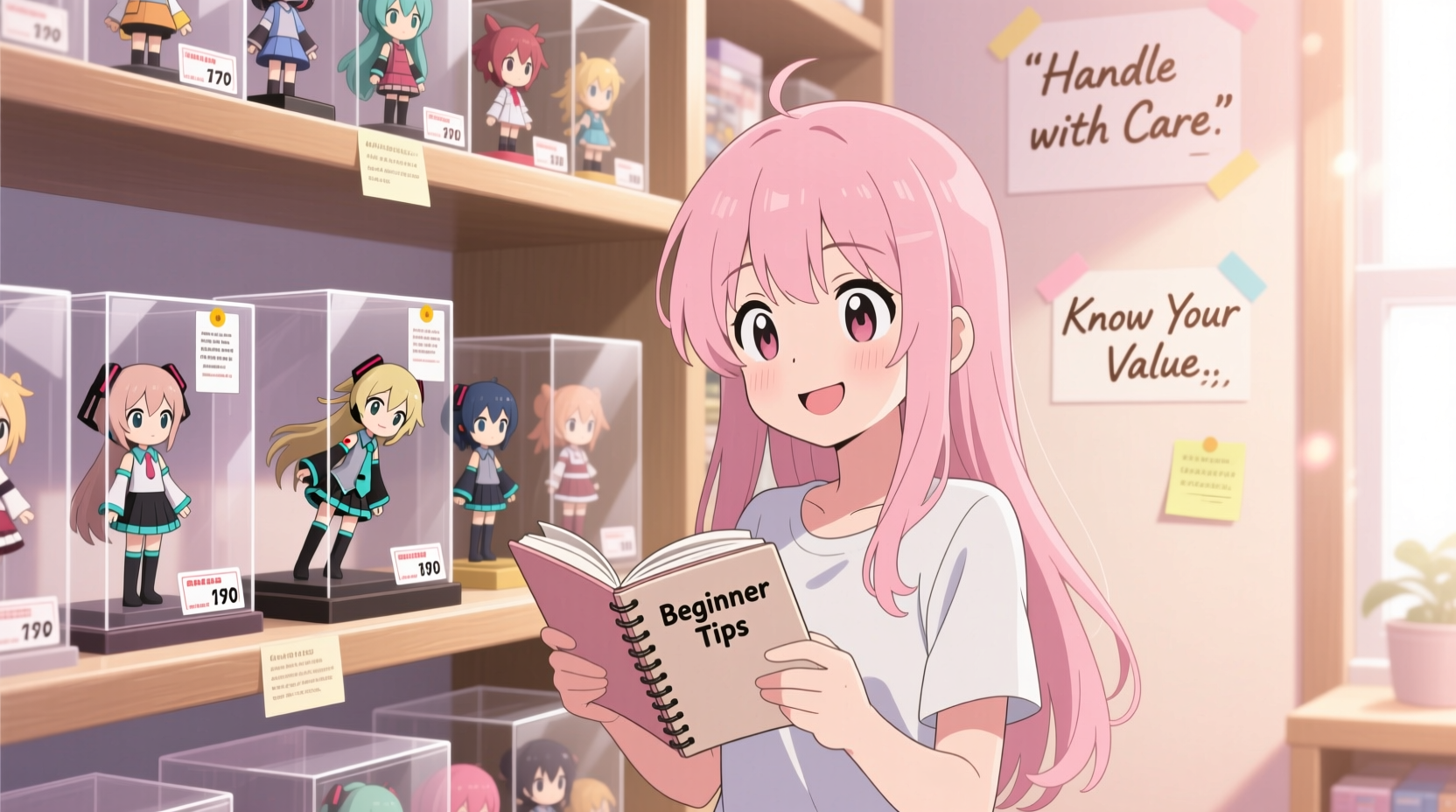
The most common mistake new collectors make is acting on emotion. A stunning promo image, limited availability, or social media hype can trigger an instant purchase. While excitement is part of the fun, informed decisions protect your budget and collection quality.
Before buying any figure, research its manufacturer, scale, material composition, and typical market price. Reputable brands like Good Smile Company, Alter, Kotobukiya, and Aniplex consistently deliver high-quality sculpts and paintwork. Counterfeits and lower-tier resins often mimic popular designs but fall short in detail and durability.
Check release dates and production runs. Limited editions may appreciate, but exclusivity doesn’t guarantee long-term value. Some figures sell out quickly only to drop in price months later when demand fades. Patience pays off—watch secondary markets for a few weeks after launch to spot inflated trends.
Avoid Overpaying: Smart Buying Strategies
Figures range from $30 garage kits to $1,000+ masterpieces. Beginners often assume higher price equals better value, but resale dynamics are unpredictable. Here’s how to spend wisely.
Set a Realistic Budget
Determine monthly spending limits based on income, not desire. Many collectors recommend allocating no more than 5–10% of disposable income to hobbies. Stick to it—even “must-have” releases lose their shine when they strain finances.
Buy New, Not Just First
New doesn’t mean day-one. Avoid bidding wars on auction sites during initial release windows. Prices often stabilize after 4–8 weeks. Monitor platforms like Yahoo! Japan Auctions (via proxy services), Mandarake, or HobbyLink Japan for fair-market pricing.
Use Price Tracking Tools
Sites like FigureRise Shop or Kotodama offer historical pricing data. Set alerts for specific items. You’ll see patterns—some figures peak at launch and decline, while others slowly rise due to scarcity or character popularity.
“New collectors often pay premiums for ‘grail’ figures without understanding long-term holding costs. Value isn’t just in the figure—it’s in condition and context.” — Kenji Tanaka, Collector & Moderator, r/Figures
Display Like a Pro: Protect Your Investment
A figure’s lifespan depends heavily on display conditions. Sunlight, dust, humidity, and temperature swings degrade materials over time. PVC, the most common plastic used, yellows under UV exposure and becomes brittle with age.
Control Light Exposure
Natural sunlight is the enemy. Even indirect light contains UV rays that fade paint and discolor plastics. Use LED lights with low UV output if illumination is desired, and position shelves away from windows.
Manage Humidity and Temperature
Ideal storage conditions are 18–24°C (64–75°F) and 40–50% humidity. High moisture encourages mold; dry air increases static and cracking risk. In humid climates, use silica gel packs inside display cases. In dry areas, a small humidifier helps maintain balance.
Elevate with Proper Shelving
Open shelves look great but expose figures to dust and accidental bumps. Glass display cabinets with locking doors offer superior protection. If using open shelving, rotate cleaning weekly and consider acrylic dust covers for valuable pieces.
Essential Care Checklist
Maintaining your collection doesn’t require hours of work—just consistency. Follow this checklist monthly:
- Wipe surfaces gently with a microfiber cloth
- Inspect for yellowing, cracks, or loose parts
- Rotate figures occasionally to prevent one-sided fading
- Check seals on display cases for dust infiltration
- Verify lighting isn’t generating excess heat
- Update inventory logs with photos and purchase details
Storage Do’s and Don’ts
| Action | Do | Don't |
|---|---|---|
| Storing unopened boxes | Keep upright in cool, dark closet with acid-free paper between flaps | Stack horizontally or expose to direct light |
| Cleaning figures | Use dry microfiber or soft brush; compressed air for crevices | Use water, alcohol, or household cleaners |
| Handling delicate parts | Support from base; avoid touching thin accessories (wands, wings) | Lift by arms, hairpieces, or fragile protrusions |
| Long-term preservation | Store in original boxes inside display cases with UV-filtering glass | Leave exposed in high-traffic or pet-prone areas |
Real Example: The Overeager First Purchase
Ryan, a college student and longtime anime fan, saw a limited edition Fate/stay night Saber figure listed on a third-party marketplace. It was marketed as “rare,” priced at $280—$100 above retail. Fearing it would sell out, he bought it immediately using his credit card.
Two months later, he discovered the same figure available sealed for $180 on a reputable Japanese proxy. Worse, he’d placed it on a sunlit shelf. Within six months, the white armor began yellowing at the edges. He learned three hard lessons: check multiple sources, wait for price stabilization, and control environmental exposure.
Today, Ryan uses a spreadsheet to track desired figures, sets budget caps, and displays everything in a UV-protected cabinet. His next purchase? A well-researched, fairly priced figure he waited six months for—and saved $90 in the process.
Step-by-Step Guide to Building a Sustainable Collection
Follow this timeline to grow thoughtfully and avoid common pitfalls:
- Week 1–2: Define your focus. Will you collect by series, character, sculptor, or brand? Narrowing scope prevents scattered spending.
- Week 3–4: Join online communities. Reddit, Discord servers, and collector blogs offer real-time insights and warnings about scams or overpriced items.
- Month 2: Set up a tracking system. Use free tools like Google Sheets or dedicated apps to log wishlists, prices, and release dates.
- Month 3: Make your first purchase—with constraints. Limit it to under $80 and buy from a trusted retailer. Verify packaging integrity upon arrival.
- Ongoing: Schedule monthly reviews. Assess what you own, what you want, and whether your display setup still works. Adjust as needed.
Frequently Asked Questions
Should I keep figures in the box or take them out?
It depends on intent. If you plan to resell or preserve value, keep them sealed. For enjoyment and display, unboxing is perfectly valid—many collectors believe figures are meant to be seen. Just ensure the environment is safe and clean.
How do I spot counterfeit figures?
Counterfeits often have blurry facial details, uneven paint, incorrect proportions, or misspelled branding. Compare side-by-side with official product images. Weight matters too—authentic PVC has a distinct heft. Buy from authorized sellers whenever possible.
Can I repair a broken figure?
Minor breaks can be fixed with plastic cement or super glue (test on inconspicuous area first). For painted areas, touch-up paints like Mr. Color or Citadel Shades help blend repairs. Major damage may require professional restoration, which can cost more than replacement.
Final Thoughts: Collect with Purpose
Anime figure collecting should bring joy, not stress. The most satisfying collections aren’t defined by size or price tags, but by intentionality. Each piece should earn its place through personal significance, craftsmanship, or emotional connection—not fear of missing out.
By researching thoroughly, resisting impulse buys, and creating a stable display environment, you protect both your investment and your peace of mind. Over time, your space will evolve into a gallery of memories—a testament to stories you love and choices you made wisely.




 浙公网安备
33010002000092号
浙公网安备
33010002000092号 浙B2-20120091-4
Comments
No comments yet. Why don't you start the discussion?