
Anime figures are more than collectibles—they’re expressions of fandom, craftsmanship, and often significant investments. Whether you own a limited-edition statue from your favorite series or a growing collection of scale figures, preserving their condition is essential. One of the most persistent threats to these delicate pieces is dust. Over time, even fine particles can dull paint finishes, obscure intricate details, and create a constant cleaning burden. The debate between using a display case versus an open shelf often centers on aesthetics, space, and accessibility—but when it comes to dust protection, one option clearly outperforms the other. Understanding the differences helps collectors make informed decisions that balance visibility with preservation.
Dust: A Silent Enemy of Anime Figures
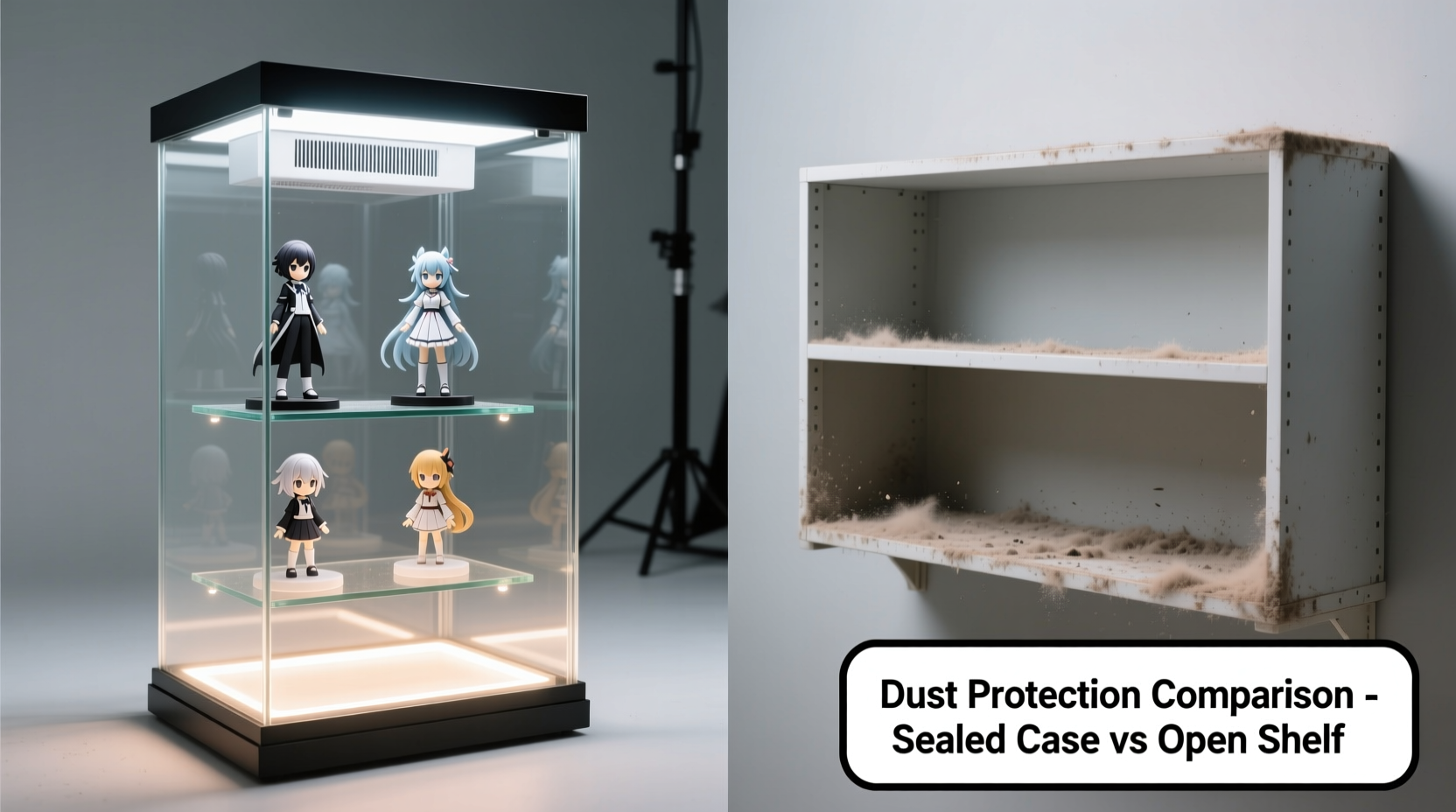
Dust may seem harmless, but for anime figures made from materials like PVC, ABS resin, or polystone, it poses real risks. Dust accumulates quickly in indoor environments, composed of skin cells, fabric fibers, pollen, and airborne pollutants. When left unchecked, it forms a thin film over surfaces that:
- Obscures fine sculpting and paintwork,
- Attracts moisture, potentially leading to mildew or staining,
- Can scratch surfaces during cleaning if not handled gently,
- Increases maintenance frequency and effort.
In humid climates or homes with pets and carpets, dust buildup accelerates. Even air purifiers only reduce—not eliminate—this issue. For collectors who value pristine presentation, minimizing exposure is critical. This is where the choice between enclosed display cases and open shelves becomes pivotal.
How Display Cases Protect Against Dust
Enclosed display cases act as physical barriers between your figures and the surrounding environment. Most commercial cases feature tempered glass or acrylic panels with tight-sealing doors or sliding mechanisms. These enclosures drastically reduce airflow, limiting how much dust can settle on displayed items.
Well-designed cases include features such as:
- Minimal gaps around doors or hinges,
- Soft interior lining to prevent scratches,
- UV-protective glass to guard against sunlight damage,
- Locking mechanisms for security and tighter seals.
Some high-end models even incorporate desiccant compartments to control humidity, further protecting figures from environmental degradation. Because the interior remains relatively sealed, dust accumulation slows significantly—often requiring cleaning only every few months instead of weekly.
“From a conservation standpoint, any barrier that limits particulate exposure extends the lifespan of collectible plastics.” — Dr. Lena Park, Materials Preservation Specialist
Types of Display Cases and Their Effectiveness
Not all display cases offer equal protection. The level of dust resistance depends on construction quality and design:
| Type | Dust Protection Level | Key Features |
|---|---|---|
| Basic Acrylic Box | Moderate | Affordable, lightweight; may have small gaps at edges |
| Tempered Glass Cabinet (Full Enclosure) | High | Tight seals, durable, often includes backing and lighting |
| Custom-Built Museum Case | Very High | Climate-controlled options, gasket seals, inert interior materials |
| Floating Wall Shelf with Cover | Low-Moderate | Partial enclosure; top open or hinged, allows some airflow |
The best cases minimize air exchange while maintaining visibility. However, they aren’t without trade-offs—such as reduced access and potential reflections from glass.
The Reality of Open Shelves and Dust Exposure
Open shelves prioritize accessibility and visual impact. They allow unobstructed views from multiple angles, making them ideal for photography or dynamic arrangements. Many collectors favor them for creating immersive displays, especially when combined with themed backdrops or LED lighting.
However, when it comes to dust protection, open shelves fall short. Without any barrier, figures are fully exposed to ambient air currents, which carry dust directly onto surfaces. In a typical home, open-shelved figures may require dusting every 7–10 days to maintain a clean appearance.
Worse, frequent handling increases the risk of accidental damage. Reaching in to wipe down a figure raises the chance of knocking over adjacent pieces. Over time, this cycle of exposure and cleaning contributes to micro-abrasions and finish wear.
Do Dust Covers on Open Shelves Help?
Some collectors use removable cloth or acrylic covers over open shelves. While this adds a layer of protection when the display isn’t being viewed, it introduces inconvenience. The cover must be removed and stored each time someone wants to enjoy the collection, which many find impractical for daily viewing.
Additionally, soft covers can generate static electricity, attracting dust themselves and transferring it back onto figures during removal. Unless the cover is anti-static and regularly cleaned, its benefits are limited.
Real Collector Experience: A Side-by-Side Comparison
Consider the experience of Hiro Tanaka, a longtime collector from Osaka with over 120 figures spanning two decades. He maintains two primary display zones in his home office: a glass-enclosed cabinet for rare and vintage pieces, and a set of floating oak shelves for newer, frequently rotated figures.
After tracking maintenance efforts over six months, he observed clear differences:
- The enclosed cabinet required dusting only once every eight weeks. No figures showed visible grain buildup.
- The open shelves needed wiping every 5–6 days. Two figures developed faint haze on matte capes within three months.
- One incident occurred when a guest accidentally brushed against the open shelf, causing a figure to tip and chip its base.
“I love how the open shelf looks,” Hiro admits, “but I’ve started moving my favorites into the case. The peace of mind outweighs the slight reduction in visibility.”
This real-world example illustrates a common trajectory among serious collectors: initial preference for openness often shifts toward prioritized protection as collections grow in value and sentimental importance.
Choosing the Right Solution: A Practical Checklist
Selecting between a display case and an open shelf shouldn’t be arbitrary. Use this checklist to evaluate your priorities:
- Assess your environment: Do you live in a dusty area, have pets, or lack central air filtration?
- Evaluate your collection’s value: Are figures limited edition, expensive, or difficult to replace?
- Consider cleaning habits: Can you commit to weekly dusting, or do you prefer low-maintenance solutions?
- Think about location: Is the display near a window, doorway, or HVAC vent where airflow increases dust settling?
- Budget for long-term care: Will saving money now lead to higher restoration costs later?
If most answers lean toward preservation, a display case is the superior choice. If display flexibility and interaction matter more, open shelves can work—with added diligence.
Hybrid Strategies for Optimal Protection
You don’t have to choose strictly between cases and shelves. Many collectors adopt hybrid approaches that balance protection and presentation:
- Zoned Display: Reserve cases for high-value or fragile figures, and use open shelves for less sensitive or rotating pieces.
- Modular Shelving with Doors: Some modern units combine open sections with closable cabinets in one unit, offering both visibility and protection.
- Intermittent Enclosures: Use temporary acrylic domes or cloches over individual figures on open shelves to shield specific items.
- Environmental Controls: Pair open shelves with room air purifiers and dehumidifiers to reduce airborne particles and moisture.
These strategies allow customization based on evolving needs. For instance, a collector might start with open shelves and gradually transition to enclosed storage as their collection matures.
Step-by-Step Guide to Minimizing Dust on Any Display
No matter which system you choose, follow these steps to maximize dust protection:
- Choose the right location: Avoid placing displays near windows, vents, or high-traffic areas where air movement stirs dust.
- Pre-clean before display: Wipe down new figures with a microfiber cloth before placing them to avoid trapping factory dust.
- Use anti-static products: Treat nearby surfaces (shelves, walls) with anti-static sprays to reduce particle attraction.
- Invest in tools: Keep a soft-bristle brush, compressed air duster, and lint-free cloths dedicated to figure maintenance.
- Schedule cleaning: Set calendar reminders to inspect and clean displays regularly—even if behind glass.
- Rotate displays: Limit exposure by cycling figures in and out of storage, reducing cumulative dust contact.
Consistency matters more than perfection. A simple weekly routine prevents deep buildup and preserves detail over years.
Frequently Asked Questions
Can I convert an open shelf into a dust-resistant setup?
Yes. Adding a custom acrylic cover, installing a back panel, or placing the shelf inside a recessed wall unit can reduce dust exposure. However, full sealing is difficult without compromising aesthetics or access.
Do display cases cause condensation or trapped moisture?
Poorly ventilated cases in humid environments can develop condensation, especially if temperature fluctuates. To prevent this, use silica gel packs inside the case and avoid placing it near heat sources or cold walls.
Are there dust-proof materials for figures?
No material is completely dust-proof, but glossy finishes tend to resist dust adhesion better than matte ones. Some manufacturers apply protective coatings, but these wear over time and aren’t substitutes for proper storage.
Final Recommendation: Prioritize Protection Without Sacrificing Joy
When comparing anime figure display cases and open shelves for dust protection, the verdict is clear: enclosed cases offer superior defense. They limit exposure, reduce maintenance, and safeguard investments over the long term. That said, open shelves provide unmatched immediacy and aesthetic freedom—qualities that matter deeply to passionate fans.
The smartest approach combines both. Use display cases as the default for prized or irreplaceable figures, and reserve open shelves for those you enjoy interacting with regularly. By aligning your storage method with the value and vulnerability of each piece, you protect your collection while still celebrating it.




 浙公网安备
33010002000092号
浙公网安备
33010002000092号 浙B2-20120091-4
Comments
No comments yet. Why don't you start the discussion?