
For anime collectors, displaying figures isn’t just about aesthetics—it’s about preservation. A well-presented collection reflects pride in ownership, but behind the scenes, protection is paramount. Dust, UV exposure, accidental knocks, and humidity can degrade even the most meticulously crafted figures over time. The choice between a display case and an open shelf might seem minor, but it has long-term consequences for your investment. Understanding the strengths and weaknesses of each option helps you make an informed decision that balances visibility with safety.
Understanding the Threats to Anime Figures
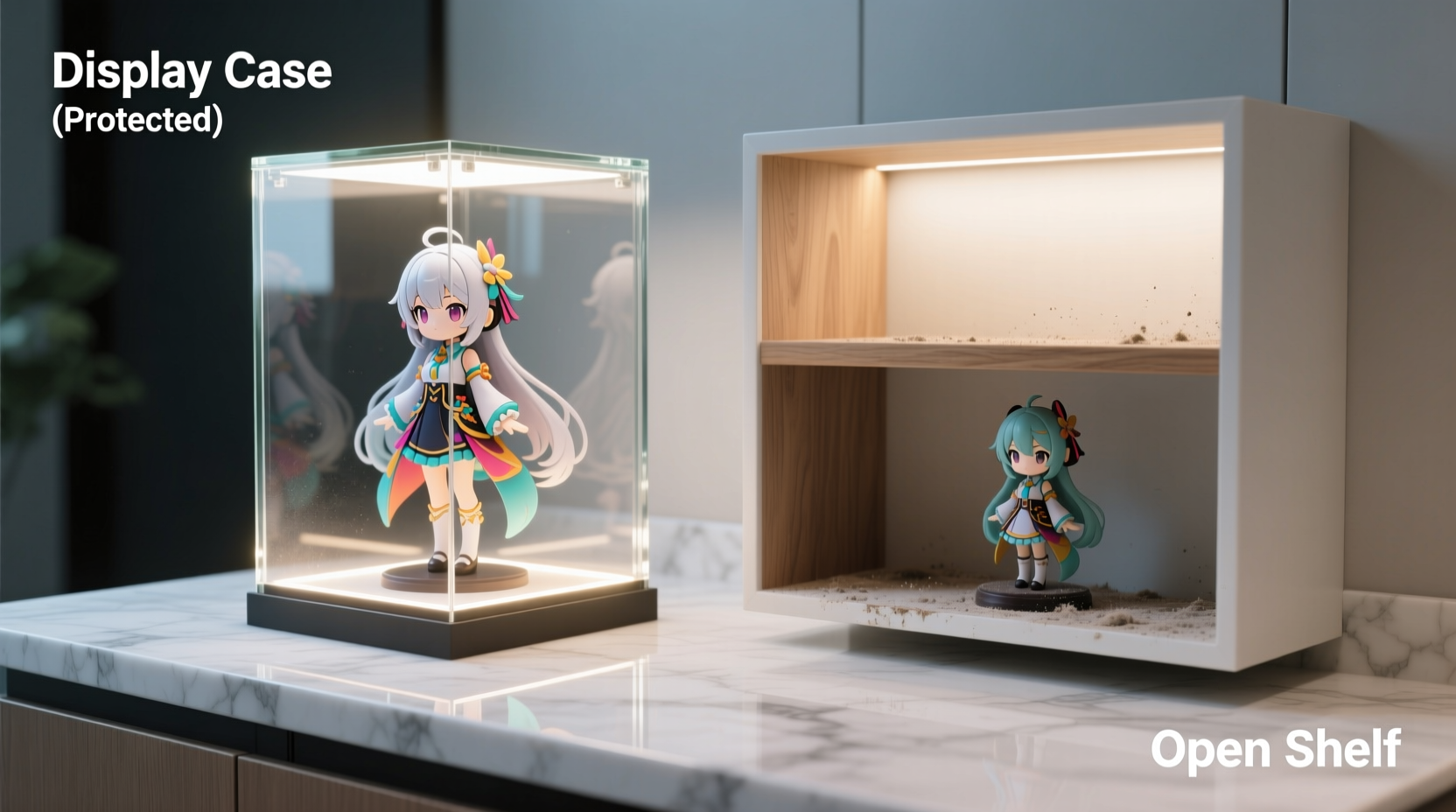
Anime figures are typically made from PVC, ABS plastic, or resin—materials sensitive to environmental stressors. While they’re designed to last, prolonged exposure to certain elements accelerates wear and diminishes value.
- Dust accumulation: Fine particles settle on surfaces, requiring frequent cleaning that risks scratches or paint chipping.
- UV radiation: Sunlight and strong indoor lighting cause fading, especially on vibrant colors and translucent parts.
- Physical impact: Accidental bumps from pets, children, or daily movement can knock over fragile figures.
- Humidity and temperature: High moisture promotes mold; rapid temperature shifts may cause material warping.
- Finger oils: Handling without gloves transfers skin oils, leading to dullness or discoloration over time.
Each of these factors influences how you should store and present your collection. Open shelves offer accessibility and visual appeal, while display cases prioritize defense against degradation. But which truly offers superior protection?
Display Cases: Enclosed Security for Long-Term Preservation
Enclosed display cases act as a physical barrier between your figures and the outside environment. Typically constructed from wood, metal, or acrylic frames with glass or polycarbonate doors, these units create a controlled microclimate ideal for delicate collectibles.
The primary advantage lies in dust mitigation. A sealed case drastically reduces airborne particle infiltration, minimizing the need for frequent handling. Some high-end models even include gasket seals or anti-static lining to further reduce contamination.
UV-protective glazing is another critical feature. Many modern display cases use low-iron tempered glass with UV-filtering coatings that block up to 99% of harmful rays. This prevents color fading and keeps paint jobs looking factory-fresh for years.
“Collectors who use UV-protected enclosures report significantly less pigment degradation, even after a decade of display.” — Dr. Lena Park, Material Conservation Specialist at Tokyo Collectibles Institute
Security extends beyond environmental threats. Lockable doors prevent unauthorized access, making display cases ideal for rare or high-value pieces. Additionally, vertical stacking options allow for space-efficient organization without sacrificing visibility.
Open Shelves: Visibility Over Protection
Open shelving prioritizes visual impact. Without barriers, every angle of a figure is visible, allowing dramatic lighting setups and easy repositioning. Many collectors favor this style for its gallery-like presentation and sense of accessibility.
However, this openness comes at a cost. Dust settles rapidly, often requiring weekly wiping. Even soft cloths can abrade fine details if used improperly. A single sneeze or nearby door slam can send shockwaves through lightweight figures, potentially toppling them.
Lighting becomes a double-edged sword. While LED strips enhance depth and drama, improper placement exposes figures to direct light, accelerating UV damage. Unlike enclosed cases, there’s no way to filter or contain radiation once the bulbs are on.
Moreover, open shelves increase vulnerability to accidents. Children, pets, or even enthusiastic guests can easily brush against a shelf during conversation. Resin figures with thin support rods—common in action poses—are particularly prone to snapping under minor pressure.
That said, open shelves aren’t inherently flawed. For casual collectors or those rotating displays frequently, the trade-off in protection may be acceptable. The key is implementing mitigating strategies like strategic placement and strict no-touch policies.
Comparative Analysis: Display Case vs Open Shelf
| Factor | Display Case | Open Shelf |
|---|---|---|
| Dust Protection | Excellent (sealed environment) | Poor (constant exposure) |
| UV Resistance | High (with UV-filtering glass) | Low (unless room is dark) |
| Impact Risk | Low (protected by enclosure) | High (direct access) |
| Cleaning Frequency | Monthly or less | Weekly or more |
| Visibility & Aesthetics | Good (360° view possible) | Excellent (unobstructed sightlines) |
| Cost | Moderate to high | Low to moderate |
| Customization Flexibility | Moderate (fixed interior layout) | High (easy rearrangement) |
The data shows a clear trend: display cases outperform open shelves in nearly every protective category. However, open shelves win in flexibility and immediate visual appeal. Your choice depends on whether your priority is preservation or presentation.
Real Collector Scenario: Two Approaches, One Collection
Takashi, a collector from Osaka with over 120 figures spanning 15 years, initially used open floating shelves in his living room. He loved how the backlighting highlighted dynamic poses from his favorite series. Within three years, however, he noticed fading on red and yellow costumes, especially on figures near the window. One evening, his cat jumped onto a shelf, knocking over a limited-edition Fate/stay night Saber statue—shattering the spear and base.
After the incident, Takashi invested in a modular glass display cabinet for his prized items. He kept a few durable, mass-produced figures on open shelves for rotation but moved all limited editions, resin kits, and glow-in-the-dark pieces into the case. Five years later, the protected figures show minimal aging, while the open-shelf ones require touch-ups due to dust abrasion and light exposure.
His experience illustrates a hybrid approach: using both systems strategically based on figure value and fragility.
Action Plan: How to Maximize Protection Regardless of Setup
Whether you choose a display case or open shelf, proactive measures can extend your figures’ lifespan. Follow this step-by-step guide to optimize your setup:
- Assess figure value and fragility: Categorize your collection by rarity, material, and sentimental worth. Prioritize protection for high-value or delicate pieces.
- Choose location wisely: Avoid placing shelves near windows, heaters, or high-traffic areas. North-facing walls receive less direct sunlight.
- Install indirect LED lighting: Use warm-white LEDs mounted above or below shelves. Never shine lights directly onto figures.
- Use anti-tip hardware: Secure shelves to wall studs to prevent tipping. For display cases, ensure doors latch securely.
- Establish a cleaning routine: Wipe figures monthly with microfiber cloths. For cases, clean interior surfaces quarterly to prevent dust buildup inside.
- Rotate displays seasonally: Limit continuous exposure by swapping figures in and out of protected storage.
- Monitor humidity: Keep relative humidity between 40–50%. Use silica gel packs inside cases if needed.
Hybrid Strategy Checklist
Many serious collectors adopt a tiered approach. Use this checklist to implement a balanced system:
- ✅ Store rare, limited, or resin figures in UV-protected display cases
- ✅ Use open shelves for common, durable PVC figures intended for rotation
- ✅ Label or tag figures to track display duration and exposure history
- ✅ Install air purifiers nearby to reduce airborne dust
- ✅ Take annual photos to monitor signs of fading or deterioration
- ✅ Keep spare parts and original packaging stored separately in a dry closet
Frequently Asked Questions
Can I convert an open shelf into a semi-enclosed display?
Yes. Acrylic side panels or back-mounted plexiglass shields can reduce dust and UV exposure while maintaining visibility. These DIY modifications offer a middle ground for budget-conscious collectors.
Do display cases cause condensation or trapping moisture?
In most climates, modern cases with ventilation gaps or breathable materials do not trap moisture. However, in humid regions, adding desiccant packs or ensuring room airflow prevents condensation. Avoid sealing figures in plastic without climate control.
Are acrylic display cases as good as glass?
Acrylic is lighter and shatter-resistant but scratches more easily than glass. For homes with children or pets, acrylic offers safety benefits. For maximum clarity and scratch resistance, tempered glass with UV coating is superior.
Final Recommendation: Match Method to Collection Goals
If your primary goal is long-term preservation, especially for limited editions or investment-grade figures, a display case is the superior choice. It provides comprehensive protection against the most common forms of degradation: dust, light, and physical contact. The initial cost is offset by reduced maintenance and longer-lasting condition.
Open shelves serve best for casual collectors or those who enjoy frequently rearranging their displays. They offer unmatched visual freedom but demand consistent upkeep and carry higher risk. To minimize damage, limit open display to durable, replaceable figures and avoid placing them in high-risk zones.
Ultimately, the smartest approach combines both. Use display cases as the default for valuable pieces and reserve open shelves for temporary exhibitions or lower-priority items. This hybrid model gives you the best of both worlds: security where it matters, and flexibility where it doesn’t.
“Think of your display method as insurance. The more irreplaceable the figure, the stronger the protection should be.” — Hiroshi Tanaka, Founder of Japan Figure Archive
Take Action Today
Your anime figures represent more than fandom—they’re art, memory, and craftsmanship. Don’t let preventable damage diminish their beauty. Evaluate your current display setup. Identify which figures are most vulnerable and consider upgrading their housing. Whether you invest in a full glass case or retrofit your shelves with protective barriers, every step toward better preservation pays off in longevity and pride. Start today: your future self will thank you when your collection still looks pristine years from now.




 浙公网安备
33010002000092号
浙公网安备
33010002000092号 浙B2-20120091-4
Comments
No comments yet. Why don't you start the discussion?