
For anime collectors, displaying figures is about more than just storage—it’s a celebration of art, fandom, and investment. Whether you’ve spent years curating rare limited editions or are building your first lineup of favorites, how you present your figures impacts both their visual appeal and long-term condition. The central dilemma? Should you encase them in protective display cases or let them breathe on open shelves? Each approach has distinct advantages and trade-offs when it comes to preserving value, minimizing damage, and maximizing aesthetic impact.
The answer isn’t one-size-fits-all. It depends on your environment, budget, collection size, and personal priorities. Some collectors treat their figures like museum artifacts; others want an immersive, dynamic display that feels alive. Understanding the functional and emotional dimensions of each option allows you to make informed decisions that align with your goals as a collector.
Understanding the Risks: What Threatens Your Figures?
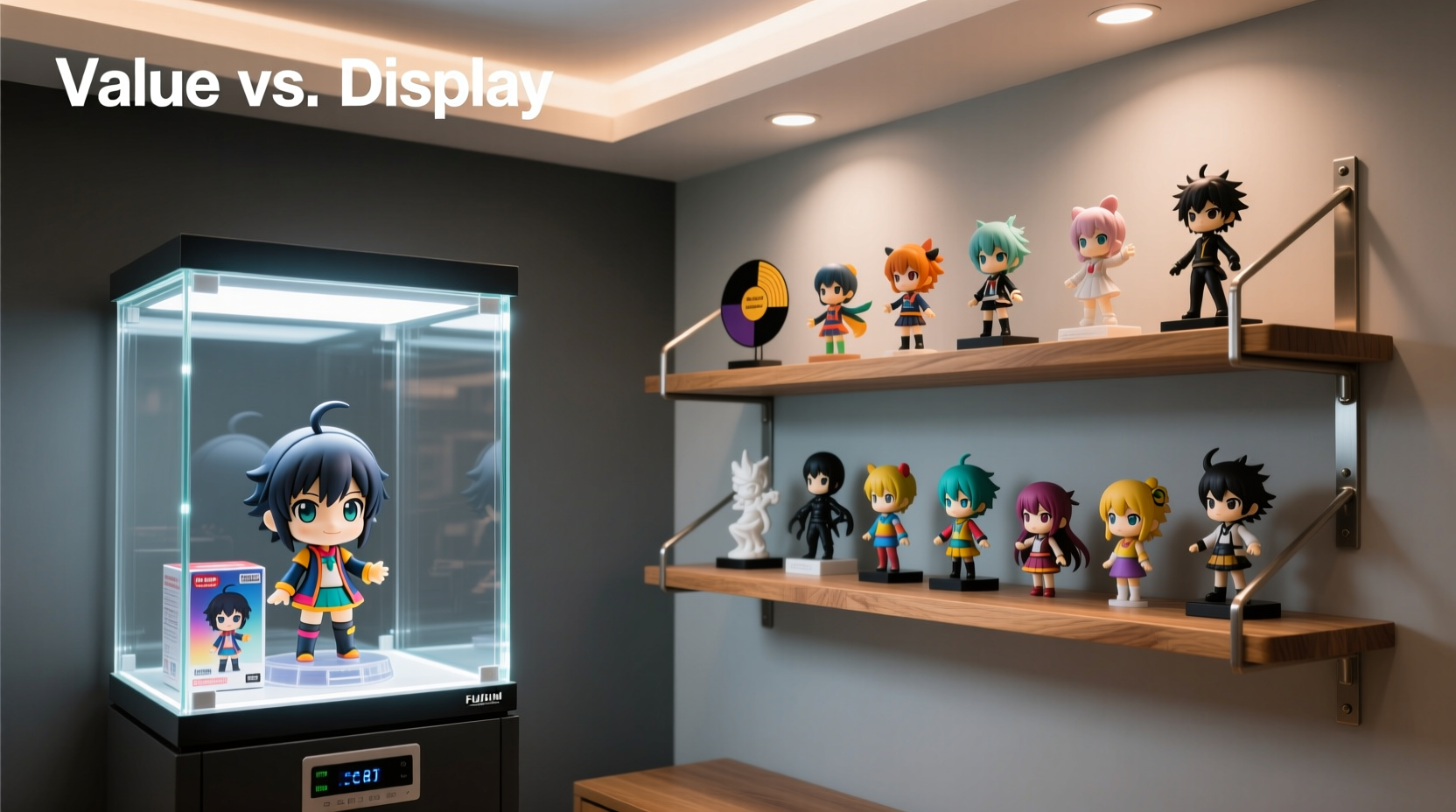
Before choosing between closed cases and open shelving, it’s essential to recognize what can degrade or damage anime figures over time. Most are made from polyvinyl chloride (PVC), polystone, or ABS plastic—materials sensitive to environmental factors and physical contact.
- Dust accumulation: Fine particles settle into crevices, dulling paint and requiring frequent cleaning.
- UV exposure: Sunlight causes fading, yellowing, and material degradation, especially in lighter-colored plastics.
- Physical impact: Accidental bumps or falls can break delicate parts like hands, weapons, or hairpieces.
- Humidity and temperature shifts: Can lead to warping, condensation inside sealed units, or mold growth in extreme cases.
- Finger oils and smudges: Handling without gloves transfers skin oils, which may corrode paint finishes over time.
Open shelves expose figures directly to these risks. Display cases act as a barrier—but they aren’t foolproof. Poorly ventilated cases can trap moisture, and low-quality acrylics may scratch easily or discolor under prolonged light exposure.
Display Cases: Protection First, Aesthetics Second
Enclosed display cases are designed for preservation. Typically made from acrylic, tempered glass, or polycarbonate, they create a micro-environment around your figures, shielding them from dust, curious hands, and airborne contaminants.
High-end models include features such as UV-filtering panels, anti-static interiors, soft-close doors, and even climate control options. These are ideal for collectors who own high-value items—such as Nendoroids, exclusive resin kits, or retired editions—that could lose significant monetary or sentimental worth if damaged.
One major benefit is reduced maintenance. With a sealed case, you might only need to clean the exterior every few months rather than wiping down individual figures weekly. This makes display cases especially appealing for large collections where upkeep becomes overwhelming.
However, there are drawbacks. Acrylic cases can develop static, attracting dust on the inside. Poor ventilation leads to trapped humidity, which over time may encourage mildew or sticker residue breakdown. Additionally, reflections from lighting can obscure visibility, diminishing the viewing experience unless carefully managed.
“From a conservation standpoint, limiting exposure to particulates and light is critical. For serious collectors, a well-ventilated, UV-protected case adds years to a figure’s pristine condition.” — Dr. Kenji Tanaka, Material Preservation Specialist at Tokyo Collectibles Institute
Open Shelves: Maximum Visibility, Higher Maintenance
Open shelving prioritizes accessibility and visual drama. Without barriers, figures become part of the room’s atmosphere—inviting interaction, photography, and easy rotation. Many fans prefer this setup because it fosters a sense of immersion, turning a shelf into a storytelling space where characters interact across series and timelines.
Shelving systems range from minimalist floating ledges to elaborate multi-tiered units with integrated LED lighting. Materials include wood, metal, and engineered composites, offering flexibility in design. You can rearrange figures freely, spotlight key pieces, or theme entire sections by franchise, color, or pose.
But freedom comes at a cost. Open displays require regular cleaning—often weekly—to prevent dust buildup. Even minor vibrations from foot traffic or nearby appliances can nudge figures off balance. And in homes with pets or children, the risk of accidental damage increases significantly.
That said, modern accessories help mitigate some downsides. Clear acrylic risers, non-slip pads, and microfiber-lined shelves improve stability. Strategic placement away from high-traffic zones reduces disturbance. And smart lighting setups enhance presence without generating excess heat.
Comparing Options: A Practical Breakdown
To clarify the differences, here’s a detailed comparison of display cases versus open shelves across key criteria:
| Criteria | Display Cases | Open Shelves |
|---|---|---|
| Dust Protection | Excellent – sealed environment minimizes particle buildup | Poor – constant exposure requires frequent cleaning |
| UV Light Resistance | Good to excellent – especially with UV-filtered materials | None – figures fully exposed unless room is shaded |
| Physical Safety | High – protects against bumps, spills, and handling | Low – vulnerable to accidents and tampering |
| Maintenance Effort | Low – occasional exterior wipe-downs needed | High – weekly dusting and inspection recommended |
| Aesthetic Flexibility | Limited – fixed layout, potential glare/reflections | High – easy reconfiguration and dynamic staging |
| Cost (per unit space) | Higher – quality cases are expensive upfront | Lower – basic shelves are affordable and scalable |
| Suitability for Valuable Items | Ideal – best for preserving resale and collector value | Risky – not recommended for irreplaceable figures |
Hybrid Strategy: Best of Both Worlds
Many experienced collectors don’t choose one method exclusively—they blend both. A hybrid approach allows you to showcase your most photogenic or frequently changed figures openly while keeping rare, expensive, or fragile pieces in protective cases.
For example, a collector might place everyday Nendoroids and scale figures on illuminated open shelves for maximum visual impact, while reserving a dedicated glass cabinet for limited-run exclusives or mint-condition box sets. This balances emotional enjoyment with practical preservation.
Another variation involves using partial covers—such as removable acrylic hoods or front-facing shields—on select open shelves. These provide localized protection without fully enclosing the display, maintaining openness while reducing dust intake.
Step-by-Step: Building a Balanced Display System
- Assess your collection: Categorize figures by value, fragility, and frequency of rotation.
- Identify display zones: Designate areas for “showpiece” figures (open) and “preservation” figures (cased).
- Select appropriate furniture: Invest in sturdy, adjustable shelving and at least one high-quality display cabinet with UV protection.
- Install proper lighting: Use warm-white LEDs with low heat output; avoid halogen or incandescent bulbs.
- Implement protective measures: Apply anti-dust sprays (tested on inconspicuous areas first), use non-slip pads, and install shelf guards if needed.
- Maintain a schedule: Wipe open figures weekly, inspect cases monthly, and deep-clean annually.
Real Collector Example: Balancing Pride and Preservation
Taylor M., a longtime One Piece and Ghost in the Shell enthusiast from Vancouver, owns over 120 figures spanning a decade of collecting. Early on, Taylor displayed everything on open floating shelves. While visually impressive, the collection suffered—dust dulled paint details, and two figures were knocked over during a housewarming party.
After researching preservation methods, Taylor invested in a modular glass display case for the centerpiece items: a S.H. Figuarts Major Motoko Kusanagi prototype and a Banpresto EX World Figure of Luffy in his Gear 5 form. The rest remain on open shelves but are now arranged with spacing for airflow and protected by a ceiling-mounted acrylic canopy that deflects dust without blocking views.
“I didn’t want my collection to feel locked away,” Taylor explains. “But I also didn’t want to risk losing something I can’t replace. The case gives me peace of mind, and the open section keeps the room feeling vibrant.”
Checklist: Choosing the Right Setup for You
- ☐ Evaluate the market value and rarity of your top 5 figures.
- ☐ Measure available wall or floor space for potential installations.
- ☐ Test your room’s light levels—use a UV meter app to check for harmful exposure.
- ☐ Set a budget for display solutions (cases typically start at $150+ for mid-size units).
- ☐ Decide whether ease of access or long-term protection matters more to you.
- ☐ Plan for future expansion—will your system accommodate new additions?
- ☐ Research brands known for quality (e.g., Riser, Kuma Case, Galleria, or custom acrylic shops).
Frequently Asked Questions
Can I convert open shelves into a semi-enclosed display?
Yes. Many collectors add side panels or rear acrylic sheets to existing shelves. Removable front doors or magnetic dust covers are also available as aftermarket upgrades. Just ensure adequate ventilation to prevent moisture buildup.
Do display cases reduce the “fan experience” of owning figures?
Some feel that cases create distance, but modern designs prioritize clarity and minimal framing. With thoughtful lighting and arrangement, a well-curated case can be just as engaging as an open shelf—while offering greater longevity.
How often should I clean figures in display cases?
Even sealed cases need attention. Clean the interior every 6–12 months using compressed air and a microfiber cloth. Avoid chemical cleaners unless specified safe by the manufacturer. Exterior glass or acrylic should be wiped monthly to prevent haze.
Final Thoughts: Value Is More Than Monetary
Protecting your anime figures isn’t just about maintaining resale potential—it’s about honoring the craftsmanship, emotion, and memories tied to each piece. Whether you opt for full enclosure or bold openness, the goal is sustainability: enjoying your collection today while ensuring it remains intact for years to come.
The most effective displays reflect both care and passion. They protect what matters without hiding it away. By understanding the strengths and limitations of display cases and open shelves, you gain the power to design a system that serves your lifestyle, environment, and collecting philosophy.




 浙公网安备
33010002000092号
浙公网安备
33010002000092号 浙B2-20120091-4
Comments
No comments yet. Why don't you start the discussion?