
For anime collectors, displaying figures isn't just about aesthetics—it's a form of storytelling, pride, and preservation. Whether you own limited-edition PVC statues or mass-produced figurines, how you display them directly impacts their longevity. One of the most persistent challenges? Dust. Over time, even a thin layer can degrade paint finishes, obscure fine details, and diminish resale value. The debate between using a display case versus an open shelf is central to any collector’s strategy. While both options have merits, one clearly outperforms the other when it comes to protecting collectibles from environmental contaminants like dust.
Why Dust Is a Collector’s Silent Enemy
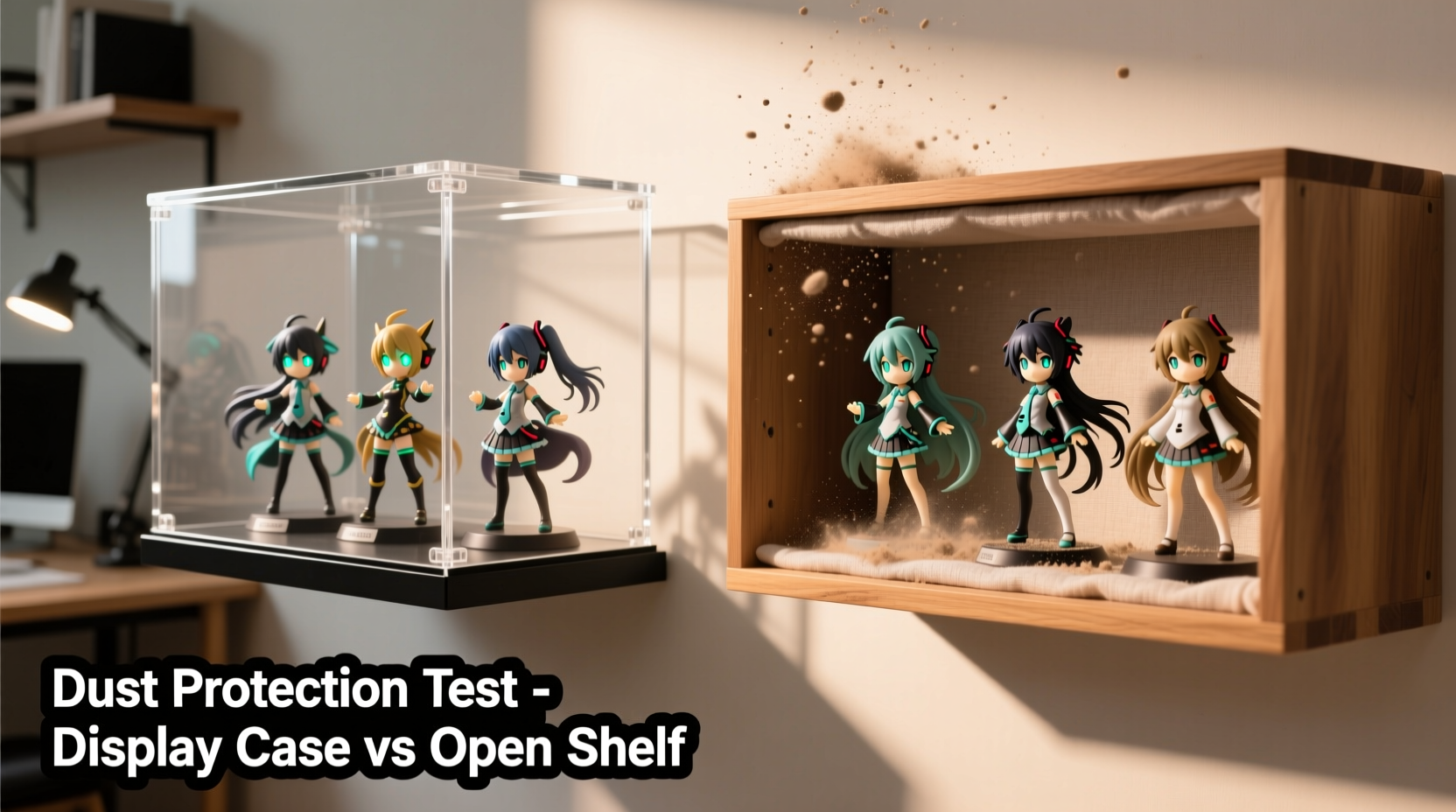
Dust may seem harmless, but for anime figures made of delicate resins, plastics, and painted surfaces, it poses real risks. Dust particles are abrasive and often carry moisture, oils, and pollutants. When left unchecked, they can:
- Scratch glossy finishes during cleaning attempts
- Attract humidity, promoting mold or discoloration in humid climates
- Clog intricate sculpted areas, making restoration difficult
- Reduce visual appeal, especially under lighting
Even infrequent handling increases exposure. A study by the Japanese Collectible Preservation Society found that unpreserved figures accumulated up to 30% more surface degradation over five years compared to those kept in enclosed environments.
“Dust isn’t just cosmetic—it’s cumulative damage. Enclosed cases reduce particulate exposure by over 90%.” — Dr. Kenji Sato, Conservation Scientist, Tokyo Museum of Pop Culture
Display Case vs Open Shelf: A Direct Comparison
The choice between a display case and an open shelf hinges on protection, visibility, maintenance, and cost. Below is a detailed breakdown of how each performs in key areas relevant to dust protection.
| Feature | Display Case | Open Shelf |
|---|---|---|
| Dust Protection | Excellent – Sealed or semi-sealed design blocks airborne particles | Poor – Fully exposed to ambient air and settling dust |
| Visibility & Aesthetics | High – Clear acrylic or glass offers unobstructed views; enhances lighting effects | High – Full 360° access and natural interaction with room light |
| Maintenance Frequency | Low – Wipe exterior monthly; interior cleaning every 6–12 months | High – Requires weekly dusting to prevent buildup |
| Handling Risk | Low – Figures remain untouched; reduces fingerprints and drops | High – Frequent contact during cleaning increases accident risk |
| Vulnerability to Accidents | Medium – Protected from pets/kids but can break if case is knocked | High – Easily knocked over during daily activity |
| Cost & Accessibility | Higher initial investment; requires space planning | Affordable and easy to set up |
While open shelves offer immediate visual impact and lower upfront costs, they demand significantly more upkeep to maintain figure condition. Display cases, though pricier, act as long-term protective barriers—especially valuable for rare or high-value pieces.
How Display Cases Outperform Shelves in Dust Defense
Enclosed display cases create a microenvironment around your figures. Most modern cases use tempered glass or acrylic panels with tight seals or magnetic closures, minimizing airflow while maximizing visibility.
High-end models include features like UV-filtering glass (to prevent paint fading), anti-static interiors (to repel dust), and desiccant compartments (to control humidity). These elements work together to slow deterioration far beyond what open shelves can achieve.
In contrast, open shelves expose figures to continuous air circulation. Even in clean homes, microscopic dust from clothing fibers, skin cells, and outdoor pollutants settles within hours. A single week without dusting can result in visible film accumulation, particularly on matte or textured surfaces.
Real-World Example: Two Collectors, Two Approaches
Takashi, a collector in Osaka, owns over 120 figures, including several exclusive Anime Expo exclusives. For years, he displayed them on floating wooden shelves in his living room. Despite weekly cleaning, he noticed chipping paint and hazy finishes after three years—especially on figures near the kitchen, where cooking smoke contributed to grime buildup.
After switching to modular acrylic display cases with soft-close doors, he reduced cleaning frequency by 75%. His figures retained their original luster, and accidental damage dropped to zero. “I didn’t realize how much dust was affecting my collection until I saw the difference,” he said.
Meanwhile, Mia in Vancouver prefers open shelving for its minimalist look. She rotates her display monthly, keeping only five figures visible at a time and storing the rest in climate-controlled cabinets. Her approach limits exposure but requires meticulous organization and constant rotation. While effective, it demands time and discipline most casual collectors lack.
This contrast shows that while open shelves can work, they require proactive management. Display cases offer passive protection—ideal for long-term preservation.
Step-by-Step: Choosing the Right Solution for Your Collection
Follow this timeline to determine the best display method based on your priorities:
- Assess Your Collection Size and Value (Week 1)
Catalog your figures. Identify limited editions, fragile pieces, or those with sentimental worth. High-value items benefit most from enclosures. - Evaluate Your Environment (Week 2)
Check room conditions: Is there heavy foot traffic? Do you have pets or smokers nearby? Rooms with high airflow or pollution levels favor closed cases. - Test Dust Accumulation (Week 3)
Place a dark-colored plate on your current shelf for 48 hours. If visible dust collects, your figures are at risk. Repeat near windows and vents to identify hotspots. - Budget Planning (Week 4)
Research display cases ($80–$500 depending on size and material) versus open shelves ($20–$100). Consider investing in cases for premium figures and shelves for frequently rotated or less valuable ones. - Hybrid Setup (Ongoing)
Combine both: Use display cases for prized or delicate figures and open shelves for robust, frequently changed displays. This balances protection and flexibility.
Checklist: Protecting Anime Figures from Dust
- ✅ Audit your collection: Label figures by value and fragility
- ✅ Measure available space: Ensure cases fit with ventilation clearance
- ✅ Choose low-static materials: Acrylic cases generate less static than plastic
- ✅ Install LED strip lighting inside cases: Reduces need to open frequently for viewing
- ✅ Clean hands before handling: Always wear cotton gloves when placing figures
- ✅ Use silica gel packs: Place inside cases to absorb moisture and inhibit mold
- ✅ Schedule deep cleans: Every 6 months for cases, every week for open shelves
Common Misconceptions About Dust Protection
Many collectors assume that occasional dusting is enough. However, frequent wiping—even with microfiber cloths—can cause micro-scratches over time. Others believe \"dust covers\" (like fabric sheets) are sufficient, but these trap moisture and restrict airflow, potentially causing more harm.
Another myth is that higher price equals better protection. Some expensive shelves come with no environmental safeguards, while budget-friendly cases with proper seals offer superior defense. Focus on function over form.
Frequently Asked Questions
Do display cases eliminate the need for cleaning?
No, but they drastically reduce it. Exterior surfaces still collect dust, and interior cleaning is needed every 6–12 months. However, the process is gentler and less frequent than with open shelves.
Can I modify an open shelf to reduce dust?
Limited modifications help. Adding a back panel or side baffles can reduce airflow, but they don’t seal the environment. For meaningful protection, consider retrofitting a custom acrylic cover or transitioning to a case system.
Are all display cases equally effective?
No. Look for tight seals, UV-resistant materials, and anti-reflective glass. Cheap cases with gaps or flimsy hinges offer minimal protection. Read reviews focusing on build quality and dust resistance.
Final Verdict: Which Offers Better Dust Protection?
The evidence is clear: display cases provide superior protection against dust compared to open shelves. They create a controlled environment that minimizes exposure, reduces maintenance, and prevents accidental damage. While open shelves offer aesthetic freedom and easier access, they require constant vigilance to keep figures in pristine condition.
For collectors serious about preserving their anime figures—especially rare, expensive, or emotionally significant pieces—a display case is not just a luxury; it’s a necessity. The initial investment pays off in preserved detail, maintained resale value, and peace of mind.
If you’re committed to long-term preservation, prioritize enclosed cases for your core collection. Use open shelves selectively for rotating displays or durable figures. This hybrid model balances beauty and practicality without compromising care.




 浙公网安备
33010002000092号
浙公网安备
33010002000092号 浙B2-20120091-4
Comments
No comments yet. Why don't you start the discussion?