
Anime figures are more than collectibles—they're expressions of passion, artistry, and fandom. Whether displayed proudly on a shelf or stored carefully in a glass case, these figures often represent years of dedication and investment. Yet, no matter how well they're cared for, many collectors eventually face the same frustrating issue: yellowing. Over time, once-vibrant white plastics fade into an unsightly yellow hue, dulling details and diminishing visual appeal. This degradation isn't inevitable, nor is it irreversible. Understanding the science behind yellowing, taking preventive measures, and knowing how to restore affected figures can preserve their beauty for decades.
Why Do Anime Figures Yellow?
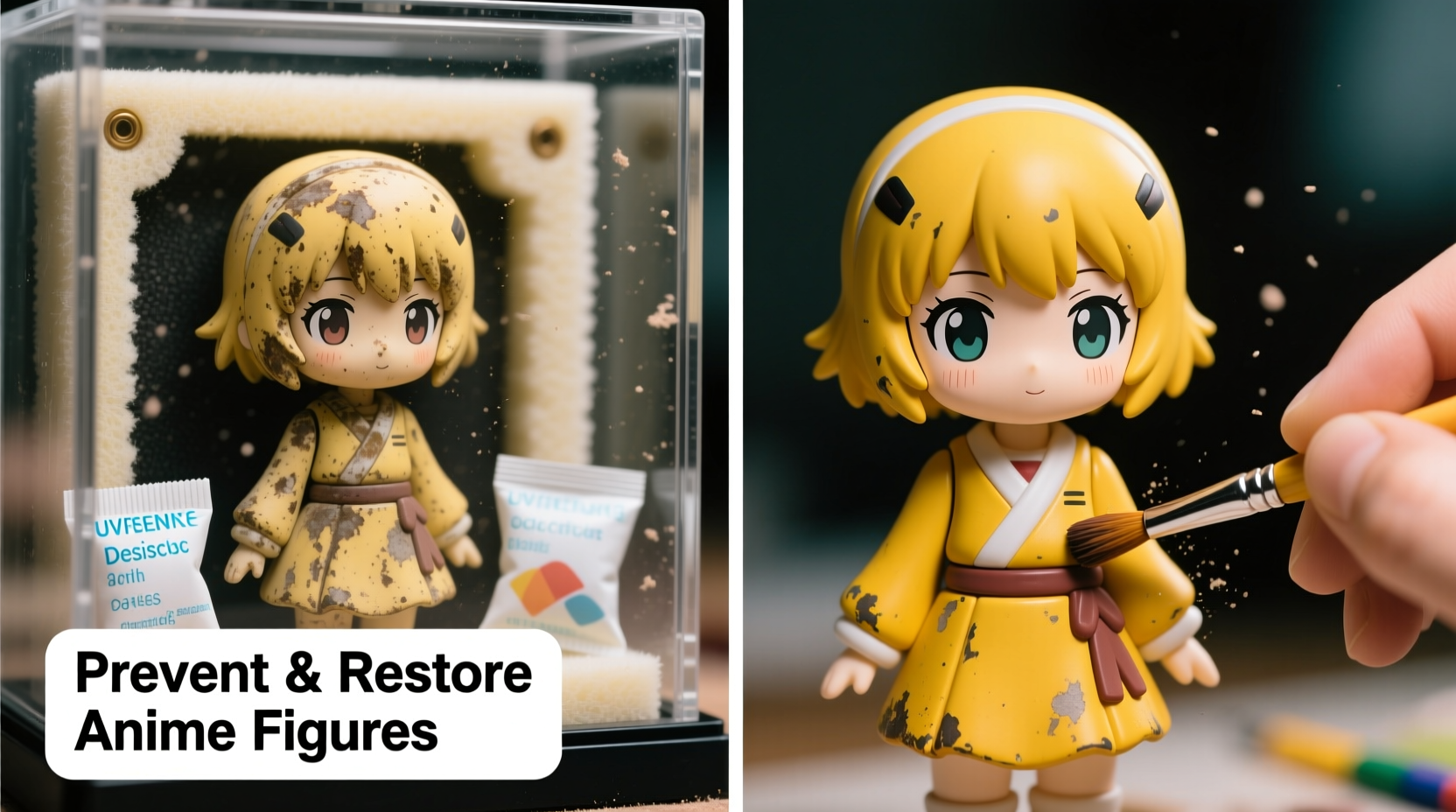
The primary culprit behind figure yellowing is the chemical breakdown of plastic materials, especially acrylonitrile butadiene styrene (ABS) and polyvinyl chloride (PVC). These materials are widely used in figure manufacturing due to their durability and ability to hold fine detail. However, both are vulnerable to environmental stressors that trigger oxidation and UV degradation.
When exposed to ultraviolet (UV) light—particularly from sunlight or fluorescent bulbs—the molecular structure of the plastic begins to break down. UV radiation excites electrons in the polymer chains, leading to bond cleavage and the formation of chromophores, which absorb visible light and give the plastic a yellow tint. Heat accelerates this process by increasing molecular activity, while humidity can promote mold growth and surface staining.
Another factor is flame retardants. Many older or lower-cost figures contain brominated flame retardants added during production for safety compliance. Over time, these chemicals migrate to the surface and react with light and oxygen, causing pronounced yellowing—especially in white or light-colored parts.
“Plastic yellowing is not just cosmetic—it’s a sign of material fatigue. Once it starts, the structural integrity of the figure can gradually weaken.” — Dr. Lena Park, Polymer Conservation Specialist, Kyoto Materials Institute
How to Prevent Yellowing: Best Practices for Long-Term Preservation
Prevention is far more effective than restoration. Taking proactive steps significantly delays or even eliminates yellowing, keeping your figures looking showroom-fresh.
Avoid UV Light Exposure
Sunlight contains high levels of UV-A and UV-B radiation, both of which degrade plastic polymers. Even indirect sunlight streaming through a window can cause damage over months. Similarly, LED and fluorescent lights emit small amounts of UV radiation. To minimize risk:
- Display figures in rooms without direct sunlight.
- Use UV-filtering glass or acrylic cases.
- Choose warm-white LEDs with low blue-light emission for display lighting.
Control Temperature and Humidity
High temperatures increase the rate of chemical reactions within plastic, accelerating yellowing. Likewise, excessive humidity fosters mold growth and sticker degradation. Ideal storage conditions are between 18–22°C (65–72°F) with relative humidity at 40–50%.
Avoid placing figures near radiators, heating vents, or electronics that generate heat. Use silica gel packs inside enclosed display cases to regulate moisture.
Use Protective Enclosures
Glass or acrylic display cases act as physical barriers against dust, UV light, and airborne pollutants. Choose cases with UV-protective coatings for maximum defense. Ensure proper ventilation to prevent condensation buildup.
Limit Handling and Air Pollutants
Oils from skin, cigarette smoke, and volatile organic compounds (VOCs) from cleaning products or paints can settle on surfaces and contribute to discoloration. Always handle figures with clean cotton gloves, and keep them away from kitchens, smoking areas, or freshly painted rooms.
Step-by-Step Guide to Restoring a Yellowed Figure
If your figure has already begun to yellow, don’t assume it’s beyond saving. With careful treatment, you can reverse much of the discoloration—especially if caught early. The most effective method is known as \"retrobrighting,\" a chemical process that removes yellowed layers using hydrogen peroxide and controlled UV exposure.
- Disassemble if possible: Remove interchangeable hands, weapons, or accessories. If the figure has glued parts, proceed with caution.
- Clean thoroughly: Wash the figure with mild dish soap and lukewarm water. Use a soft toothbrush to reach crevices. Rinse and dry completely.
- Prepare retrobright solution: Mix 3% hydrogen peroxide with a small amount of OxyClean or sodium percarbonate (ratio: 1 cup peroxide to 1 tablespoon cleaner). Stir until dissolved.
- Soak the figure: Submerge yellowed parts in a clear container filled with the solution. Cover with cling film to reduce evaporation.
- Apply UV light: Place the container under direct sunlight or a UV lamp. Sunlight works but is less consistent; a 365nm UV lamp offers better control.
- Monitor progress: Check every 30–60 minutes. Most results appear within 2–6 hours. Stop when desired whiteness is achieved.
- Rinse and dry: Thoroughly wash off all residue with water. Dry completely before reassembling.
Note: Retrobrighting only affects the surface layer and may need repeating over time. It does not stop future yellowing—preventive care remains essential after treatment.
Do’s and Don’ts: Table of Best Practices
| Do’s | Don’ts |
|---|---|
| Store in UV-protected display cases | Place figures in direct sunlight |
| Use silica gel to control humidity | Store in basements or attics with temperature swings |
| Clean gently with microfiber cloth | Wipe with alcohol-based cleaners |
| Handle with clean gloves | Touch painted surfaces with bare hands |
| Inspect figures quarterly for changes | Ignore early signs of yellowing or haze |
Real Collector Case: Reversing Years of Discoloration
Takeshi M., a collector from Osaka, noticed his prized 2015 Fate/stay night Saber figure had developed a noticeable yellow tint on the base and armor sections. Originally displayed near a south-facing window, the figure had been exposed to daily sunlight for nearly five years. Concerned about losing its value and aesthetic, Takeshi researched restoration methods and decided to attempt retrobrighting.
He disassembled the figure, cleaned each part, and prepared a hydrogen peroxide mix using pharmacy-grade 3% peroxide and OxyClean. He placed the yellowed pieces in a sealed container and set it under a 365nm UV lamp for four hours, checking progress hourly. After rinsing and drying, the white armor regained its original brightness, though some textured areas retained slight shadowing due to pigment depth.
Since then, Takeshi moved all his figures to a custom-built cabinet with UV-filtering glass and installed LED strips with adjustable color temperature. Two years later, none of his figures have shown new signs of yellowing.
Checklist: Protect Your Collection Today
- ✅ Relocate figures away from windows and bright lights
- ✅ Invest in UV-protective display cases
- ✅ Monitor room temperature and humidity regularly
- ✅ Clean figures every 3–6 months with a soft brush and damp cloth
- ✅ Apply retrobrighting only to non-painted, yellowed plastic parts
- ✅ Document your collection with photos to track changes over time
- ✅ Store spare parts and boxes in a cool, dark closet with desiccants
Frequently Asked Questions
Can I retrobrite a figure with paint or decals?
No. Hydrogen peroxide and UV exposure can lift paint, fade colors, or damage delicate decals. Retrobrighting should only be used on unpainted plastic components. For painted figures, focus on prevention rather than correction.
Will keeping my figure in the original box prevent yellowing?
Only partially. Cardboard boxes block light but often trap heat and moisture, creating a microclimate that promotes yellowing and mold. If storing in-box, place the box inside a sealed plastic container with silica gel, and keep it in a climate-controlled environment.
Are newer figures less prone to yellowing?
Some manufacturers now use UV-stabilized plastics and avoid brominated flame retardants, reducing yellowing risk. Premium brands like Good Smile Company and Alter have improved material quality, but no plastic is immune to long-term degradation without proper care.
Conclusion: Preserve the Art You Love
Yellowing doesn’t mean the end of a figure’s life—it’s a reminder that even synthetic materials age. But with informed care, collectors can dramatically extend the lifespan and beauty of their anime figures. From choosing the right display location to restoring faded pieces with precision, every action contributes to preserving these intricate works of art.
Your collection reflects your journey as a fan. Treat it not just as merchandise, but as legacy. Start today: inspect your display setup, remove sources of UV exposure, and document each figure’s condition. Small habits compound into lasting preservation. Share your restoration successes, ask questions in collector communities, and help others protect what they love.




 浙公网安备
33010002000092号
浙公网安备
33010002000092号 浙B2-20120091-4
Comments
No comments yet. Why don't you start the discussion?