
For anime enthusiasts, collecting figurines is more than a hobby—it's a celebration of art, character, and storytelling. But as collections grow, so does the challenge: how to showcase your favorite pieces without turning your shelves into chaotic displays. The key lies not in reducing your collection, but in reimagining how you present it. With thoughtful planning, strategic placement, and smart organizational techniques, you can create a display that highlights each figure while preserving clean lines and open space.
This guide explores practical, aesthetically pleasing ways to maximize shelf real estate without sacrificing visual impact. Whether you’re working with a single bookshelf or an entire wall unit, these ideas help you maintain order, enhance visibility, and elevate the overall presentation of your anime collection.
Optimize Vertical Space with Tiered Shelving
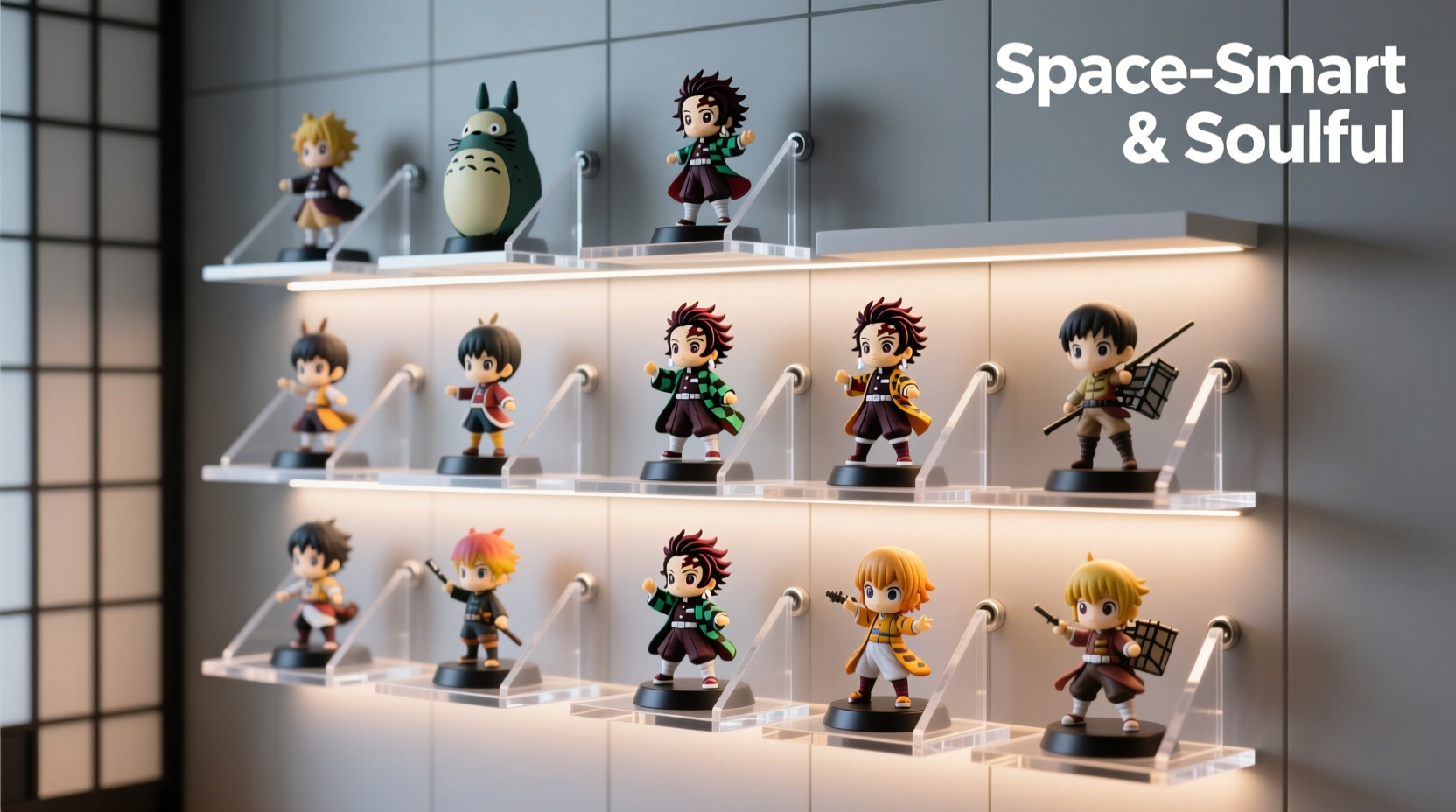
One of the most effective ways to increase display capacity without spreading outward is to go upward. Standard flat shelves limit you to one layer of figures per level, often leaving valuable vertical inches unused. Tiered shelving solutions allow multiple rows of figurines on a single shelf, creating depth and dimension without crowding.
Consider installing staggered acrylic risers or small stepped platforms within your existing shelves. These let you place smaller figures in front and taller ones behind, ensuring every piece remains visible. This method works especially well for series like My Hero Academia or Attack on Titan, where characters vary significantly in height and pose dynamics.
Tiering also encourages intentional grouping. Instead of scattering similar characters across different shelves, you can cluster them by series, theme, or color palette on multi-level platforms. This creates mini-scenes that tell a story while conserving horizontal space.
Create Zones by Theme or Series
A common cause of visual clutter isn’t the number of figurines, but how they’re arranged. When figures from unrelated series mix haphazardly, the eye struggles to focus, making even a modest collection appear overwhelming. The solution? Organize your display into clearly defined zones.
Divide your shelf space into thematic sections—such as “Shonen Heroes,” “Magical Girls,” or “Studio Ghibli Classics.” Within each zone, keep the arrangement cohesive through consistent background colors, matching base materials, or unified lighting. This segmentation reduces cognitive load and makes the display easier to navigate visually.
For example, dedicate one shelf to *Demon Slayer* characters, using dark wood-toned bases and dim red accent lighting to evoke the show’s atmosphere. On the next shelf, switch to soft pastels and natural light tones for a *Sailor Moon* setup. These distinctions prevent visual competition between figures and make each group stand out.
“Curated zoning transforms a random assortment into a narrative gallery. It’s not just storage—it’s storytelling.” — Hiro Tanaka, Display Designer & Anime Collector
How to Implement Zoning Effectively
- Inventory your collection: Group figurines by series, character type, or personal significance.
- Assign shelf segments: Allocate specific areas based on frequency of rotation or sentimental value.
- Use dividers or frames: Subtle physical breaks (like small wooden separators) reinforce zone boundaries without adding bulk.
- Label discreetly: Tiny engraved tags or hidden QR codes can identify zones without disrupting aesthetics.
Rotate Your Collection Seasonally
Not every figurine needs to be on display all the time. In fact, rotating your collection is one of the most underused yet powerful strategies for managing space and maintaining freshness. Think of your shelves as a curated exhibition rather than a permanent archive.
By rotating figures every few months—aligned with seasons, new anime releases, or personal milestones—you keep the display dynamic and give lesser-seen pieces their moment in the spotlight. This approach also reduces dust accumulation on inactive figures and minimizes visual fatigue from overexposure to the same lineup.
To implement rotation successfully, store off-display figurines in protective cases or padded drawers nearby. Label them clearly so retrieval is easy. Consider keeping a digital log (with photos and notes) to track which figures were last displayed and when they’ll return.
Sample Rotation Schedule
| Season | Theme | Featured Series | Storage Tip |
|---|---|---|---|
| Spring | Blossom & Renewal | Sakura from *Cardcaptor*, Hanabi from *Haikyuu!!* | Store action poses in upright bins |
| Summer | Vibrant Energy | Goku (SSJ forms), Deku mid-action | Use foam-lined boxes to protect dynamic poses |
| Fall | Mystery & Atmosphere | Levi in trench coat, Yato from *Noragami* | Wrap delicate cloaks in acid-free tissue |
| Winter | Festive & Calm | Christmas Misaka, Yukata Hinata | Keep near dehumidifier if stored long-term |
Incorporate Lighting and Mirrors Strategically
Lighting does more than illuminate—it expands perceived space. Well-placed LED strips or pin lights draw attention to individual figures while creating depth, making a compact shelf feel larger and more immersive. Similarly, mirrors used behind or beneath displays can double the visual presence of a figurine without doubling the physical footprint.
Install warm-white LED tape lights along shelf edges or under lip trim to cast a soft glow upward. Avoid harsh overhead lighting, which creates glare and shadows. For dramatic effect, use spotlights on centerpiece figures—like a limited-edition Levi Ackerman or a high-grade Nendoroid—but keep ambient lighting low to maintain contrast.
Mirrored back panels are particularly effective in narrow shelves or recessed cabinets. They reflect the front-facing details of your figures, giving the illusion of depth and making tight spaces feel open. Just ensure the mirror is non-tinted and cleaned regularly to avoid distorting colors.
“Reflections trick the brain into seeing more. A mirrored backdrop can make a 12-inch shelf feel like 18.” — Lena Cho, Interior Visual Consultant
Lighting Do’s and Don’ts
| Do | Don't |
|---|---|
| Use cool-to-neutral LEDs for accurate color rendering | Use colored bulbs that alter skin tones or costume details |
| Angle lights from below or side for shadow drama | Over-light the entire shelf—creates visual noise |
| Install motion-sensor LEDs for energy efficiency | Leave lights on 24/7—increases dust attraction and heat |
| Group lights by zone for independent control | Run exposed wires across glass surfaces |
Maximize Hidden Space and Dual-Purpose Furniture
When wall shelves fill up, look beyond traditional display areas. Many overlooked spaces can be repurposed for figurine storage and viewing. Glass-fronted cabinets, entertainment centers, and even under-bed drawers with transparent lids offer concealed yet accessible options.
Dual-purpose furniture is ideal for urban collectors with limited square footage. Coffee tables with lift-top lids, floating nightstands with interior lighting, or bookshelves integrated into room dividers allow you to display figures while serving everyday functions. These pieces keep your collection integrated into living spaces without dominating them.
For maximum stealth utility, consider a hallway console cabinet with mirrored doors. When closed, it blends into the decor; when opened, it reveals a fully lit, tiered interior perfect for showcasing 10–15 premium figures. This way, you preserve shelf space elsewhere for frequently rotated or sentimental pieces.
Mini Case Study: Compact Apartment Display Makeover
Rina, a freelance illustrator in Osaka, collected over 60 anime figures in five years but lived in a 400-square-foot studio. Her initial display—a crowded IKEA Kallax unit—felt chaotic and dusty. After consulting a display specialist, she restructured her space around three principles: verticality, zoning, and concealment.
She installed two-tier acrylic risers in each cube, allowing two levels of figures per cell. She grouped them by emotional tone—“Energetic Battles,” “Quiet Moments,” “Fantasy Worlds”—and added warm LED strips along the top edge. Finally, she replaced two cubes with hinged, glass-front doors to store seasonal and fragile items.
The result? A visually balanced, expandable system that held her entire collection without spilling into walkways. Visitors now comment on the “gallery-like” feel, and Rina finds herself curating with intention rather than stacking by availability.
Essential Checklist for Clutter-Free Display
Before finalizing your layout, run through this checklist to ensure functionality and longevity:
- ✅ All figures are securely anchored (using putty or embedded magnets)
- ✅ Each shelf has at least 1 inch of negative space around perimeter
- ✅ Lighting is adjustable and doesn’t generate excess heat
- ✅ Dust-resistant covers or enclosures are available for long-term protection
- ✅ Rotation schedule is documented and easy to follow
- ✅ No figure blocks another’s primary focal point (face, weapon, pose)
- ✅ Power sources are safely routed and not overloaded
Frequently Asked Questions
Can I display figurines in direct sunlight?
No. Prolonged exposure to UV rays causes plastic to yellow, paint to fade, and adhesives to weaken. Always place shelves away from windows or use UV-filtering glass covers to protect your collection.
How do I clean figurines without damaging them?
Use a soft microfiber cloth and compressed air to remove dust. For stains, lightly dampen a cotton swab with distilled water and gently dab affected areas. Never submerge PVC figures or use alcohol-based cleaners.
What’s the best way to store retired figurines?
Keep them in original boxes with silica gel packets inside a climate-controlled closet. If boxes aren’t available, use clear acrylic cases with foam padding to prevent scratches and warping.
Final Thoughts: Curate with Intention
A well-organized anime figurine display isn’t about hiding your passion—it’s about honoring it. Every figure represents a memory, a character you admire, or a moment in a story that moved you. By maximizing shelf space intelligently, you’re not just saving room; you’re creating a space where each piece can breathe, shine, and be appreciated.
Start small: reorganize one shelf using tiered platforms and themed grouping. Add lighting. Begin a rotation log. Over time, these habits compound into a display that feels expansive, intentional, and deeply personal. The goal isn’t minimalism for its own sake, but clarity—a way to celebrate your collection without letting it take over.




 浙公网安备
33010002000092号
浙公网安备
33010002000092号 浙B2-20120091-4
Comments
No comments yet. Why don't you start the discussion?