
For anime enthusiasts, collecting figurines is more than a hobby—it's a celebration of art, character, and storytelling. These intricately crafted pieces often represent significant investments, both emotionally and financially. However, over time, even the most cherished displays can suffer from two common enemies: dust accumulation and color fading. Left unchecked, these issues dull luster, degrade paint, and compromise the integrity of delicate materials like PVC, resin, and fabric elements. The good news is that with consistent, informed care, collectors can preserve their collections in near-mint condition for years. This guide outlines practical, science-backed methods to keep your anime figurines looking vibrant and clean, without compromising their aesthetic or structural quality.
Understanding the Threats: Dust and UV Exposure
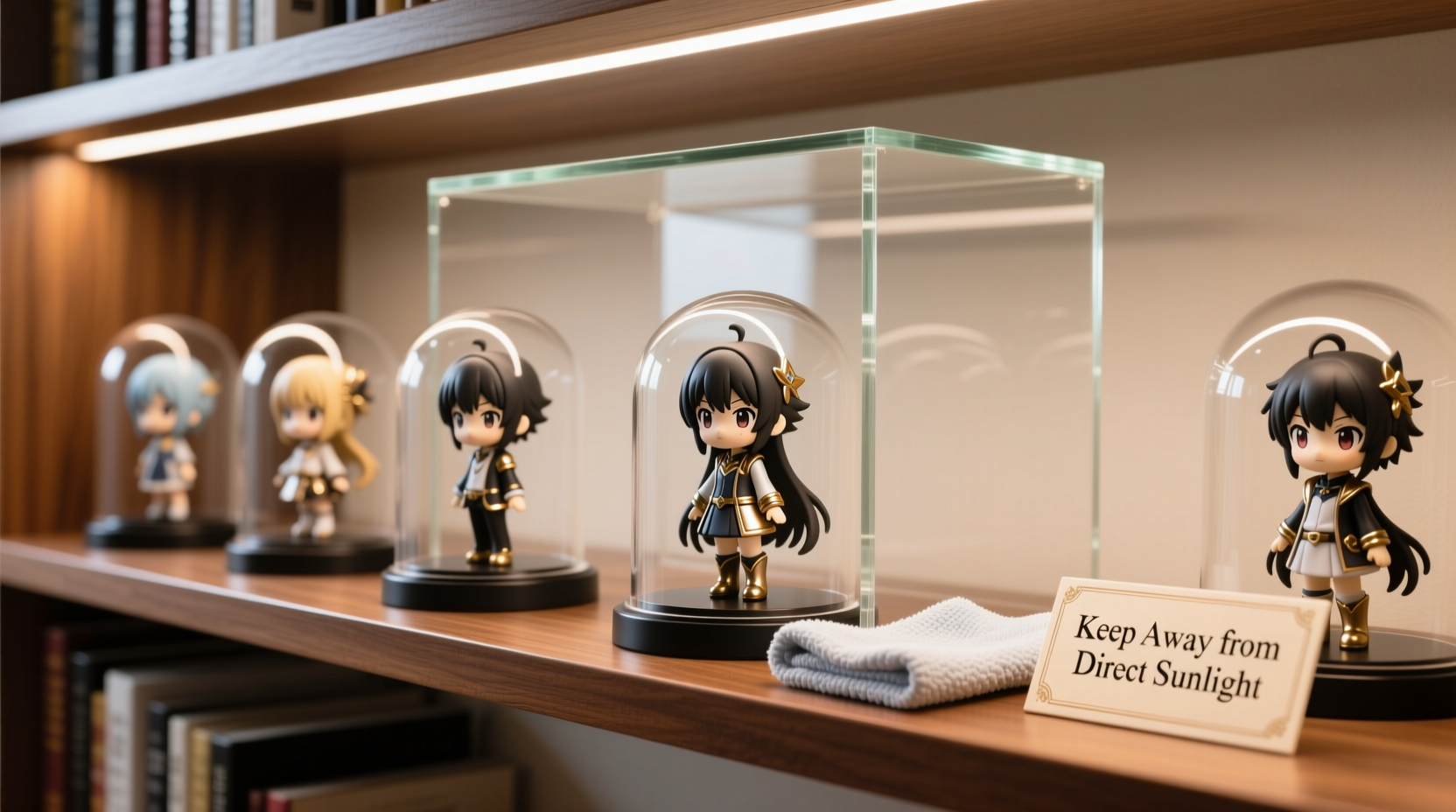
Dust may seem harmless, but it’s more than just visual clutter. It consists of microscopic particles—skin cells, textile fibers, pollen, and pollutants—that settle on surfaces and attract moisture. On figurines, dust not only obscures fine details but also acts as an abrasive when wiped improperly. Over time, repeated contact with dusty surfaces can scratch paint layers and erode sculpted textures.
Fading, meanwhile, is primarily caused by ultraviolet (UV) radiation. Sunlight and even bright artificial lighting emit UV rays that break down chemical bonds in pigments. Bright reds, purples, and metallic finishes are especially vulnerable. Prolonged exposure leads to color shifts, yellowing of clear parts, and loss of contrast in facial features and costumes. Combined, dust and light exposure create a slow but relentless degradation process that many collectors overlook until damage becomes irreversible.
“UV radiation is the silent killer of collectibles. A figurine exposed to direct sunlight for six months can show the same fading as one stored under LED lights for ten years.” — Dr. Hiroshi Tanaka, Materials Conservation Specialist at Kyoto Museum of Contemporary Pop Culture
Effective Display Strategies to Minimize Dust and Fading
The location and method of display play a decisive role in long-term preservation. A poorly placed shelf near a window might offer great visibility but accelerates deterioration. Conversely, a well-thought-out setup enhances both protection and presentation.
Choose Low-Light Display Areas
Avoid placing figurines in direct sunlight. South- and west-facing windows are particularly damaging due to prolonged afternoon sun. Instead, opt for interior rooms or north-facing walls where natural light is diffused. If natural light is unavoidable, install UV-filtering window film or use blackout curtains during peak daylight hours.
Use Enclosed Display Cases
Glass or acrylic display cabinets are among the most effective tools against dust and UV. Look for cases with tight seals and low-reflective, UV-protective glass. Acrylic options are lighter and less prone to shattering but require anti-static treatment to avoid attracting dust. Ensure the case has enough internal space to allow airflow and prevent condensation, which can lead to mold on fabric accessories or glued joints.
Control Light Sources
If you use internal lighting, choose warm-white LEDs with a color temperature below 3000K and minimal UV output. Avoid halogen or incandescent bulbs—they generate heat and emit higher levels of infrared and UV radiation. Set lights on timers or motion sensors to limit daily exposure to no more than 4–6 hours.
Step-by-Step Cleaning Routine for Long-Term Care
Cleaning should be gentle, infrequent, and systematic. Aggressive wiping or over-cleaning damages paint and decals. Follow this monthly maintenance sequence to keep your collection pristine:
- Dust Removal (Weekly): Use a soft, natural-bristle brush (like a makeup or artist’s brush) to lightly sweep dust from crevices, hair strands, and costume folds. Never blow air with your mouth—saliva and moisture can spot the surface.
- Deep Dusting (Monthly): For harder-to-reach areas, use a microfiber cloth wrapped around a wooden skewer or cotton swab. Slightly dampen the cloth with distilled water only if necessary—never spray directly onto the figurine.
- Spot Cleaning (Quarterly): If fingerprints or smudges appear, dip a cotton swab in a 1:10 solution of distilled water and isopropyl alcohol (70%). Gently dab the affected area without rubbing. Test on a hidden part first.
- Inspection & Touch-Up (Biannually): Examine bases, joints, and paint edges for lifting or discoloration. Use archival-quality, matte sealants only if resealing is needed—and never apply to factory-finished pieces unless restoring damaged ones.
- Rest Period (Annually): Rotate displayed items into padded, dark storage for 2–3 months to reduce cumulative light stress.
Avoid These Common Cleaning Mistakes
- Using household cleaners like Windex or disinfectant wipes—they contain solvents that dissolve plasticizers in PVC.
- Submerging figurines in water—even brief immersion can warp glued components or cloud translucent parts.
- Using paper towels or rough cloths—they leave micro-scratches visible under bright light.
- Overhandling during cleaning—oils from skin transfer easily to glossy surfaces.
Storage Solutions for Off-Display Pieces
Not every figurine can be on display at once. Proper storage prevents dust infiltration and protects against environmental fluctuations. Whether you’re rotating stock or preserving rare editions, follow these best practices:
| Storage Method | Best For | Do’s | Don’ts |
|---|---|---|---|
| Original Boxes with Desiccants | Rare, mint-condition figures | Keep in climate-controlled room; label boxes clearly | Stack boxes too high; expose to basements or attics |
| Acid-Free Tissue + Zippered Cases | Figurines with fabric or metal parts | Wrap loosely; include silica gel packs | Use plastic bags from retail stores—they trap moisture |
| Modular Shelving with Doors | Rotating collections | Line shelves with anti-slip felt; group by size | Place near radiators or humidifiers |
| Vacuum-Sealed Display Trays | Small-scale Nendoroids or scale figures | Use with rigid inner supports | Vacuum soft PVC—can deform over time |
Temperature and humidity are critical. Ideal conditions are 18–22°C (65–72°F) and 45–55% relative humidity. Avoid garages, attics, and bathrooms, where temperature swings and moisture promote warping and mold. Use a digital hygrometer to monitor conditions in storage areas.
Real Collector Case Study: Preserving a Limited Edition Fate/Stay Night Saber
Keiko M., a collector from Osaka, owns a 2006 Kotobukiya limited edition Saber from *Fate/stay night*. Purchased new-in-box, she initially displayed it prominently in her living room near a large window. Within two years, the white armor began yellowing, and the gold trim lost its luster. After consulting a preservation specialist, she revised her approach:
- Moved the figurine into a UV-shielded display cabinet.
- Installed LED strips with a timer (4 hours/day max).
- Began biweekly dusting with a zero-static brush.
- Stored backup figures in original packaging with silica gel.
After three years under the new regimen, professional assessment showed no further fading, and surface cleanliness improved dramatically. Keiko now rotates her top five figures every six months, allowing each a recovery period in darkness. Her experience underscores that early intervention and consistent habits can halt degradation effectively.
Essential Checklist for Every Anime Figurine Collector
Use this checklist monthly to maintain optimal condition across your collection:
- ✅ Inspect all displayed figurines for dust buildup or color changes
- ✅ Dust using soft brushes or microfiber—no compressed air
- ✅ Confirm lights are off when not viewing (use smart plugs if needed)
- ✅ Check humidity levels in display and storage areas
- ✅ Verify display cases are closed and sealed properly
- ✅ Rotate at least one figure into storage to reduce light fatigue
- ✅ Document any chips, cracks, or fading with notes or photos
- ✅ Review manufacturer guidelines for material-specific care
Frequently Asked Questions
Can I use a vacuum cleaner to remove dust from my figurines?
No. Standard vacuums generate static electricity and strong suction that can pull off delicate parts like wigs, weapons, or painted details. Even handheld models pose risks. Stick to manual brushing with ultra-soft tools designed for precision work.
How do I know if my lighting is causing fading?
Compare areas of the figurine shielded by accessories (e.g., under a cape or hat) to exposed surfaces. If there’s a noticeable color difference, UV or visible light is degrading the pigment. Also, check if nearby posters or books have faded—if they have, your figurines are likely affected too.
Is it safe to touch up paint with regular nail polish or craft paint?
No. These products are not chemically compatible with factory-applied coatings and can cause bubbling or flaking. For restoration, use model-grade acrylics (e.g., Tamiya or Gundam Marking Colors) and apply in thin layers with a fine needle-tip brush. Only attempt touch-ups on non-display or damaged pieces unless you're experienced.
Conclusion: Protect Your Passion with Proactive Care
Anime figurines are artistic expressions that deserve thoughtful stewardship. Dust and fading don’t happen overnight, but their effects compound silently, robbing your collection of its brilliance and value. By choosing the right display environment, adopting a disciplined cleaning routine, and storing pieces wisely, you ensure that each figure remains as striking as the day you brought it home. Preservation isn’t about hiding your collection—it’s about honoring it. Start applying these strategies today, and your future self will thank you when your favorite characters still shine with vivid detail decades from now.




 浙公网安备
33010002000092号
浙公网安备
33010002000092号 浙B2-20120091-4
Comments
No comments yet. Why don't you start the discussion?