
Anime figurines are more than collectibles—they’re art. Crafted with precision and passion, each piece captures a character’s essence in stunning detail. But without proper protection, even the most pristine figures can degrade over time. Dust accumulates silently, dulling paint finishes and clogging fine crevices. Sunlight, especially ultraviolet (UV) rays, fades colors and weakens resin or PVC materials. The solution? A high-quality display case designed specifically to shield your collection from environmental harm while enhancing its visual appeal.
Choosing the right display case isn’t just about aesthetics—it’s about preservation. This guide explores the features, materials, and design considerations that make certain cases ideal for protecting anime figurines. From UV-resistant glass to anti-dust seals, we’ll break down what matters most and how to integrate protective storage into your display strategy effectively.
Why Protection Matters: Dust and Sunlight Explained
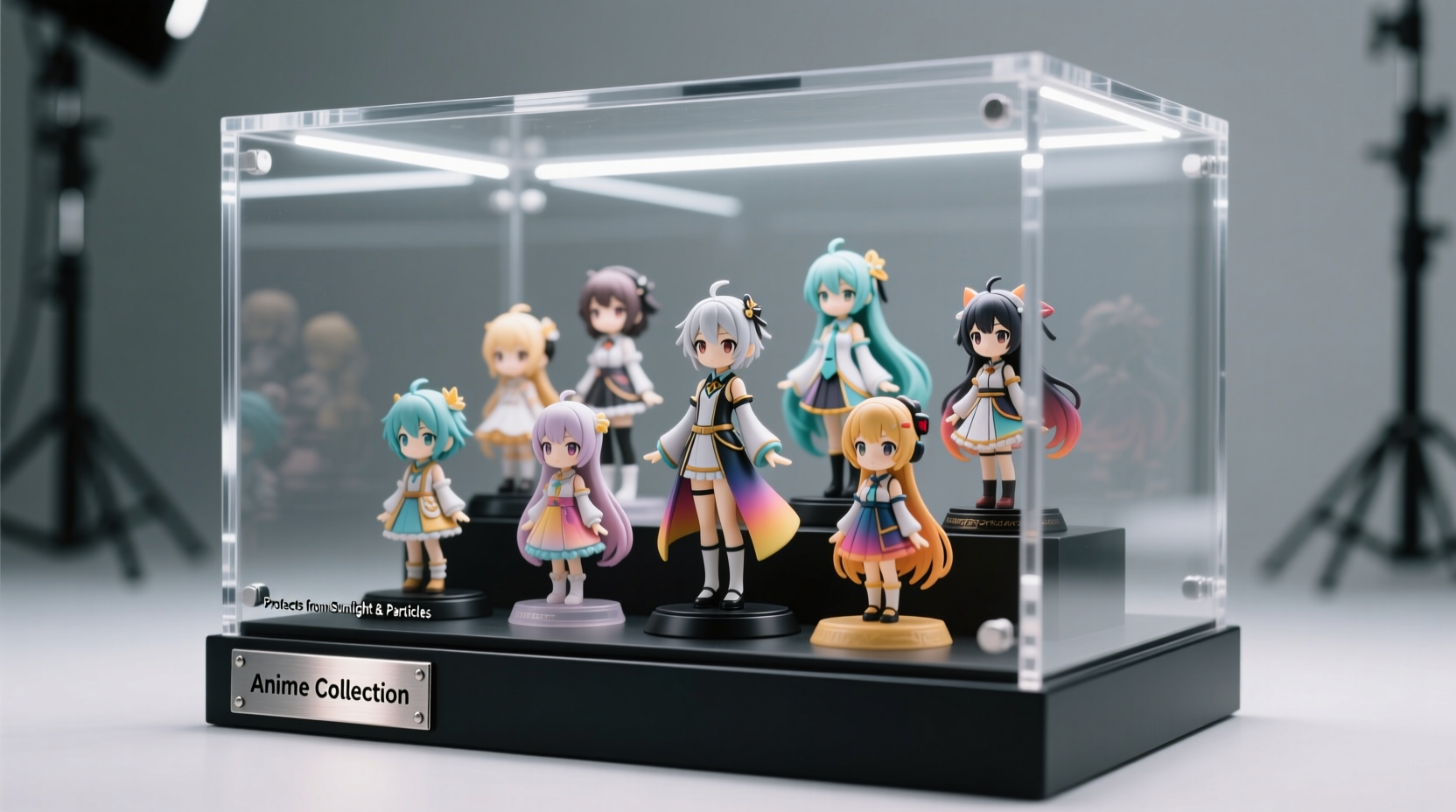
Dust may seem harmless, but on delicate figurines, it’s a persistent threat. Microscopic particles settle into joints, hair strands, and costume textures, making cleaning difficult without risking surface scratches. Over time, dust buildup can attract moisture, leading to mold or discoloration—especially in humid environments.
Sunlight is an even greater concern. Direct exposure to natural light contains UV radiation that breaks down pigments in paint and dyes. Resin and PVC, common materials in anime figurines, are particularly vulnerable. Prolonged exposure causes yellowing, fading, and brittleness. Even indirect sunlight near windows can cause cumulative damage over months.
“Collectors often underestimate how quickly UV light degrades plastic and painted surfaces. A figurine exposed to daylight for six months can show visible fading.” — Dr. Hiro Tanaka, Materials Conservation Specialist
Proper display cases act as a barrier against both threats. They seal out airborne particles and block harmful light wavelengths, ensuring your figures remain vibrant and intact for decades.
Key Features of Effective Display Cases
Not all display cases offer equal protection. To truly safeguard your anime figurines, look for these essential features:
- UV-Blocking Glass or Acrylic: Transparent panels treated to filter out 95–99% of UV radiation prevent color fading without compromising visibility.
- Airtight Seals: Rubber gaskets or magnetic closures minimize dust infiltration by creating a tight enclosure.
- Non-Reflective Surfaces: Anti-glare coatings reduce reflections, improving photo quality and viewing experience.
- Ventilation Options: Some sealed cases include micro-vents with filters to prevent condensation in high-humidity areas.
- Interior Lighting Compatibility: Built-in LED strips should emit minimal heat and no UV output to avoid internal damage.
- Sturdy Construction: Solid wood, metal frames, or reinforced acrylic ensure stability and longevity.
Types of Display Cases Compared
Different collections require different solutions. Whether you own a few premium figures or an expansive lineup, understanding case types helps match form with function.
| Type | Best For | UV Protection | Dust Resistance | Price Range |
|---|---|---|---|---|
| Curio Cabinets | Large collections, room centerpieces | High (with tempered UV glass) | Excellent (full-door seals) | $200–$800+ |
| Acrylic Dome Cases | Single premium figures, shelf displays | Moderate (if UV-coated) | Good (seal at base) | $40–$150 |
| Wall-Mounted Shadow Boxes | Smaller figures, space-saving setups | Variable (depends on front panel) | Fair (potential gaps) | $30–$100 |
| Modular Cube Shelving with Doors | Customizable layouts, growing collections | High (if doors have UV film) | Very Good (individual compartment seals) | $80–$400 |
| Open Shelves with Covers | Temporary display, frequent access | None unless covered | Poor (exposed when open) | $20–$70 |
For serious collectors, curio cabinets and modular systems with full enclosures provide the best long-term protection. Acrylic domes work well for centerpiece figures but require careful placement to avoid glare and heat buildup.
Step-by-Step: Setting Up a Protected Display Zone
Creating a safe environment for your anime figurines involves more than buying a case. Follow this sequence to maximize protection and visual impact:
- Assess Your Space: Identify a location away from windows, heating vents, and high-traffic areas where vibrations or accidental bumps could occur.
- Choose Case Type Based on Collection Size: Single figures? Use dome cases. More than five pieces? Opt for a cabinet or modular system.
- Verify UV Protection: Confirm that glass or acrylic panels are labeled “UV-protective” or “anti-UV coated.” If not, apply a clear UV-filtering film.
- Install Dust Seals: Ensure doors close tightly. Add adhesive foam strips if gaps exist around edges.
- Add Interior Lighting (Optional): Install low-heat, UV-free LED strips inside the case. Avoid halogen or incandescent bulbs.
- Arrange Figures Strategically: Place taller or larger pieces toward the back. Leave space between figures for airflow and cleaning access.
- Seal and Monitor: Close the case and inspect weekly for dust accumulation or condensation. Wipe exterior glass with a microfiber cloth regularly.
Real Example: Preserving a Limited-Edition Figure
Takashi, a collector from Osaka, owns a rare 1/4 scale figure of Asuka Langley from *Neon Genesis Evangelion*, released exclusively at Comiket 2018. Valued at over $1,200, the figure features intricate armor detailing and hand-painted facial expressions. Initially displayed on an open shelf near his balcony, he noticed fading on the red accents within nine months.
After consulting a conservation forum, Takashi invested in a glass-front curio cabinet with UV-filtered doors and rubber-sealed edges. He relocated the figure inside, added soft white LEDs, and placed the cabinet in a north-facing corner of his living room—receiving only ambient light. Two years later, the figure shows no further degradation. Regular maintenance includes monthly microfiber dusting and quarterly checks for seal integrity.
His experience underscores a critical point: even short-term exposure can initiate irreversible damage. Proactive protection pays off in both aesthetic and monetary value.
Do’s and Don’ts: Maintaining Figurine Display Cases
| Do’s | Don’ts |
|---|---|
| Use microfiber cloths for cleaning glass and figurines | Use chemical cleaners like Windex on acrylic surfaces |
| Check door seals every 3–6 months for wear | Store near radiators or air conditioners causing temperature swings |
| Apply UV-protective film if original glass lacks coating | Leave cases open overnight in dusty environments |
| Label compartments if rotating multiple figures | Overcrowd shelves, making cleaning difficult |
| Use silica gel packs inside large cabinets to control humidity | Expose resin figures to direct indoor lighting for extended periods |
Essential Checklist for Buyers
Before purchasing a display case, verify these points to ensure maximum protection:
- ✅ Does the case explicitly state UV protection for glass or acrylic?
- ✅ Are the doors equipped with a sealing mechanism (magnetic, latch, or gasket)?
- ✅ Is ventilation included or possible for climate control?
- ✅ Can interior lighting be added safely without heat buildup?
- ✅ Is the material resistant to warping or yellowing over time?
- ✅ Does the size allow for future expansion of your collection?
- ✅ Is assembly required, and are instructions clear?
Frequently Asked Questions
Can I use a regular glass cabinet for anime figurines?
Standard glass blocks some UV light but not enough for long-term protection. Untreated glass filters less than 40% of UV rays. For true preservation, choose cases with laminated or coated UV-blocking glass that blocks 98% or more.
How often should I clean inside the display case?
If sealed properly, internal cleaning is needed only every 3–6 months. Wipe shelves with a dry microfiber cloth. For stubborn dust, lightly dampen the cloth with distilled water and let surfaces dry completely before replacing figures.
Are acrylic cases better than glass?
Acrylic is lighter and less prone to shattering, but it scratches more easily. High-grade acrylic with UV inhibitors performs well, but tempered glass offers superior clarity and durability. Choose based on your priorities: safety (acrylic) vs. longevity and shine (glass).
Final Thoughts: Protect Passion with Purpose
Anime figurines represent more than fandom—they reflect personal connection, artistic appreciation, and emotional investment. Protecting them isn’t obsessive; it’s respectful. A well-chosen display case does more than keep dust away—it honors the craftsmanship behind each piece and ensures that future generations can appreciate their beauty.
The right case combines functionality with elegance, offering peace of mind through proven barriers against sunlight and particulates. Whether you're starting your first display or upgrading a longtime collection, prioritize UV resistance, airtight construction, and thoughtful layout. These elements don’t just preserve—they elevate.




 浙公网安备
33010002000092号
浙公网安备
33010002000092号 浙B2-20120091-4
Comments
No comments yet. Why don't you start the discussion?