
For anime collectors and fans, merchandise isn’t just about fandom—it’s often a long-term investment. Whether displayed on a shelf, attached to a bag, or stored in protective cases, items like keychains and enamel pins carry emotional weight and potential financial value. But when it comes to preserving worth over time, one question stands out: Which holds its value better—keychains or enamel pins?
The answer depends on multiple factors: materials, production quality, rarity, demand, and how well the item is preserved. While both are popular forms of anime merch, their long-term value trajectories differ significantly. Understanding these differences helps collectors prioritize purchases, storage methods, and resale timing.
Material Composition and Durability
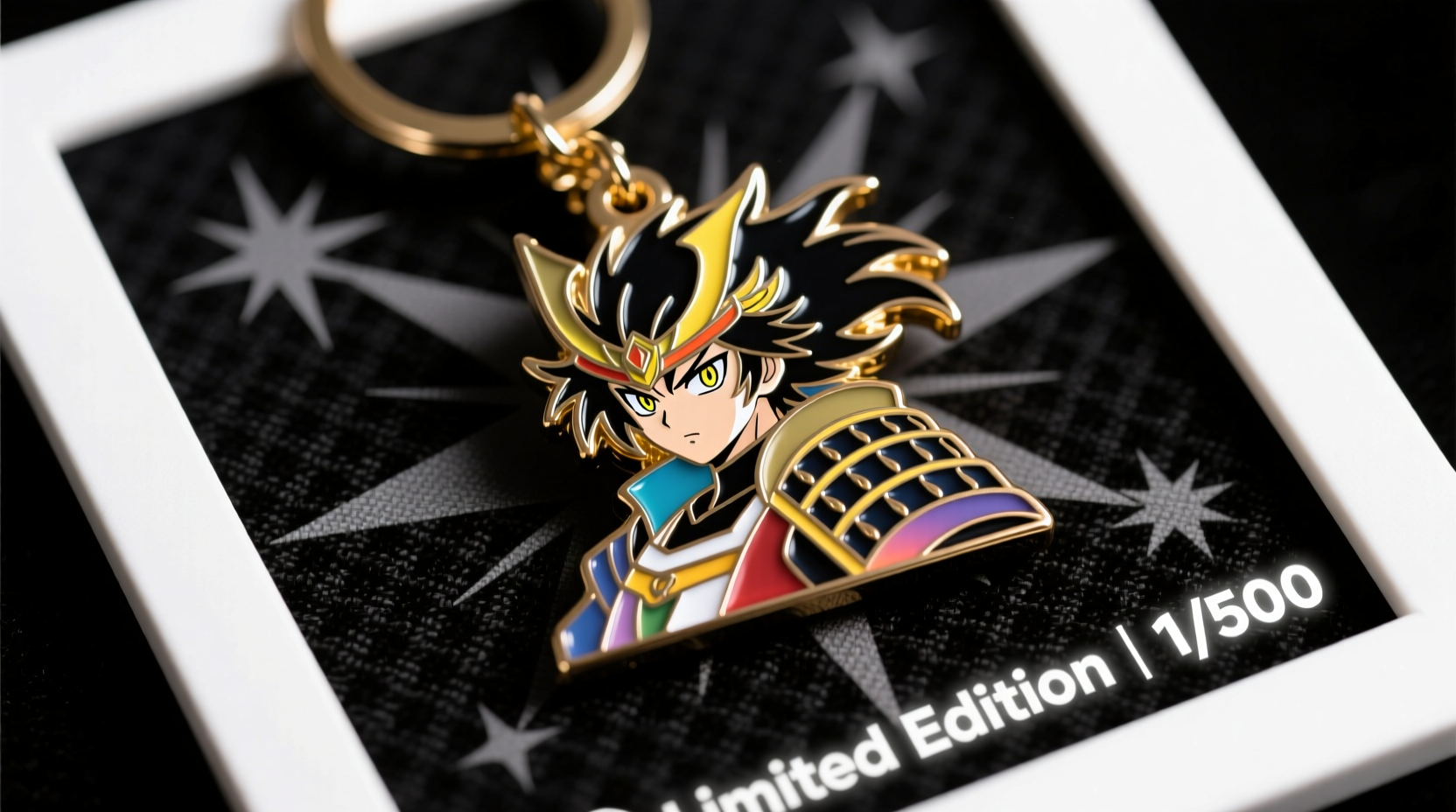
The foundation of any collectible’s longevity lies in what it's made of. Keychains and enamel pins may appear similar at first glance—both are small, wearable accessories—but their construction sets them on divergent paths when it comes to wear resistance and aging.
Enamel pins are typically made from metal alloys such as iron, brass, or zinc, with layers of colored enamel baked into recessed areas. A protective epoxy coating is often applied to preserve the finish. This makes them highly resistant to scratching, fading, and general wear—especially if not handled daily.
Keychains, by contrast, vary widely in material. Many are made from soft PVC (rubber-like plastic), silicone, acrylic, or resin. Some premium versions use metal bases, but even those often feature delicate paint details or embedded charms that chip easily. The constant handling, jostling in pockets or bags, and exposure to moisture accelerate deterioration.
Because keychains are designed for functional use, they naturally endure more physical stress than display-focused pins. Over time, this leads to visible wear—scratches, faded paint, broken chains, or warped shapes—all of which reduce collector appeal and market value.
Market Demand and Collector Trends
Popularity drives value. In recent years, enamel pins have surged in popularity beyond anime circles, embraced by lifestyle brands, artists, and mainstream fashion. Their aesthetic versatility—easily worn on jackets, hats, or lanyards—has turned them into status symbols within niche communities.
Anime-specific pins, especially limited editions tied to major series like *Demon Slayer*, *My Hero Academia*, or *Jujutsu Kaisen*, frequently resell for multiples of their original price. For example, a rare *Satoru Gojo* clear resin pin released during a 2021 Animate event sold for $35 at retail and now trades between $120–$180 on secondary markets like eBay and Yahoo Japan Auctions via proxy services.
Keychains, while beloved, lack the same broad cross-genre appeal. Most remain confined to anime convention spaces and fan shops. High-end variants—such as chibi-shaped metal keychains from GSC’s *Nendoroid* line—do retain value, but only under strict conditions: sealed packaging, no scratches, and high initial demand.
“Pins have become the new trading cards of anime culture—small, expressive, and built for scarcity.” — Lila Chen, Curator at Tokyo Pop-Up Collective
Limited-run releases further amplify the gap. Pins are often produced in smaller batches due to higher per-unit cost, making them inherently rarer. Keychains, particularly PVC figures with keyring attachments, are mass-produced for wider accessibility, diluting exclusivity.
Resale Value Comparison: A Data Snapshot
| Metric | Enamel Pins | Keychains |
|---|---|---|
| Avg. Production Run Size | 300–1,000 units | 5,000+ units |
| Typical Resale Premium (Limited Edition) | 2x – 6x original price | 1.5x – 3x original price |
| Durability Rating (1–10) | 8.5 | 5.0 |
| Secondary Market Liquidity | High (active global buyers) | Moderate (fan-specific demand) |
| Packaged vs. Open Value Retention | Sealed: +70% value | Open: +30% | Sealed: +80% value | Open: -40% |
This table illustrates why enamel pins consistently outperform keychains in value retention. Even when opened and used, pins maintain a respectable portion of their peak worth due to visual appeal and sturdiness. Keychains, once removed from packaging, face steep depreciation unless they belong to elite tiers like artist collaborations or convention exclusives.
Real-World Example: The Fate/Grand Order Pin That Tripled in Value
In early 2022, Animate Kyoto released a limited-edition Saber enamel pin as part of a regional promotion. Only 500 pieces were made, each priced at ¥2,200 (~$15 USD). The design featured cloisonné-style enamel with gold plating and came in a custom box.
Within six months, listings appeared on Mercari Japan averaging ¥6,000. By late 2023, completed sales showed final prices reaching ¥8,800 ($60) for mint-condition, unopened pins. Collectors cited the craftsmanship, low mintage, and character popularity as key drivers.
Compare this to a PVC Rezero Rem keychain released the same year, also limited to 1,000 units. Despite similar scarcity, it struggled to exceed 2x its ¥1,800 retail price. Buyers noted common issues: bent keyrings, scuff marks from transport, and inconsistent paint application—factors that undermined confidence in long-term appreciation.
This case underscores a broader trend: **scarcity alone doesn’t guarantee value growth**. Perceived quality, ease of preservation, and cultural cachet matter just as much.
Preservation Practices That Impact Long-Term Worth
No collectible retains value without proper care. However, the level of effort required differs drastically between pins and keychains.
Enamel pins benefit from simple maintenance: storing them flat in pin trays or padded boxes prevents warping. Anti-tarnish strips can be added to containers to protect metal finishes. Because they aren’t meant for constant handling, minimal interaction preserves condition.
Keychains pose greater challenges. Even when not in active use, dangling parts create friction against surfaces. Silicone and PVC degrade over time through a process called “plasticizer migration,” where soft materials gradually stiffen and discolor. Exposure to UV light accelerates this effect.
- Store pins vertically or flat using foam inserts.
- Keep keychains away from direct sunlight and heat sources.
- Use anti-static bags for unpinned storage.
- Avoid touching painted surfaces with bare hands (oils cause staining).
- Never clean with alcohol-based wipes—use microfiber cloths lightly dampened with water.
Step-by-Step Guide to Maximizing Merch Value
Whether you're building a personal archive or planning future resale, follow this timeline to optimize returns:
- Research Before Buying: Check past sold listings on eBay or Japanese auction proxies to gauge demand trends for specific series or characters.
- Prioritize Limited Runs: Look for edition numbers, event exclusives, or artist-signed variants—these appreciate fastest.
- Buy Sealed When Possible: Especially for keychains, factory-sealed items hold disproportionate value.
- Document Condition Immediately: Take high-resolution photos upon arrival to prove authenticity and state if selling later.
- Store Properly Within 24 Hours: Transfer items to archival-quality containers; avoid leaving in shipping boxes.
- Monitor Market Shifts Quarterly: Use tools like Google Trends, Reddit threads, or fan forums to spot rising interest.
- Sell During Peak Hype Windows: After a new season premiere or major award win is ideal for liquidation.
Expert Insights on Anime Merch Investment Potential
While anime merch has historically been seen as disposable consumer goods, experts now recognize certain categories as viable micro-investments.
“The most valuable anime items share traits with fine art: provenance, craftsmanship, and narrative significance. A well-made enamel pin representing a pivotal character moment can resonate emotionally—and financially—for decades.” — Dr. Hiro Tanaka, Cultural Economist at Osaka University
Tanaka’s research highlights that emotional attachment increases holding periods, reducing supply over time. With pins being less prone to damage than plushes or figures, they occupy a sweet spot between affordability and longevity.
Conversely, he cautions against viewing all keychains as equal. “Only those made with premium materials and released under controlled conditions—like museum collaboration lines—show reliable appreciation. Mass-market PVC items are better enjoyed than invested in.”
Frequently Asked Questions
Do enamel pins lose value if worn regularly?
Yes. While occasional wear doesn’t destroy value, frequent use introduces risks: scratches, dents, and missing rubber backs. For maximum appreciation, treat pins as display items rather than accessories. Worn pins typically sell for 30–50% less than pristine ones.
Are metal keychains better investments than plastic ones?
Generally, yes. Metal keychains—especially those with enamel detailing or die-cast construction—resist wear far better than PVC or silicone. Brands like Good Smile Company and Kotobukiya produce metal keychains that routinely double in value if kept sealed. However, they’re rarer and pricier upfront.
Can I insure my anime merch collection?
You can, though standard homeowner’s policies may not cover full appraised value. Specialized collectibles insurers like Lloyd’s of London or companies offering hobby collections coverage provide options. Documentation, including receipts and photographs, is essential for claims.
Final Verdict: Enamel Pins Outperform Keychains in Value Retention
After evaluating material durability, market dynamics, preservation needs, and real-world performance, enamel pins clearly hold their value better than most anime keychains.
They are crafted for longevity, traded actively across global platforms, and favored by both casual fans and serious collectors. Their compact size, artistic detail, and resistance to environmental damage make them ideal candidates for long-term storage and appreciation.
That said, exceptions exist. Certain high-end keychains—particularly those made from metal, released exclusively at major events, or tied to retiring franchises—can rival or surpass average pins in resale value. But these are outliers, not the norm.
If your goal is to build a collection that grows in worth over time, focus your budget and attention on enamel pins. Prioritize limited editions, reputable manufacturers, and careful storage. Treat each purchase not just as an expression of fandom, but as a curated asset.




 浙公网安备
33010002000092号
浙公网安备
33010002000092号 浙B2-20120091-4
Comments
No comments yet. Why don't you start the discussion?