
For anime fans, collecting memorabilia is more than a hobby—it’s a way to express identity, celebrate beloved characters, and preserve memories of impactful stories. Among the most popular forms of anime merchandise are keychains and enamel pins. Both are compact, portable, and widely available, making them accessible entry points into the world of fan collectibles. Yet, despite their similarities, they differ significantly in design, function, durability, and collectible appeal. Choosing between anime keychains and enamel pins isn’t just about preference—it’s about understanding what kind of collector you are and what you want from your collection.
Design and Aesthetic Appeal
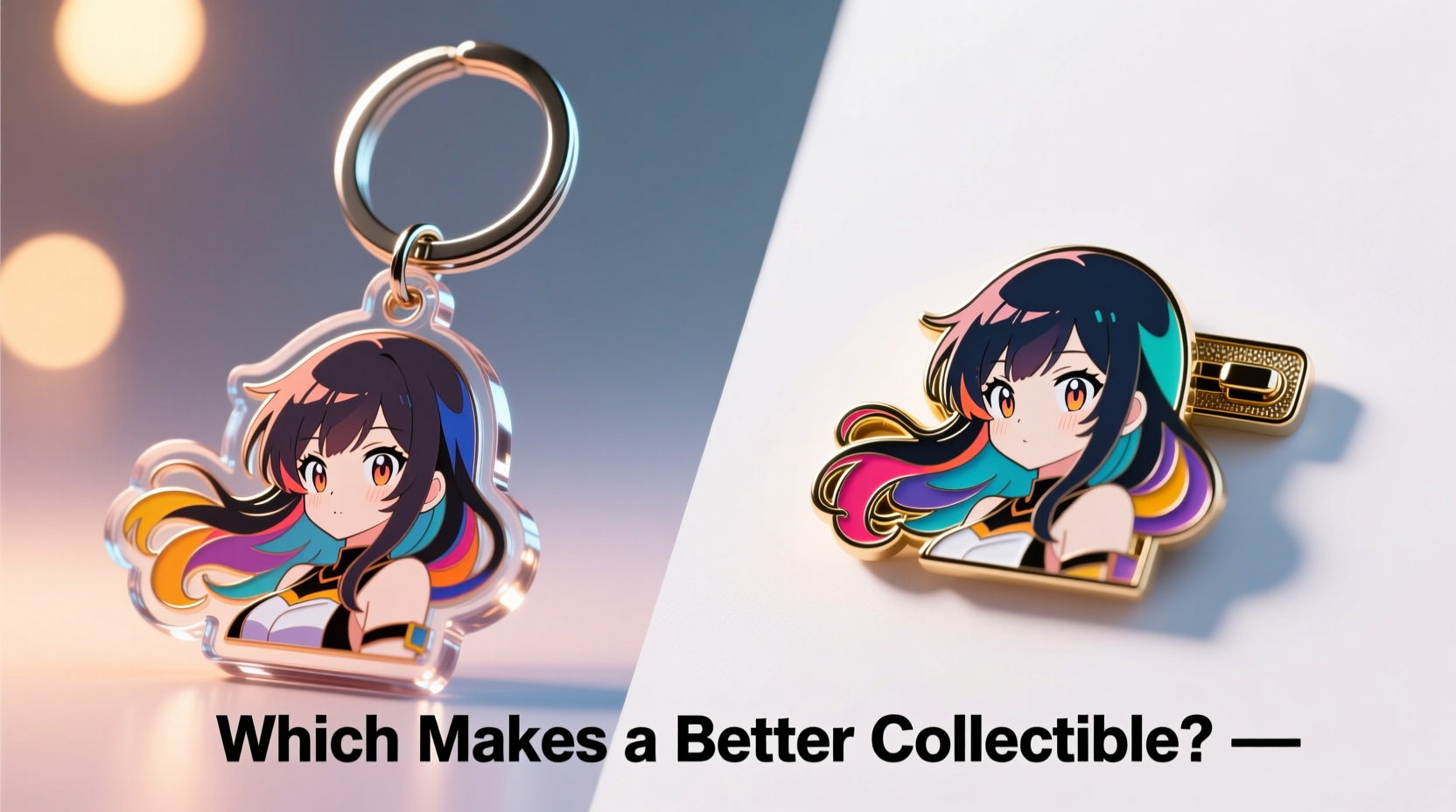
The visual presentation of a collectible often determines its long-term appeal. Anime keychains typically feature molded PVC figures, acrylic silhouettes, or metal charms shaped like characters, logos, or iconic objects from a series. They often come with a small chain or ring attachment, allowing them to be clipped onto bags, keys, or zippers. Many keychains are three-dimensional, offering depth and texture that can enhance realism—especially in PVC figurines where facial expressions and costumes are intricately detailed.
In contrast, enamel pins are flat, circular (or custom-shaped) badges made from metal with colored enamel fill. They’re designed to be pinned onto clothing, jackets, hats, or pin boards. Their aesthetic leans toward minimalist artistry, often capturing a character’s essence through stylized illustrations, chibi versions, or symbolic motifs. The use of soft enamel with textured ridges or hard enamel with a smooth finish adds a tactile dimension that collectors appreciate.
While keychains offer a toy-like charm, enamel pins tend to feel more like wearable art. This distinction influences how they’re perceived—not just as merchandise, but as curated fashion statements. As Lena Tran, a pop culture curator at the Tokyo Collectibles Archive, notes:
“Enamel pins occupy a unique space between accessory and artifact. They’re personal, expressive, and often reflect deeper narrative connections fans have with characters.” — Lena Tran, Pop Culture Curator
Durability and Longevity
One of the most critical factors in determining a collectible’s value over time is its ability to withstand wear. Keychains, by nature, are functional items. Attached to keys or bags, they’re exposed to constant friction, drops, and environmental elements. PVC keychains can yellow over time when exposed to UV light, and painted details may chip with frequent handling. Acrylic versions are more resistant to fading but can crack if dropped on hard surfaces.
Enamel pins, while not indestructible, are generally more resilient. Made from durable metals like iron, brass, or zinc alloy, they resist bending under normal use. High-quality pins are coated with epoxy or protective lacquer to prevent tarnishing and scratching. Because they’re worn rather than carried, they avoid the daily abrasion that keychains endure. When stored properly—such as in pin-backing cards or display cases—they can retain their luster for decades.
That said, both types of collectibles require care. Dust, moisture, and direct sunlight degrade materials over time. However, due to their passive role in daily life, enamel pins typically maintain their condition better than keychains used regularly.
Display and Customization Potential
How a collectible is displayed affects both its visibility and emotional impact. Keychains are inherently utilitarian. While some collectors hang them on dedicated key racks or shadow boxes, most remain in active use—dangling from backpacks or jingling on key rings. This integration into everyday life gives them a dynamic presence but limits creative arrangement.
Enamel pins, however, are built for customization. Fans curate “pin boards” on denim jackets, tote bags, or corkboards, arranging them into thematic layouts—grouped by series, character arcs, or color schemes. Limited edition releases and convention exclusives encourage strategic collecting, turning each pin into a puzzle piece in a larger visual narrative.
This flexibility has fueled the rise of “pin culture” within anime fandom. Attend any anime convention, and you’ll see attendees proudly wearing elaborate pin-covered jackets—a walking gallery of their favorite moments and characters. The act of arranging and rearranging pins fosters ongoing engagement with the collection, transforming it from static display to evolving art project.
Cost and Accessibility Comparison
Price is a major consideration for collectors, especially those building a collection over time. Generally, anime keychains range from $5 to $25, depending on material and licensing. Mass-produced acrylic or rubber keychains from official stores or import shops are affordable and widely available. Limited-run PVC figures, particularly from Japanese vendors, can exceed $30, especially if imported.
Enamel pins vary more dramatically in price. Common retail pins sell for $8–$15, but rare or artist-designed variants can reach $50 or more on secondary markets. Convention-exclusive pins, glow-in-the-dark editions, or those with added features like magnets or moving parts command premium prices. Despite this, the average enamel pin offers better value per square inch of artwork compared to most keychains.
| Feature | Keychains | Enamel Pins |
|---|---|---|
| Average Price | $5–$25 | $8–$50+ |
| Production Quality | Good (PVC), Fair (acrylic) | Excellent (metal + enamel) |
| Rarity Potential | Moderate (limited runs) | High (convention exclusives) |
| Ease of Display | Low (functional use) | High (custom layouts) |
| Durability | Moderate (prone to chipping) | High (scratch-resistant coating) |
The table highlights a key trade-off: keychains are more accessible upfront, but enamel pins offer greater long-term collectible depth and artistic value.
Real-World Example: The Journey of a Dual Collector
Mika, a 27-year-old graphic designer from Vancouver, began collecting anime merchandise in high school with a Naruto keychain she bought at a local anime shop. Over the years, her collection grew to include dozens of PVC figures from series like *My Hero Academia*, *Demon Slayer*, and *Jujutsu Kaisen*. She clipped many to her backpack, enjoying how they sparked conversations with fellow fans.
But after attending her first anime convention five years ago, she discovered enamel pins. Inspired by a friend’s intricately arranged jacket, she started acquiring pins from booth vendors and online artists. Within two years, she had over 80 pins, carefully organized by franchise on a custom display board at home. “I still love my keychains,” she says, “but the pins feel more intentional. Each one represents a moment I wanted to remember—like the first time I saw Gojo’s domain expansion.”
Mika now uses keychains for daily expression and reserves pins for meaningful milestones. Her story reflects a common evolution among collectors: starting with accessible items and progressing toward more curated, emotionally resonant pieces.
Step-by-Step Guide to Building a Balanced Collection
Whether you lean toward keychains, enamel pins, or both, a thoughtful approach ensures lasting enjoyment. Follow this timeline to build a cohesive, sustainable collection:
- Define Your Focus (Week 1): Choose 1–3 anime series to center your collection around. This prevents random accumulation and increases thematic value.
- Set a Monthly Budget (Week 2): Allocate funds—for example, $30/month—to avoid overspending. Prioritize quality over quantity.
- Research Reliable Sellers (Week 3): Identify official stores (e.g., Crunchyroll Shop, Animate), trusted Etsy artists, or reputable convention vendors.
- Start with Entry-Level Items (Month 1–3): Purchase 2–3 keychains and 2–3 basic enamel pins to test durability and aesthetic fit.
- Evaluate Display Options (Month 4): Buy a pin board, shadow box, or clear organizer to showcase your growing collection.
- Seek Exclusives (Ongoing): Attend conventions or join fan groups to access limited-edition releases.
- Document & Share (Ongoing): Take photos, tag creators, and engage with communities. This deepens connection and may lead to trades or gifts.
Checklist: What Makes a Great Anime Collectible?
- ✅ Officially licensed or artist-created authenticity
- ✅ High-quality materials (durable metal, fade-resistant paint)
- ✅ Emotional or nostalgic significance
- ✅ Clear display potential
- ✅ Reasonable price relative to craftsmanship
- ✅ Rarity or limited availability (optional but valuable)
- ✅ Compatibility with other items in your collection
Frequently Asked Questions
Are enamel pins worth more than keychains in the long run?
Generally, yes. Due to their higher production quality, limited availability, and strong resale market, enamel pins tend to appreciate in value more than keychains. Rare pins from sold-out conventions have been known to sell for 5–10x their original price, while keychains rarely exceed face value unless part of a discontinued line.
Can I wear anime keychains as fashion accessories?
Absolutely. Many fans attach keychains to jean loops, bag straps, or lanyards as decorative accents. However, frequent movement may cause faster wear. For purely aesthetic use, consider mounting them on display cards instead.
How do I clean and maintain my anime collectibles?
For keychains: Wipe with a damp microfiber cloth; avoid soaking. For enamel pins: Use a cotton swab lightly dipped in rubbing alcohol to remove grime, then dry immediately. Never use abrasive cleaners on either.
Final Verdict: Which Is the Better Collectible?
If your goal is practicality and immediate fandom expression, anime keychains are an excellent choice. They’re affordable, widely available, and easy to integrate into daily life. However, if you're building a long-term, visually compelling collection with potential for appreciation and personal storytelling, enamel pins are the superior option.
Pins offer greater artistic integrity, durability, and customization. They transform passive admiration into active curation. While keychains serve well as introductory items or conversation starters, enamel pins evolve into heirlooms—tiny emblems of passion that fans return to again and again.
Ultimately, the best collectible is the one that resonates with you. Some fans blend both formats, using keychains for utility and pins for legacy. The beauty of anime merchandise lies not in hierarchy, but in the freedom to choose what brings joy.




 浙公网安备
33010002000092号
浙公网安备
33010002000092号 浙B2-20120091-4
Comments
No comments yet. Why don't you start the discussion?