
For anime enthusiasts, displaying collectibles is more than just storage—it's a celebration of passion. From limited-edition figurines to signed artwork, each piece tells a story. But as collections grow, so does the challenge: keeping shelves visually striking while minimizing dust accumulation. Dust not only dulls finishes but can degrade materials over time, especially on delicate paintwork or fabric accessories. The solution lies in smart organization that balances accessibility, aesthetics, and protection. This guide offers practical, tested strategies to keep your anime merch looking pristine with minimal maintenance.
Choose the Right Shelf Type for Your Space
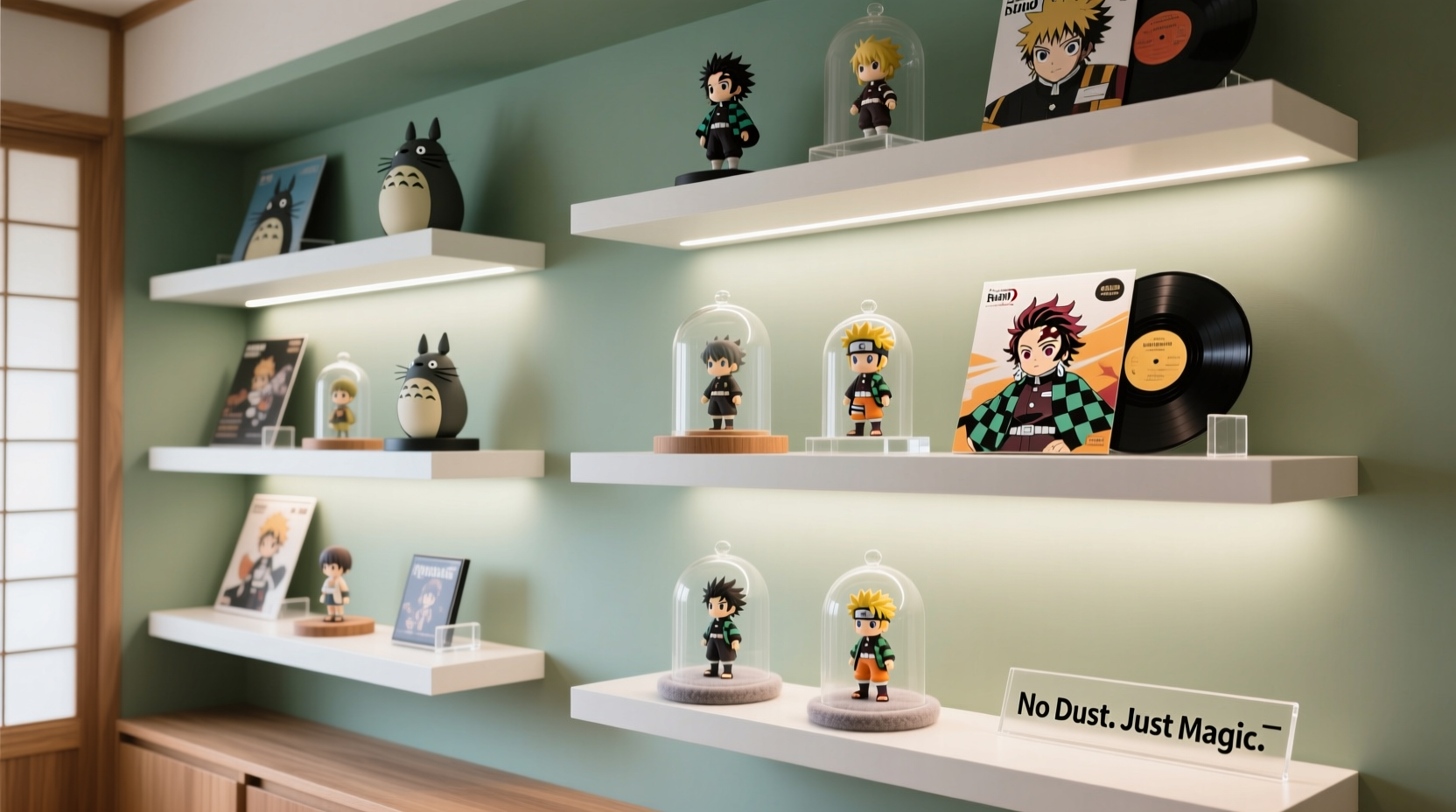
The foundation of any effective display system starts with selecting the right shelving. Not all shelves are created equal when it comes to protecting anime merchandise from dust and environmental damage. Open floating shelves may look sleek, but they expose items to airborne particles and sunlight—two leading causes of rapid dust buildup and color fading.
Consider enclosed or semi-enclosed options such as glass-front cabinets, shadow boxes, or modular display cases with doors. These act as physical barriers against dust while still allowing full visibility. If open shelves are preferred for aesthetic reasons, pair them with periodic cleaning routines and strategic placement away from high-traffic areas where air movement stirs up debris.
Organize by Theme, Size, and Fragility
A well-organized shelf isn’t just about neatness—it enhances visual impact and simplifies cleaning. Grouping items by series (e.g., My Hero Academia, Demon Slayer), character, or release year creates cohesive zones that tell a narrative. This thematic approach also makes future additions easier to integrate without disrupting the overall layout.
Within each theme, sort by size and fragility. Place heavier, sturdier pieces like resin statues or boxed sets on lower shelves for stability and reduced risk of accidental knocks. Delicate items—such as Nendoroids with removable parts or acrylic stands—should go higher up, out of reach of pets or children, and ideally behind protective covers.
Use risers or tiered platforms to create depth and avoid flat, cluttered arrangements. A staggered layout improves sightlines and reduces surface area exposed to dust.
“Display curation is part art, part science. When done right, it protects value and elevates emotional connection.” — Kenji Tanaka, Collector & Display Consultant
Prevent Dust Buildup with Protective Enclosures
Dust is inevitable, but exposure doesn’t have to be. One of the most effective long-term solutions is using protective enclosures. Acrylic display domes, custom-fit cloches, or modular case systems offer transparent shielding without sacrificing visibility.
For larger setups, consider investing in a full cabinet with UV-filtering glass doors. These block harmful sunlight rays that cause yellowing and fading while reducing dust infiltration by up to 70%, according to preservation studies conducted at the Kyoto Museum of Pop Culture.
If budget constraints limit access to commercial cases, DIY alternatives work surprisingly well. Clear plastic storage boxes with snap-on lids (commonly used for craft supplies) can be repurposed into mini-display units. Cut an opening on one side for viewing, mount securely to the shelf, and label discreetly for easy identification.
Step-by-Step: Installing a DIY Dust Shield
- Select a clear plastic container slightly larger than your item.
- Measure and mark a rectangular cutout on one vertical face.
- Use a utility knife or heat tool to carefully remove the section.
- Smooth edges with fine sandpaper to prevent scratches.
- Place the figure inside and secure the lid.
- Label the bottom edge with series name or acquisition date.
Maintenance Routine: Cleaning Without Damage
Even the best-protected shelves require occasional cleaning. However, improper methods can do more harm than good—especially on painted surfaces, metallic finishes, or soft vinyl.
Never use household cleaners, alcohol wipes, or paper towels on anime figures. These often contain abrasives or solvents that strip coatings and leave micro-scratches. Instead, adopt a gentle, consistent routine:
- Dust weekly with a microfiber cloth or soft-bristle brush.
- Use compressed air in short bursts to dislodge particles from crevices.
- For smudges, lightly dampen a cotton swab with distilled water and spot-clean.
- Allow items to dry completely before replacing enclosures.
Frequency depends on environment. In dry, low-humidity spaces, monthly cleaning suffices. In coastal or urban areas with higher particulate matter, bi-weekly attention may be necessary.
| Cleaning Tool | Best For | Avoid On |
|---|---|---|
| Microfiber Cloth | General dust removal, smooth surfaces | Frayed edges (can scratch) |
| Makeup Brush (Clean, Unused) | Hair details, small gaps, fabric clothing | Oily bristles |
| Compressed Air Can | Base cracks, joint seams, electronics | Direct spray on eyes or decals |
| Cotton Swabs + Distilled Water | Spot cleaning fingerprints or stains | Unsealed paint layers |
Real Example: How Sarah Maintains Her Studio Ghibli Collection
Sarah Kim, a longtime collector from Portland, Oregon, owns over 50 Studio Ghibli figures, including rare Totoro variants and Laputa exclusives. Living in a two-bedroom apartment with two cats, she faced constant challenges with dust and accidental bumps.
Her solution? She converted a bookshelf into a hybrid display-storage unit. The bottom two shelves hold sealed boxes and backup items behind glass doors. Middle shelves feature themed scenes—Totoro’s forest under moonlight, Kiki’s delivery service setup—each covered with custom-cut acrylic domes. Top shelves house fragile porcelain pieces within repurposed display cases from a thrift store.
She cleans every other Sunday using a dedicated kit: a microfiber cloth, a $5 makeup brush, and a can of compressed air. By rotating her focus—one shelf per session—she spends less than 20 minutes maintaining the entire collection.
“I used to dread cleaning,” she says. “Now it’s meditative. I get to reconnect with why I love these characters in the first place.”
Checklist: Optimize Your Anime Merch Shelf Today
Follow this actionable checklist to upgrade your current setup and minimize dust exposure:
- ✅ Assess current shelf type: Is it open or enclosed?
- ✅ Relocate shelves away from vents, windows, or high-traffic zones.
- ✅ Group items by series, character, or release timeline.
- ✅ Use risers or platforms to create layered depth.
- ✅ Install glass doors or acrylic covers on vulnerable displays.
- ✅ Label enclosures discreetly for quick identification.
- ✅ Schedule bi-weekly or monthly cleaning sessions.
- ✅ Stock a dedicated cleaning kit with safe tools.
- ✅ Rotate spotlight items seasonally to refresh visuals.
- ✅ Inspect for signs of wear, fading, or adhesive degradation quarterly.
FAQ: Common Questions About Anime Merch Display
How often should I deep clean my anime figures?
Deep cleaning—beyond light dusting—should occur every 3 to 6 months, depending on environment. More frequent cleaning may be needed if you live in a dusty city or near construction. Always unplug electronic bases before cleaning and avoid moisture near circuitry.
Can I use a regular vacuum to remove dust from shelves?
Not directly on figures. Standard vacuums generate strong suction that can pull off small parts or damage delicate accessories. However, a vacuum with a soft brush attachment can safely clean around the shelf perimeter and back panel. For the figures themselves, stick to compressed air or manual brushing.
Are UV lights bad for anime merch?
Yes. Prolonged exposure to UV radiation—whether from sunlight or LED lighting—causes plastics to yellow and paints to fade. If you use display lighting, choose LEDs labeled “UV-free” or “museum-grade.” Keep lights on timers to limit daily exposure to 4–6 hours.
Final Thoughts: Protect Passion with Purpose
Your anime collection reflects more than fandom—it represents memories, milestones, and personal expression. Preserving its appearance shouldn’t feel like a chore. With thoughtful shelf organization, protective enclosures, and a sustainable cleaning rhythm, you can enjoy your display daily without constant upkeep.
The goal isn’t perfection, but sustainability. A system that works today should still function beautifully years from now, even as your collection grows. Whether you own five cherished pieces or fifty, the principles remain the same: elevate visibility, reduce exposure, and honor each item’s significance.




 浙公网安备
33010002000092号
浙公网安备
33010002000092号 浙B2-20120091-4
Comments
No comments yet. Why don't you start the discussion?