
Anime fans have a well-known habit: they often rewatch the opening sequence of their favorite shows far more frequently than the actual episodes. This isn't just nostalgia—it's a deliberate, emotionally charged ritual. From the electrifying first notes to the final frame of animation, anime openings are engineered to captivate. Fans curate playlists filled with these intros, looping them during workouts, commutes, or late-night study sessions. But why does a 90-second intro hold such enduring power over viewers who’ve already seen the full season?
The answer lies at the intersection of music, storytelling, visual artistry, and fan culture. Openings in anime aren’t mere preludes—they’re compact masterpieces that distill the essence of a series into a single, repeatable burst of energy. They set tone, foreshadow arcs, and create instant emotional resonance. In an era where attention spans are short and content is abundant, anime intros deliver maximum impact with minimal time investment.
The Anatomy of a Compelling Anime Opening
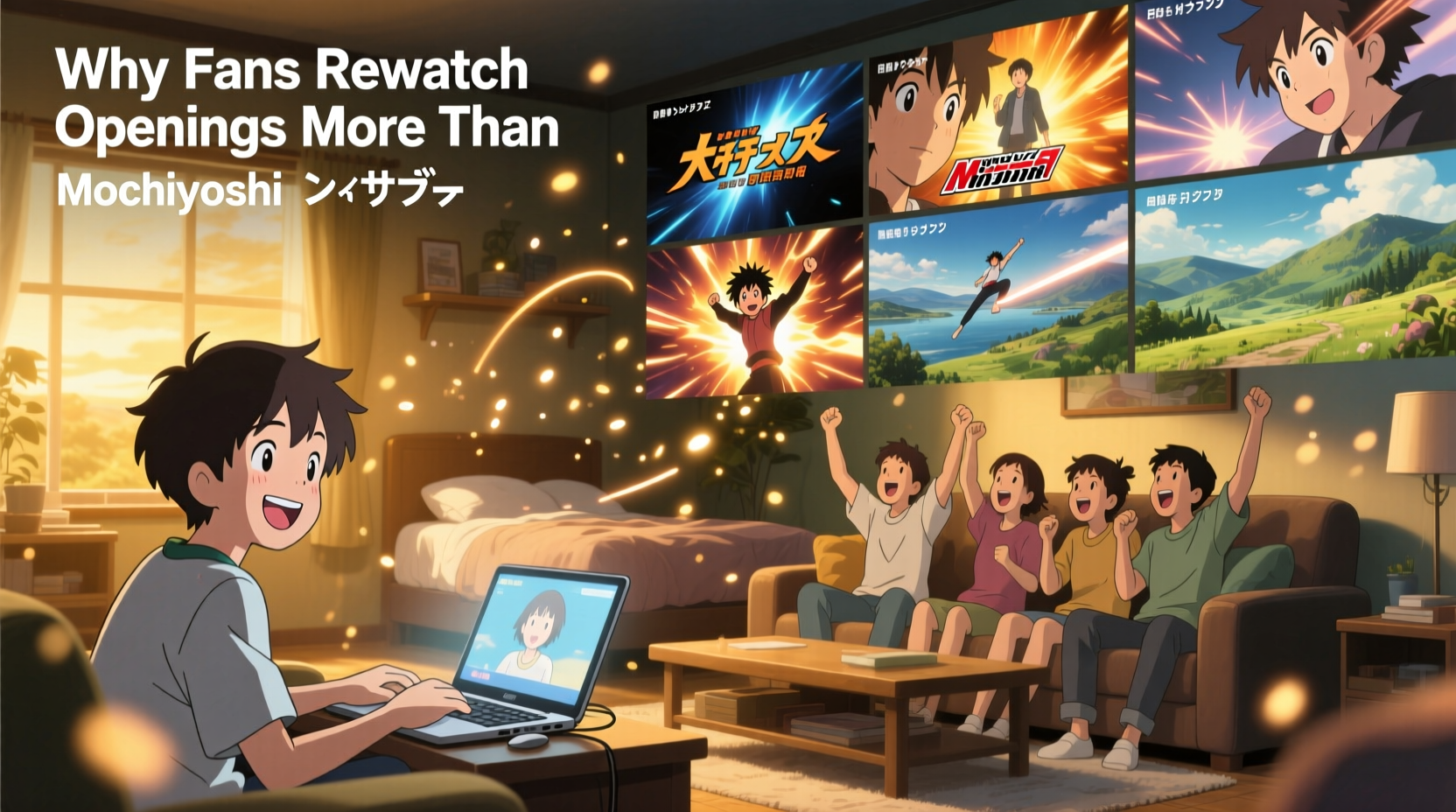
An anime opening (OP) is typically 90 seconds long and plays before each episode. Despite its brevity, it’s one of the most meticulously crafted parts of a series. Unlike Western TV shows, which often use static title cards or abbreviated sequences after the pilot, anime maintains unique, evolving openings throughout a season—sometimes even changing mid-season to reflect story progression.
A great OP combines four core elements:
- Music: Catchy, genre-specific tracks that match the show’s mood—whether rock, pop, electronic, or orchestral.
- Lyrics: Often metaphorical, hinting at character arcs or central themes without spoiling plot points.
- Animation: High-quality visuals, sometimes rivaling movie-level production, packed with symbolic imagery.
- Pacing: A narrative arc within seconds—building tension, delivering a climax at the song’s peak, then resolving smoothly into the episode.
Take *Attack on Titan*’s “Guren no Yumiya” by Linked Horizon. The pounding drums, choral chants, and aggressive vocals mirror the desperation and defiance of humanity facing extinction. Visually, the sequence juxtaposes intimate moments of loss with sweeping shots of titans and destruction—offering both emotional depth and epic scale. It’s not just a song; it’s a condensed version of the entire series’ soul.
Cultural Significance and Fan Rituals
In Japan, anime openings are treated as standalone works of art. Many are released as singles or included in albums by popular J-pop or rock artists. Bands like Bump of Chicken, Yoasobi, and Aimer have built massive followings primarily through their anime theme contributions.
Fans don’t just watch these openings—they engage with them. On platforms like YouTube and Spotify, official OP uploads regularly surpass hundreds of millions of views. Playlists titled “Best Anime Openings 2023,” “Epic Shonen Intros,” or “Sad Anime OPs That Make You Cry” amass tens of thousands of saves. These aren’t passive background tracks; they’re curated emotional soundtracks for real-life experiences.
“Anime openings function like modern myths—compressed stories that resonate across cultures and generations.” — Dr. Naomi Takahara, Media Anthropologist, Tokyo University of Culture
This ritualistic rewatching serves psychological purposes. For many fans, pressing play on a familiar OP triggers a dopamine response tied to memories of discovery, excitement, or comfort. It becomes a personal anthem—a sonic anchor during stressful periods. Students report listening to *My Hero Academia*’s “Peace Sign” while studying because it “energizes focus.” Others loop *Your Lie in April*’s “Kira Kira” when processing grief.
Why Openings Outshine Episodes for Rewatchability
Full anime episodes average 20–25 minutes and often include filler content, exposition-heavy dialogue, or pacing lulls. In contrast, openings are tightly edited, visually dynamic, and musically immersive. They avoid redundancy by design. Here’s a breakdown of key differences:
| Aspect | Full Episode | Anime Opening |
|---|---|---|
| Duration | 20–25 minutes | ~90 seconds |
| Narrative Load | High (plot progression, dialogue) | Low (symbolic hints only) |
| Visual Quality | Variable (budget constraints) | Consistently high (prioritized) |
| Musical Integration | Background score only | Central feature with lyrics & rhythm sync |
| Emotional Impact per Second | Moderate | Extremely high |
| Replay Value | Low to moderate | Very high |
The efficiency of emotional delivery makes openings ideal for repeated consumption. You can experience the full arc of tension, release, and triumph in under two minutes—something full episodes rarely achieve with such consistency.
Mini Case Study: The Rise of “Unravel” by TK from Ling Tosite Sigure
When *Tokyo Ghoul* premiered in 2014, few expected its opening theme “Unravel” to become a global phenomenon. Sung entirely in Japanese, the song features rapid tempo shifts, anguished vocals, and surreal visuals showing protagonist Ken Kaneki disintegrating and reforming.
Despite limited mainstream exposure, “Unravel” accumulated over 300 million YouTube views within five years. International fans learned the lyrics phonetically. Covers flooded TikTok and Instagram. At anime conventions, crowds would spontaneously sing it in unison.
What made it so rewatchable? The song mirrors Kaneki’s internal fragmentation—lyrically (“I can’t feel my hands or feet / I’m disappearing”) and visually (body horror transitions). Each viewing reveals new details: a hidden face in the smoke, a reversed image of his human self. The combination of emotional intensity and layered symbolism turns casual listens into obsessive rewatches.
How Fans Use Opening Playlists in Daily Life
Anime opening playlists aren’t just for entertainment—they serve functional roles in personal routines. Here’s how fans integrate them:
- Motivation: High-energy shonen intros (*Naruto*, *Demon Slayer*) fuel gym sessions and runs.
- Focus: Instrumental or melodic OPs (*Violet Evergarden*, *Clannad*) aid concentration during work or study.
- Emotional Regulation: Calming or melancholic themes help process sadness or anxiety.
- Social Bonding: Shared playlists become digital mixtapes among friends or online communities.
Step-by-Step: Building Your Ultimate Anime Opening Playlist
- Define Your Purpose: Are you seeking motivation, relaxation, or nostalgia? Choose a mood or activity focus.
- Select Series You Love: Prioritize shows with strong emotional connections, not just popularity.
- Vary the Tempo: Mix fast-paced rock tracks with slower ballads to avoid fatigue.
- Check Lyric Relevance: Some songs lose meaning out of context. Opt for those that stand alone.
- Update Regularly: Add new favorites and remove ones that no longer resonate.
- Share and Compare: Exchange playlists with friends to discover hidden gems.
Platforms like Spotify and YouTube allow users to sort by release date, BPM, or key, making curation easier. Some fans even time their workout intervals to match the chorus hits in their top OPs.
Common Pitfalls to Avoid
While anime opening playlists offer immense value, there are risks in overuse or misalignment:
- Overexposure: Listening to the same OP daily can diminish its emotional impact.
- Context Loss: Isolating a song from its series may strip away deeper meaning.
- Nostalgia Traps: Clinging only to old favorites limits discovery of new music and shows.
To maintain freshness, rotate your playlist every few weeks. Try pairing lesser-known openings with classics. Explore genres outside your norm—jazz-infused OPs from *Cowboy Bebop* or folk-inspired themes from *Mushishi* offer rich alternatives to mainstream rock anthems.
Checklist: Optimizing Your Anime Opening Experience
- ✅ Watch at least one full opening per week with full screen and good audio
- ✅ Note lyrical references and visual motifs for deeper understanding
- ✅ Update your main playlist monthly with 2–3 new additions
- ✅ Share your playlist on social media or with a friend
- ✅ Use different playlists for different activities (focus, exercise, wind-down)
- ✅ Explore non-Japanese language covers or acoustic versions for variety
FAQ
Do anime creators intend for fans to rewatch openings this much?
While not explicitly designed for endless replay, studios invest heavily in OPs knowing they shape viewer perception. Directors often collaborate closely with musicians to ensure thematic alignment. The goal is to create a memorable, emotionally resonant entry point—even if fans linger there longer than expected.
Are there any downsides to skipping episodes and only watching openings?
Yes. While openings tease major events, they omit crucial character development and plot nuances. Relying solely on OPs leads to fragmented understanding. They’re best enjoyed as complements—not replacements—for the full story.
Can listening to anime openings improve language learning?
Absolutely. Many fans use OPs to practice Japanese pronunciation, vocabulary, and listening skills. The repetitive structure and clear enunciation in songs make them excellent auditory tools. Pair with subtitles and lyric translations for maximum benefit.
Conclusion
Anime openings endure because they transcend their original purpose. They are not just introductions—they are emotional landmarks, sonic time capsules, and artistic statements compressed into 90 seconds of perfection. Fans rewatch them more than episodes not out of laziness or distraction, but because these sequences offer something rare: consistent emotional payoff, aesthetic brilliance, and personal resonance in a digestible format.
Curating and revisiting anime opening playlists is more than a fandom quirk—it’s a form of self-expression, mental regulation, and cultural participation. Whether you're powering through a tough day or reflecting on life’s complexities, there’s likely an anime OP that speaks directly to your moment.




 浙公网安备
33010002000092号
浙公网安备
33010002000092号 浙B2-20120091-4
Comments
No comments yet. Why don't you start the discussion?