
For anime enthusiasts, collecting memorabilia isn’t just about ownership—it’s an expression of identity, passion, and connection to beloved characters and stories. Among the most popular collectibles are plushies and figurines. Both serve as tangible extensions of fandom, but when it comes to choosing the ideal display piece, the decision isn’t always straightforward. Each has distinct advantages in terms of visual appeal, longevity, emotional resonance, and spatial requirements. Understanding these differences helps collectors make informed choices that align with their lifestyle, display goals, and budget.
Aesthetic Appeal: Softness vs. Precision
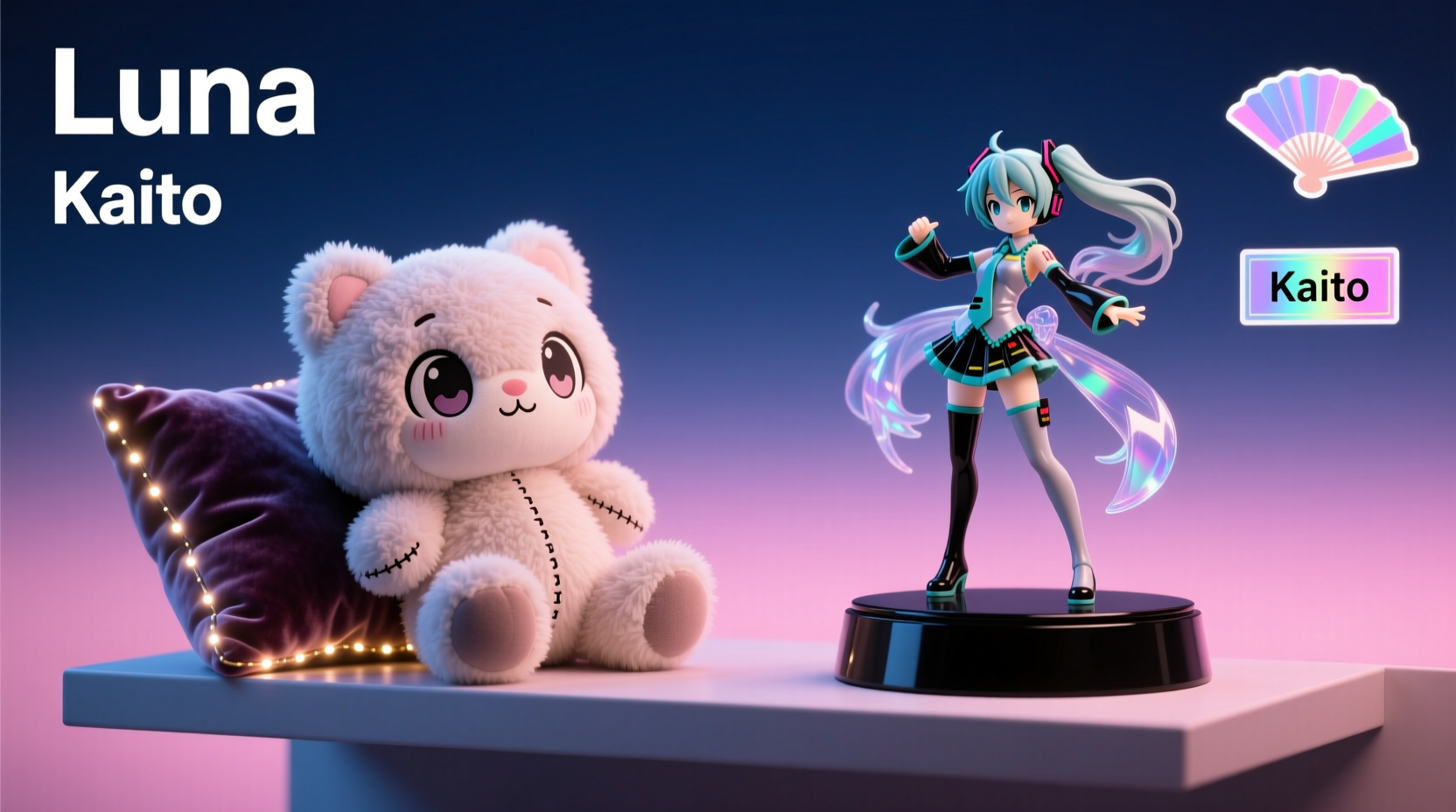
The first consideration for any display item is how it looks in your space. Plushies and figurines offer contrasting visual experiences.
Plushies bring warmth and softness to a room. Their fabric construction gives them a huggable, approachable quality that can soften modern interiors or add whimsy to minimalist setups. Because they're made of textiles, plushies often feature exaggerated proportions—oversized heads, oversized eyes—that emphasize cuteness (kawaii) culture central to many anime series. This stylization works especially well for characters from shows like *My Hero Academia*, *Demon Slayer*, or *Sailor Moon*, where charm and expressiveness matter.
Figurines, on the other hand, prioritize realism and detail. Crafted from PVC, resin, or polystone, they capture precise facial expressions, intricate costumes, dynamic poses, and even subtle shading through paintwork. High-end figures from manufacturers like Good Smile Company or Kotobukiya showcase studio-quality craftsmanship. A life-sized Nami statue or a delicate Tohru diorama doesn't just sit on a shelf—it commands attention like a miniature sculpture.
Durability and Maintenance: Longevity in Practice
How well a collectible holds up over time depends heavily on material, handling, and environment.
Plushies are generally durable against drops and light wear, thanks to their flexible materials. However, they’re vulnerable to environmental factors. Sunlight can fade fabrics, humidity encourages mildew, and dust accumulates easily in fibers. Regular vacuuming with a brush attachment or gentle spot-cleaning extends their lifespan. Some collectors use garment bags or sealed display cases to protect limited-edition plushes from degradation.
Figurines require more careful handling. While resistant to fading under normal conditions, they are brittle—especially at thin points like fingers, wings, or weapon accessories. A single bump can chip paint or snap parts. Dust remains a concern; microfiber cloths or compressed air dusters are recommended. Unlike plushies, you can’t “hug” a figurine—its value lies in pristine condition, making placement out of high-traffic zones essential.
“Display integrity is everything in figure collecting. One scratch can reduce market value by 30%.” — Kenji Sato, Collector & Moderator, Anime Collectibles Forum
Emotional Connection and Interactivity
Collecting isn’t purely visual—it’s emotional. The way a piece makes you feel influences its perceived worth.
Plushies excel in interactivity. They invite touch, comfort, and companionship. Many fans report sleeping with their favorite character plush or using them during stressful times as emotional anchors. This tactile engagement fosters deeper personal bonds. For example, a Frieren plush might become a nighttime ritual companion, symbolizing patience and introspection from the series. That level of intimacy is unique to soft toys.
Figurines evoke admiration rather than interaction. They’re meant to be observed, appreciated for their artistry. While less physically engaging, they carry symbolic weight—owning a fully painted Saitama statue signals dedication, discernment, and investment. The act of unboxing, assembling (in some kits), and positioning becomes a ritual in itself, reinforcing the collector’s sense of achievement.
In this regard, plushies suit those who seek emotional comfort and daily interaction, while figurines appeal to those who value artistic merit and long-term preservation.
Cost, Accessibility, and Scalability
Budget plays a decisive role in what collectors can acquire—and sustain.
Plushies tend to be more affordable. Standard retail plushes range from $15 to $50, with premium or imported versions reaching $80–$120. Limited editions from official stores or conventions may climb higher, but overall, plushes offer broader access. They’re also easier to scale: filling a shelf or bed with multiple characters costs significantly less than doing so with figures.
Figurines span a wide price spectrum. Entry-level Nendoroids start around $50, but deluxe or large-scale pieces exceed $300. Premium statues can cost over $1,000. Beyond purchase price, consider additional expenses: display cases, anti-UV glass, dehumidifiers, and insurance for high-value items. These hidden costs make figurine collecting more resource-intensive.
Availability differs too. Plushies are mass-produced and widely available online and in stores. Figurines often have limited runs, requiring pre-orders months in advance. Missing a release window can mean paying double (or more) on resale markets—a risk not typically faced with plushes.
| Factor | Plushies | Figurines |
|---|---|---|
| Average Price Range | $15 – $120 | $50 – $1,500+ |
| Lifespan (with care) | 5–10 years | 10+ years |
| Dust Resistance | Poor (fabric traps particles) | Good (smooth surfaces) |
| Drop Resistance | High | Low to Moderate |
| Emotional Interactivity | High | Low |
| Rarity & Exclusivity | Moderate | High |
Space and Display Logistics
Where and how you display your collection shapes the experience.
Plushies are versatile. They can sit on shelves, drape over furniture, hang from bedposts, or fill corners. Their softness allows creative arrangements—stacking, grouping by series, or thematic scenes (e.g., a Studio Ghibli forest corner). However, they take up more volume due to their shape and lack of structural rigidity. Over time, they may slump or lose form if not supported.
Figurines demand curated spaces. They work best in display cases with controlled lighting and minimal vibration. Shelves should be level and away from windows to prevent fading and thermal expansion. Because many figures come with stands or baseplates, vertical stacking isn’t feasible. Instead, horizontal real estate becomes precious. Serious collectors often invest in modular shelving systems or dedicated rooms.
Mini Case Study: Yuki’s Dual Collection Strategy
Yuki, a 28-year-old graphic designer from Osaka, collects both plushies and figurines but uses them differently. In her living room, she displays a 1/7 scale Nezuko Kamado figurine under a glass case—her centerpiece, lit subtly with LED strips. It reflects her appreciation for craftsmanship and serves as a conversation starter.
In her bedroom, however, the atmosphere shifts. Her bed is filled with plushies: a Chibi Goku, a Cropped-Ear Inuyasha, and a rare Sanrio x Demon Slayer collaboration bear. These aren’t just decor—they’re part of her daily routine. She arranges them each morning and uses them for stress relief during late-night work sessions.
“The figure is for admiration,” she says. “The plushies are for living with.” Her approach highlights a growing trend: hybrid collecting. Rather than choosing one format, fans use each for its strengths—figurines for public display, plushies for private comfort.
Step-by-Step Guide: Choosing Your Ideal Display Piece
Follow this practical process to determine whether a plushie or figurine suits your needs:
- Define Your Purpose: Is this for decoration, emotional support, investment, or all three?
- Assess Your Space: Do you have a dust-free, stable area with proper lighting and protection from sunlight?
- Set a Budget: Include not just purchase cost but long-term maintenance (cleaning supplies, cases, climate control).
- Evaluate Handling Frequency: Will you move or touch the item regularly? If yes, plushies are safer.
- Research Availability: Check official retailers, fan markets, and pre-order timelines for desired items.
- Test Display Options: Use temporary setups to see how each type fits visually and emotionally in your space.
- Make the Choice—or Combine Both: Select based on priority, or adopt a dual strategy like Yuki.
Checklist: Pre-Purchase Evaluation
- ☑ Is the character officially licensed?
- ☑ Does it match my current display theme or color scheme?
- ☑ Am I prepared for long-term maintenance (cleaning, storage)?
- ☑ Is it within my budget including taxes and shipping?
- ☑ Do I have space that protects it from direct sun and moisture?
- ☑ Will I enjoy it daily, or is it purely for show?
- ☑ Is it part of a limited run? Should I pre-order now?
Frequently Asked Questions
Can I display plushies alongside figurines?
Absolutely. Many collectors blend both for contrast—using plushies as background elements and figurines as focal points. Just ensure plushies don’t shed lint onto nearby figures, and avoid placing heavy plushes above delicate statues.
Which holds value better over time?
Generally, figurines—especially limited editions—appreciate or retain value longer due to scarcity and demand among serious collectors. Plushies can become valuable too, particularly rare convention exclusives, but most mass-market versions do not increase significantly in worth.
Are there hybrid options available?
Yes. Some companies produce “plush-figures”—soft-bodied dolls with sculpted heads or jointed limbs that bridge the gap between formats. Others offer figurines with plush accessories (like capes or animal companions), blending tactile and visual appeal.
Conclusion: Align Form with Feeling
There’s no universal answer to whether anime plushies or figurines make better display pieces—the right choice depends on your priorities. If you value emotional closeness, affordability, and flexibility, plushies deliver unmatched warmth and accessibility. If you’re drawn to precision, artistry, and long-term curation, figurines offer a museum-like elegance that elevates any space.
The most fulfilling collections aren’t built on trends but on intention. Whether you choose softness or structure, the goal is to create a space that reflects your journey as a fan—one where every glance sparks memory, joy, or inspiration.




 浙公网安备
33010002000092号
浙公网安备
33010002000092号 浙B2-20120091-4
Comments
No comments yet. Why don't you start the discussion?